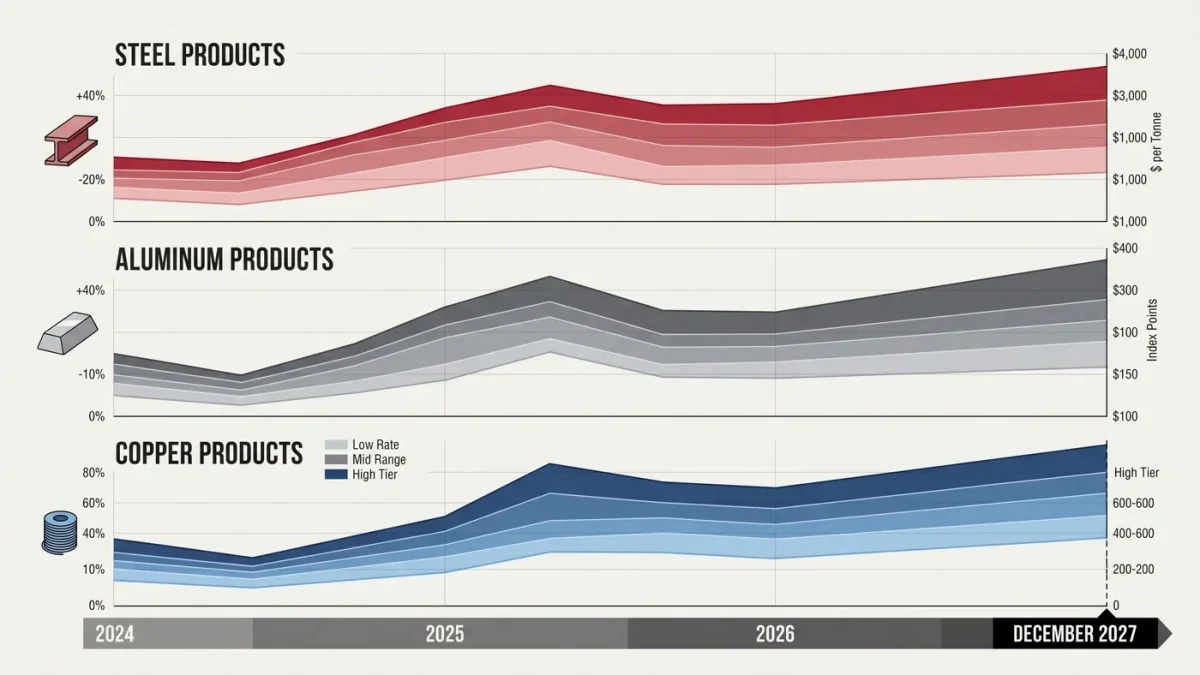
The metals tariff regime is now a ladder, not a wall. A proclamation signed June 1, 2026 and published in the Federal Register — Proclamation 11032, "Further Adjusting the Tariff Regimes for Imports of Aluminum, Steel, and Copper" — expands the number of products subject to lower tariff rates and establishes a temporary framework effective June 8, 2026 through December 31, 2027 for products listed in its Annex I-C. The step follows a broader restructuring signed April 2, 2026 that revised rates, scope, and administration for all three metals effective April 6, per the White House and Federal Register. What it means for manufacturers: product-level rate tables now determine input costs, and the annexes are the document that matters.
What changed in structure?
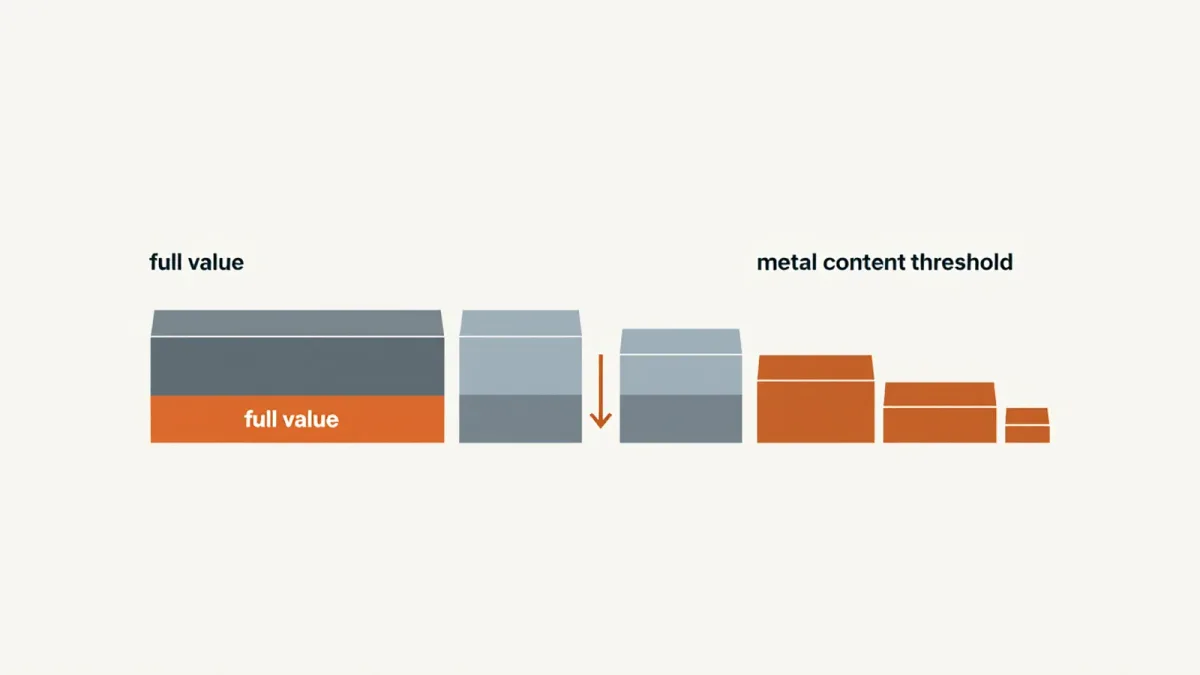
The earlier regime applied headline rates uniformly by metal. The 2026 proclamations move to differentiated rates by product category, with an expanded list of products facing lower rates through 2027 — per the Congressional Research Service's summary of the June 2026 actions, which revise the April 2026 framework rather than replace it. Copper remains under the tariff regime it entered earlier in the year, which matters for wiring, grid equipment, and construction buyers. The framework's stated window — through December 31, 2027 — gives importers an explicit horizon instead of open-ended rates, which procurement teams have asked for since 2018.
Who does this help and hurt?
Importers of annex-listed downstream metal products gain: the lower rates apply to an expanded set of products, per the proclamation text. Domestic mills face narrower protection on exactly those categories. Manufacturers that buy semi-finished inputs should compare their HS codes against the annex lists before assuming either direction — the product-level detail is where the money is. Exclusion-request processes continue alongside the new structure, and filings made under prior proclamations do not carry over automatically.
What comes next?
Watch three things. First, trading-partner responses, since differentiated rates invite negotiation over which products climb the ladder. Second, the Federal Register rule implementing administration, which sets how customs values the new categories. Third, usage data: Customs and Border Protection collection figures through the summer will show whether lower-rate categories pull import volumes back up. The 2027 end-date also lands the next decision in a presidential election transition — a design feature or a bug, depending on your procurement timeline.