Factory jobs have long carried a promise. A worker without a college degree could earn a solid living, buy a house, and raise a family. That promise was real, and it rested on economics, not luck. Understanding why manufacturing pays what it pays explains a lot about the wider economy.
Three forces set the number on a paycheck. They are productivity, bargaining power, and the cost of replacing a trained worker. Here is how each one works.
The Historical Premium
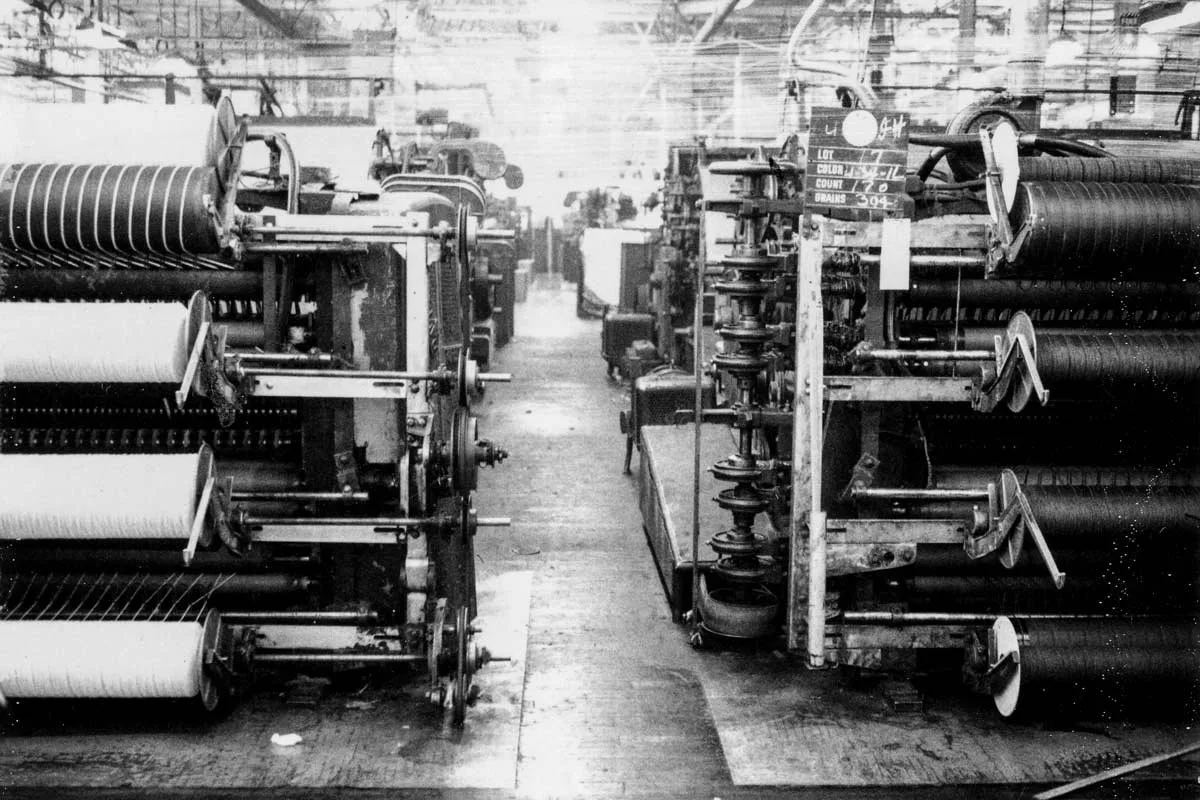
Manufacturing built the modern middle class in many countries. The Economist reported in January 2017, in an account carried by Wikipedia, that factory work historically created good paying jobs for workers without a college education. Unions were strong. Owners did not want to risk strikes in plants full of costly machines. So wages stayed high, according to Wikipedia's history of United States manufacturing.
Ford Motor Company made the logic famous. Its moving assembly line launched in 1913. Once workers reached three years of service, it let the firm raise pay from $1.50 per day to $5.00 per day, according to Wikipedia's account of the assembly line. Higher pay cut turnover. Lower turnover kept the line running.
The link between capital and pay runs both ways. Plants full of costly machines need steady, skilled crews. A walkout costs the owner far more than wages saved. That gave workers real leverage for decades, and the pay records of the era show it. For related coverage, see Reshoring a plant costs more than the sticker.
Productivity Pays the Wages
Wages track output per worker over time. A plant that makes more value per hour can pay more for that hour. American manufacturing shows the pattern clearly. Output rose by about 80 percent from the 1980s even as jobs fell, according to Wikipedia's history of United States manufacturing. Machines and better methods let fewer workers make more goods. We covered a connected angle in How to read manufacturing jobs data.
The same force explains the hard years. Output moved to low wage countries. Machines took over routine tasks. The premium shrank for routine work. It stayed strong for people who run and fix complex equipment.
Training plays a role too. Skills grow on the job in this sector. A worker who masters one station becomes worth more to the plant. Employers often share the gains, because a trained crew is hard to rebuild from zero.
What the Sector Looks Like Now
Manufacturing still matters at scale. In 2023 it made up about 10.7 percent of total American output, according to data carried by Wikipedia's overview of manufacturing. It employed about 8.41 percent of the workforce. China led the world that year with 28.7 percent of global factory output. The United States, Germany, Japan, and India followed.
Employment itself has shifted. Factory employment in the United States fell from 17.2 million people in December 2000 to 12.4 million in March 2017, according to Wikipedia's history of United States manufacturing. Yet the sector remains large. The Bureau of Labor Statistics reported that more than 12.8 million people worked in manufacturing in 2024. It projects little change through 2034. Battery plants are the bright spot, set to add about 48,400 jobs.
Who Earns the Top Pay Today
The pattern inside the sector is steady. Pay rises with skill, tenure, and bargaining power. Workers who program machines or maintain automated lines are hard to replace. So they command the best wages. So do workers who hold quality credentials. Regions with strong training pipelines and strong unions also tend to hold higher average pay.
Conclusion
Manufacturing pay is not an accident. It reflects the value each worker creates, how hard that worker is to replace, and the power on each side of the table. When productivity rises and skilled labor is scarce, factory wages climb. When those forces weaken, the premium fades. Watch those two forces and you can predict where pay goes next.