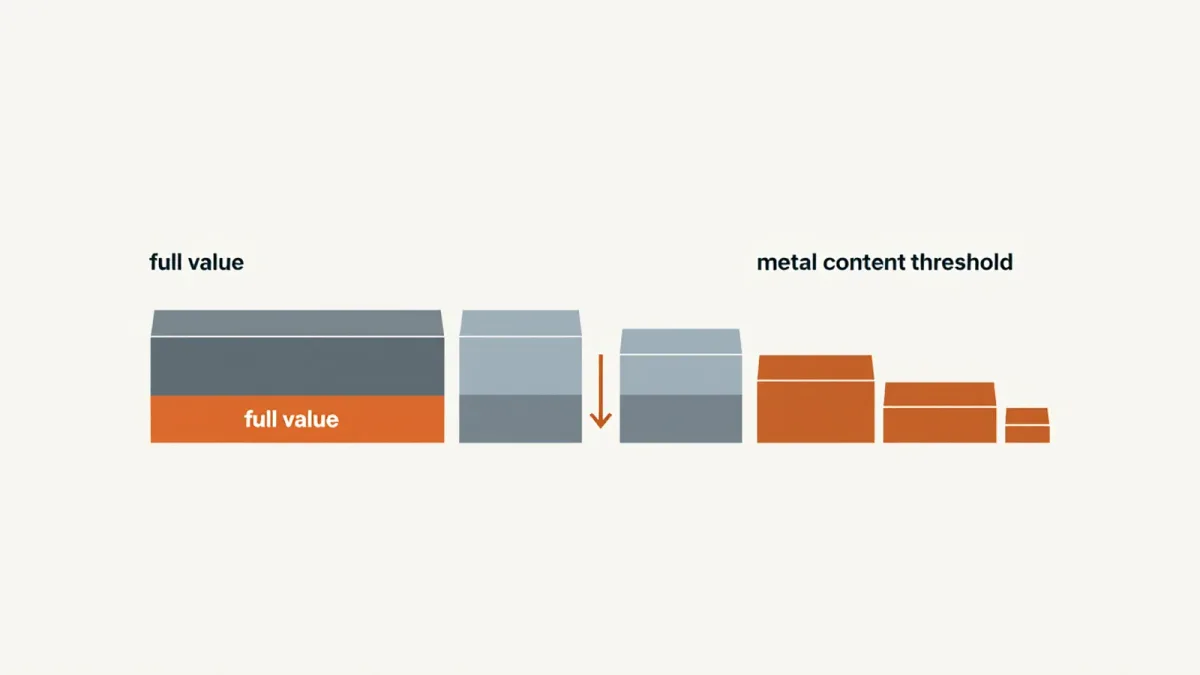
Metals tariffs came down a notch for a slice of the product range. On July 20, 2026, the White House announced a proclamation adjusting tariffs on steel, aluminum, and copper imports, lowering certain metals tariffs from 25% to 15%, per the administration's fact sheet. The cut continues the direction set in April and June 2026: away from uniform headline rates and toward differentiated, negotiated product lists. For buyers, the immediate question is narrower — which products, from which origins, and for how long.
What the adjustment does
The proclamation selectively reduces rates on covered categories while leaving the broader Section 232 framework intact, building on the June 8, 2026 structure that runs through December 31, 2027 under Proclamation 11032. That means importers should read this as a rate-table update inside an existing regime rather than a reversal: products outside the adjusted categories keep prior rates, and the copper regime it entered in the spring continues alongside. The Federal Register publication accompanying the proclamation is the controlling document for which tariff lines moved.
Why it matters downstream
A ten-point rate cut is material on high-volume inputs. Appliances, electrical equipment, construction products, and machinery makers — the metal-consuming majority of manufacturing — have absorbed elevated domestic prices since the 2025 increases, and relief on specific inputs flows to landed cost with a lag of one import cycle. Domestic producers lose part of the price umbrella on the affected categories, which is where mill utilization and order books will show the effect first. Watch also for customs valuation questions: partial-rate categories mixed with full-rate ones in the same shipment need line-level classification care.
What to watch next
Import volumes in the reduced-rate categories over the next quarter, per Customs and Border Protection data; mill operating-rate responses in domestic production statistics; and any trading-partner negotiations that follow from the lower-rate carve-outs. The 2027 framework deadline remains the clock over all of it — every rate decision now lands inside a window that expires with the year.