Manufacturing means turning raw materials into finished goods using machines, tools, labor, and processing. Steel ore becomes a car door. Silicon becomes a chip. Cotton becomes a shirt. If something physical gets made at scale, that is manufacturing.
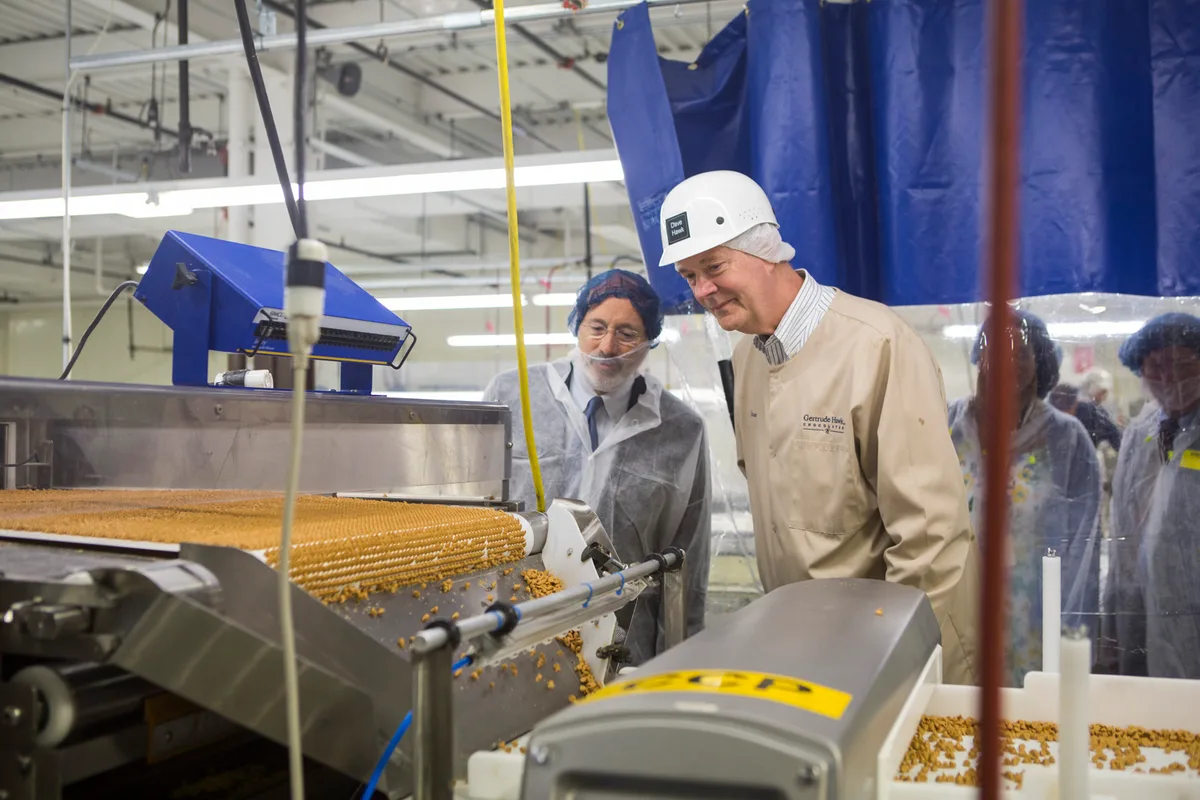
The word confuses job seekers because it covers far more than assembly lines. According to Britannica, manufacturing is any industry that makes products from raw materials by manual labor or machinery, carried out systematically with a division of labor. That definition includes chemicals, computers, refined petroleum, pharmaceuticals, and food processing, not just factories with robots and welding sparks.
This explainer traces how raw materials become finished goods, where the sector's boundaries sit, and why the label matters when you are reading a job posting or a plant announcement.
What does the word actually cover?
The core idea is transformation. Raw materials from the primary sector, such as mining, farming, or forestry, get converted into finished goods on a large scale. Per Wikipedia's overview of manufacturing, the term spans a range of human activity from handicraft to high tech, but it is most commonly applied to industrial production where raw materials become finished products.
Those finished goods go two ways. Some sell to other manufacturers, who use them to build more complex products like aircraft, appliances, or automobiles. Others move to end users through wholesalers and retailers. A supplier stamping door hinges is manufacturing. So is the automaker installing them.
The word itself carries a fossil of its own history. It comes from the Latin manu, meaning hand, and the Middle French facture, meaning making. Its earliest recorded English use, in the mid-16th century, referred to products made by hand. Machines came later. The definition widened with them.
How do raw materials become finished goods?
The process starts before anything is made. Manufacturing engineering designs the steps that transform inputs into a final product, and it begins with product design and materials specification. Only then do the materials get modified into the desired product. Think of it as a recipe written before the kitchen opens.
From there, the pipeline usually runs through recognizable stages:
- Design and specification. Engineers decide what the product is and which materials it needs.
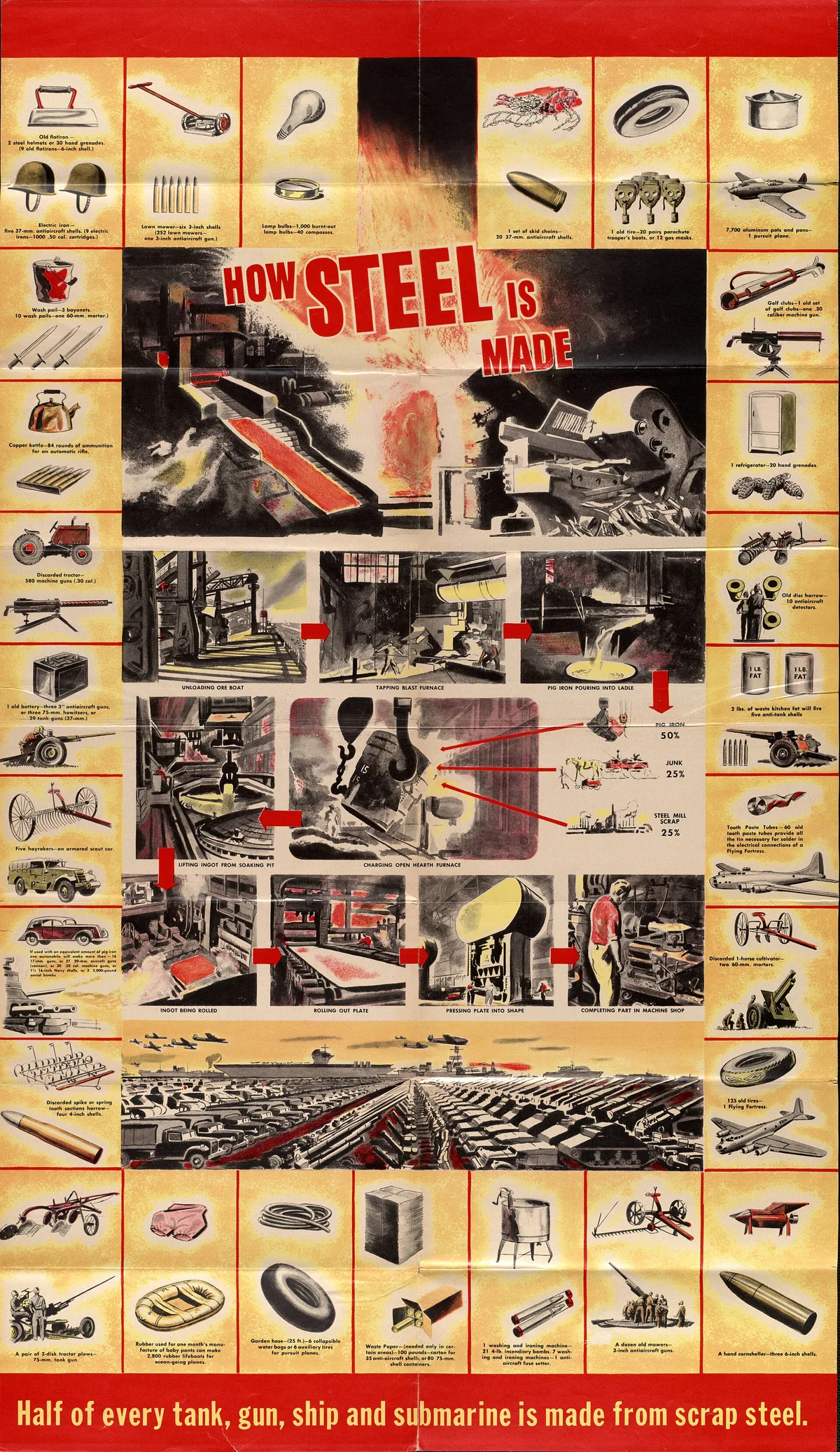
- Primary processing. Raw inputs become basic materials. Ore becomes steel. Crude oil becomes refined petroleum. Wood becomes lumber.
- Fabrication and forming. Basic materials get cut, molded, cast, or stamped into components.
- Assembly. Components integrate into a finished product, often across many suppliers.
- Distribution. Goods move through wholesalers and retailers to end users, or straight to other manufacturers as inputs.
Contemporary manufacturing includes all the intermediate stages of producing and integrating a product's components, not just the final assembly step. A single car can carry parts from hundreds of suppliers. Every one of those suppliers manufactures.
Why does the word confuse job seekers?
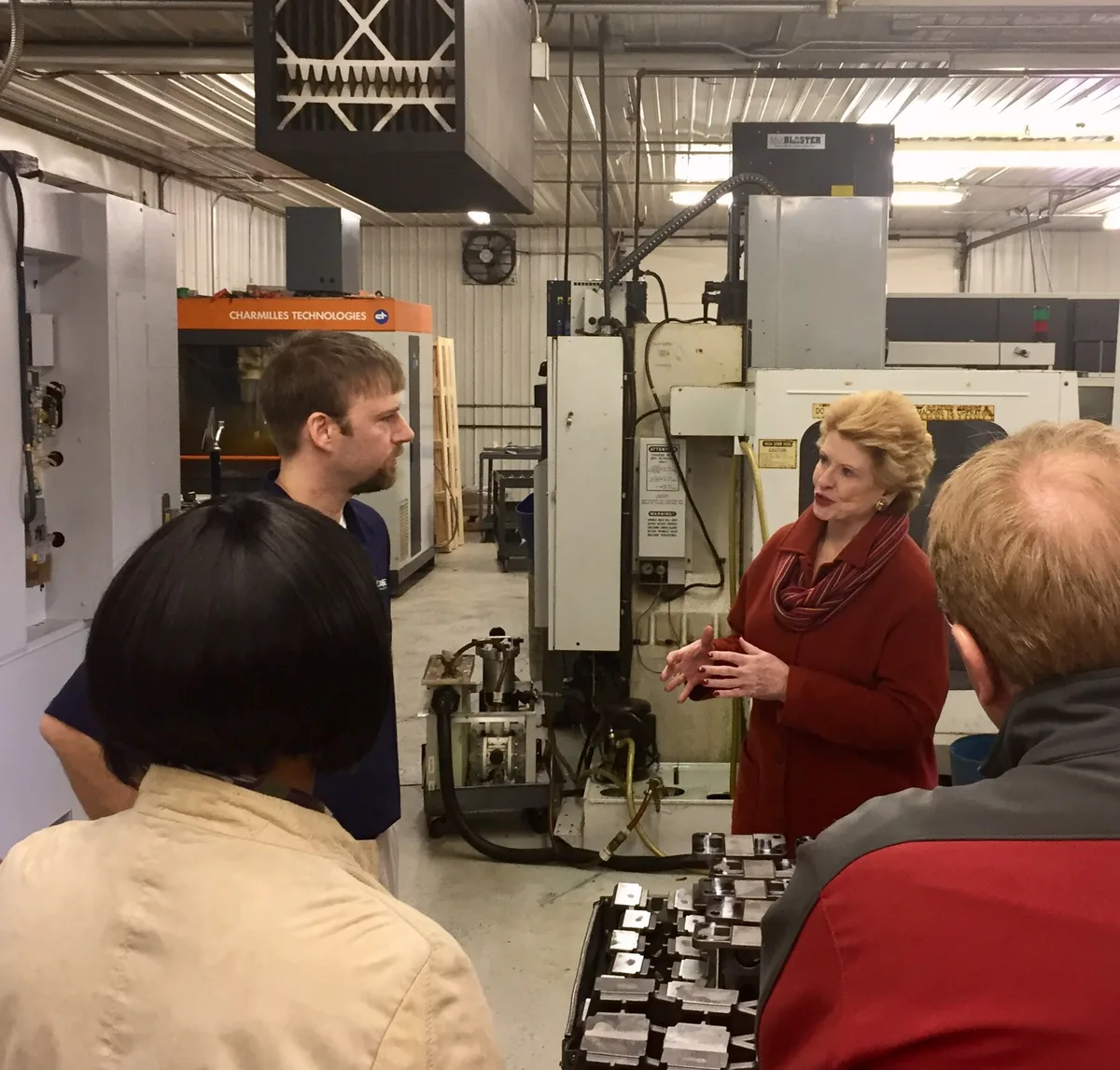
People hear "manufacturing" and picture one job: standing at a line, doing the same motion all day. The sector's actual range is much wider. Britannica counts aircraft, automobiles, chemicals, clothing, computers, consumer electronics, electrical equipment, furniture, heavy machinery, refined petroleum products, ships, steel, and tools and dies among its most important manufacturing industries. Those industries employ designers, machinists, quality inspectors, logistics coordinators, maintenance technicians, and process engineers.
The confusion runs in the other direction too. Some job seekers rule themselves out because they never worked "in a factory," when their skills map directly onto the sector. A welder, a forklift operator, and an industrial electrician are all manufacturing workers. So, in many plants, is the person who schedules shipments.
There is also a vocabulary split inside the industry itself. Semiconductor and steel producers often use the term fabrication instead of manufacturing. A job posting that says "fabrication" may be describing the same work under a different name. If you are hunting, it pays to search both words. Our guide to manufacturing jobs near you covers where to start.
Where does manufacturing sit in the economy?
Economists sort activity into sectors. The primary sector extracts raw materials. The secondary sector transforms them. The tertiary sector sells services and distributes goods. Manufacturing is, in the standard framing, the essence of the secondary sector. It sits between the mine and the store shelf.
That middle position is why the sector shows up in policy fights. Tariffs on steel, chips, and other inputs change what manufacturers pay for materials. Rules about federal contracts decide who can bid. When a plant opens or closes, the effects ripple through suppliers, local payrolls, and freight routes. We cover those mechanics elsewhere: how a plant closure sets off a slow shockwave, and how a trade case moves from petition to duty.
Reading the jobs data also requires knowing what the sector includes. Our explainer on how to read manufacturing jobs data walks through the categories statisticians count.
How old is manufacturing, really?
Older than our species. Per Wikipedia's history section, human ancestors manufactured objects using stone and other tools long before Homo sapiens emerged roughly 200,000 years ago. The earliest stone tool methods date back at least 2.3 million years. A maker striking a flint core with a hammerstone was performing the same basic act as a modern machinist: shaping raw material into a useful tool.
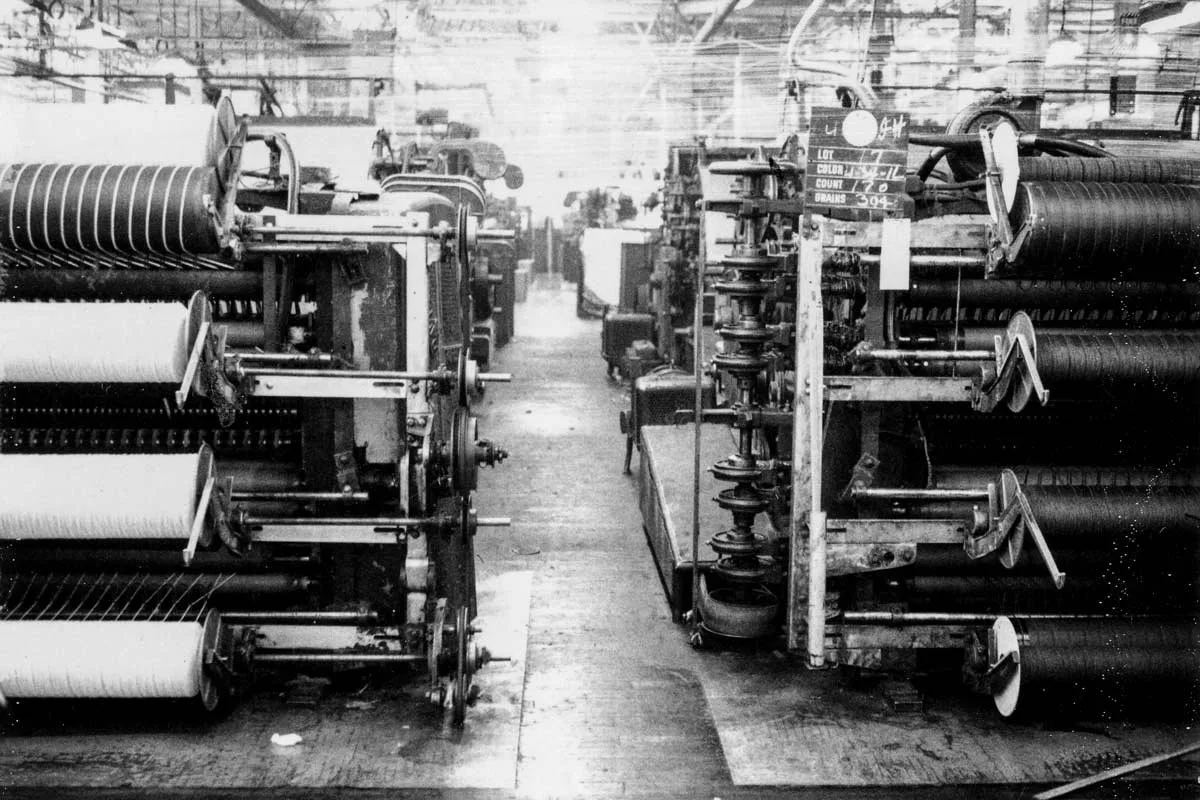
The scale changed long before the technology did. Ancient Egyptians mass-produced papyrus paper and pottery and exported them across the Mediterranean. Bronze Age smiths cast tools in molds, and Iron Age furnaces pushed temperatures high enough to work iron. The division of labor that Britannica flags as a defining feature, many hands each doing one step, has ancient roots.
The industrial revolutions added power, then automation, then computation. But the definition never changed: take material, apply energy and skill, produce something people use.
What this means for readers
Our analysis: treat "manufacturing" as a wide tent, not a single workplace. When you evaluate a job posting, a plant announcement, or a policy claim, ask three questions. What raw material goes in? What finished good comes out? Who performs which step? The answers tell you whether the entity in question actually manufactures, assembles, distributes, or merely rebrands.
That discipline matters because the word gets used loosely in public debate. A company that designs products and outsources production may still describe itself as a manufacturer. A distributor with a warehouse may not manufacture anything. The definition that holds is the plain one: raw materials in, finished goods out, at scale, with a division of labor.
For more on how the sector works in practice, see our manufacturing section, and our coverage of trade and the broader economy.