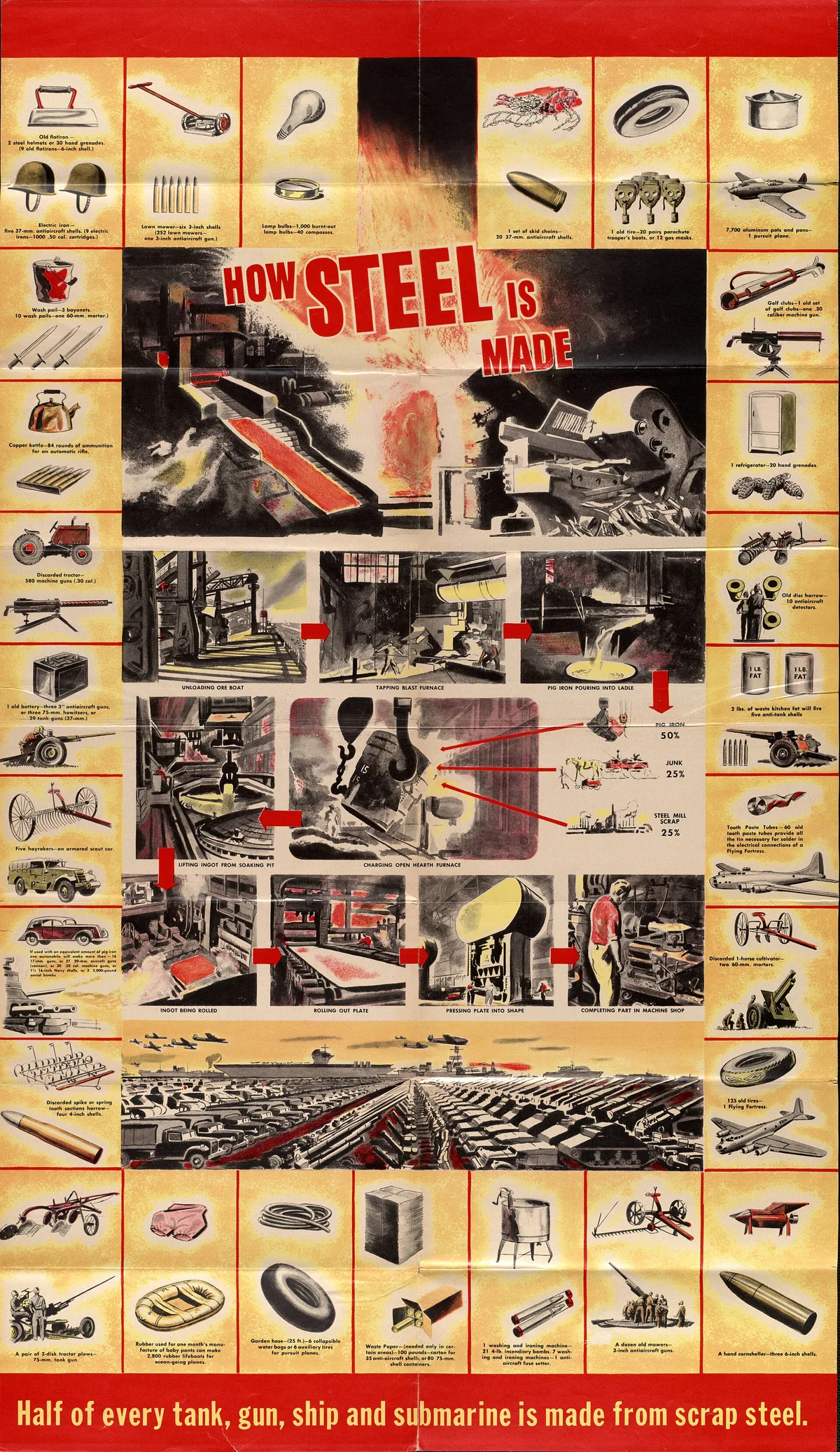
Every product you own, from a coffee mug to a car, was made through a series of planned steps. Manufacturers call that series a process. Learning to read a process helps you understand how things get made, why factories are laid out the way they are, and where problems tend to appear.
This guide walks through a typical process in the order the work happens. It also shows you the signals that tell you whether a process is under control.
Start With the Definition
Manufacturing is the creation or production of goods with the help of equipment, labor, machines, tools, and chemical or biological processing or formulation. In plain terms, raw materials go in one end and finished goods come out the other. The term covers everything from handicraft to high tech, but it is most often applied to large scale production, according to Wikipedia's overview of manufacturing.
One more thing matters before the first machine runs. The process itself has to be designed. Manufacturing engineering is the field that designs and optimizes these steps, and that design work begins with product design and materials specification. The chosen materials are then modified through manufacturing until they become the desired product. Readers following this should also see New metals tariff framework runs through 2027.
Step One: Design and Materials
Every process starts on paper. Engineers decide what the product must do and which materials can do it. The choice of material shapes the whole route. A part that will be cast needs a mold. A part that will be cut needs metal stock and machine time. A part that will be molded needs a tool built to exact sizes. This connects to our earlier piece, Machine tool orders signal factory turns early.
At this stage, planners also set the order of work. Good planning tries to cut wasted motion, shorten wait times, and keep work moving from one station to the next without piling up.
Step Two: Forming the Parts
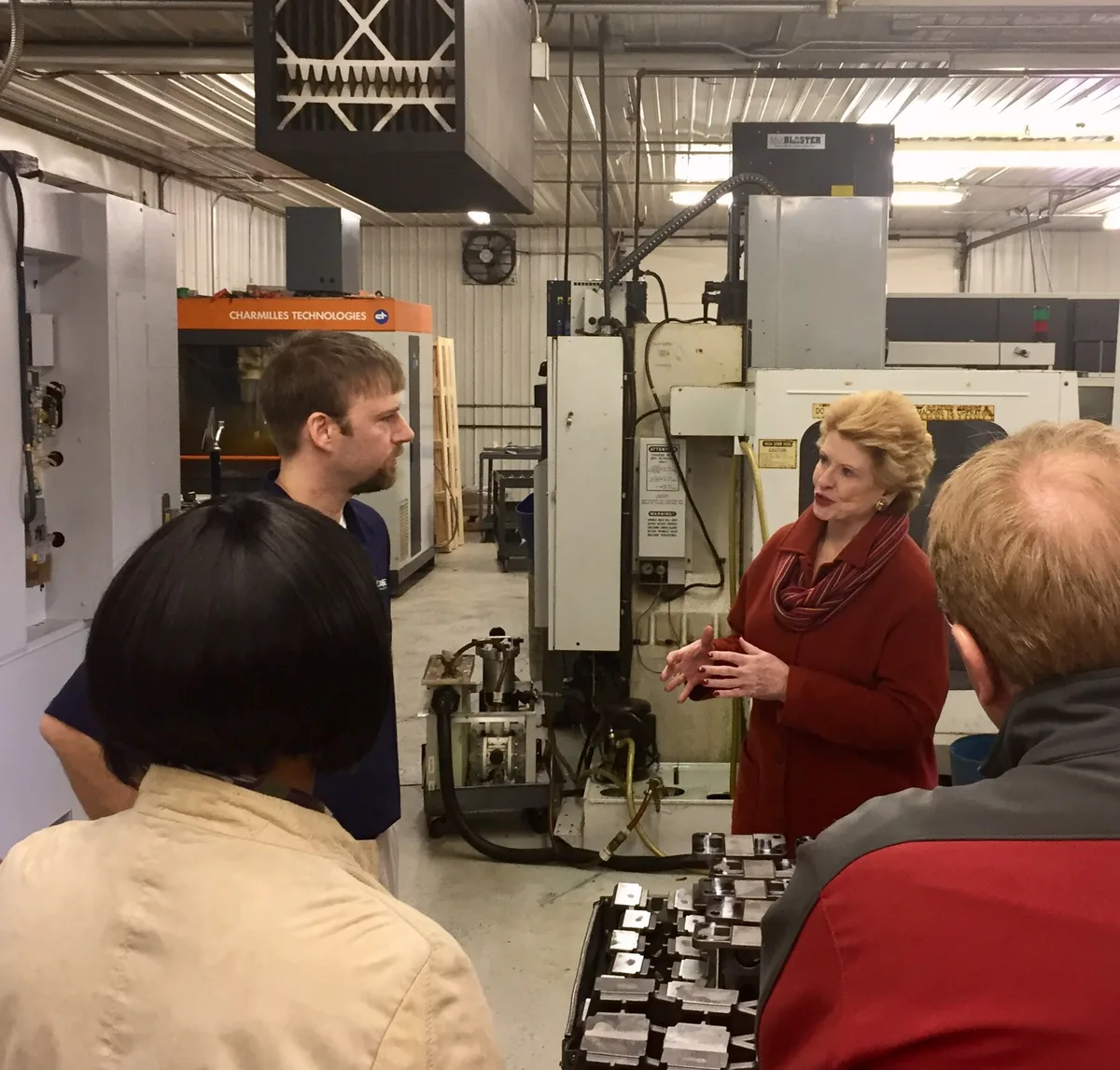
Next comes shaping. Most factories draw on a handful of method families: casting, molding, forming, machining, and joining, with additive methods such as 3D printing growing alongside them. Casting pours liquid material into a mold and lets it harden. Machining cuts material away with sharp tools. Forming bends or presses material into shape. Joining welds, bolts, or glues parts together.
Reading a plant floor gets easier once you can name these families. Look at any machine and ask a simple question. Is it adding material, removing it, bending it, or melting it? The answer tells you what that station contributes to the final product.
Step Three: Assembly and Flow
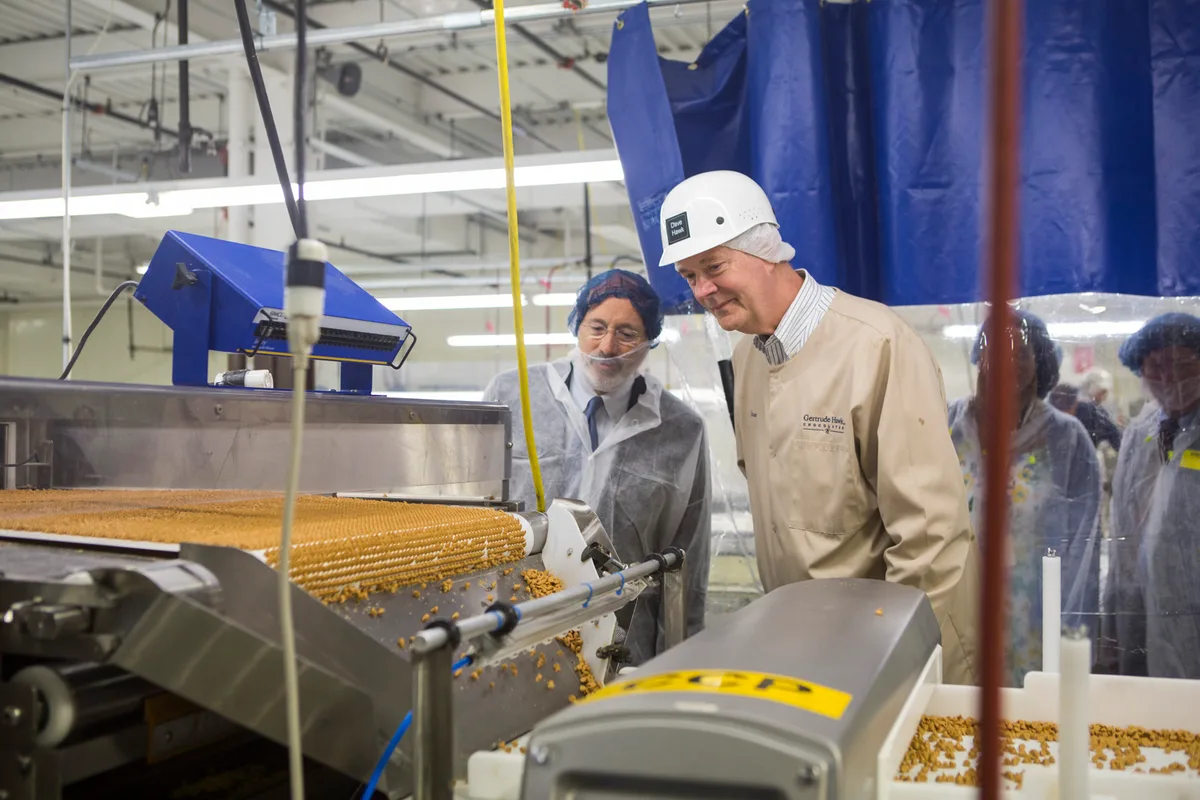
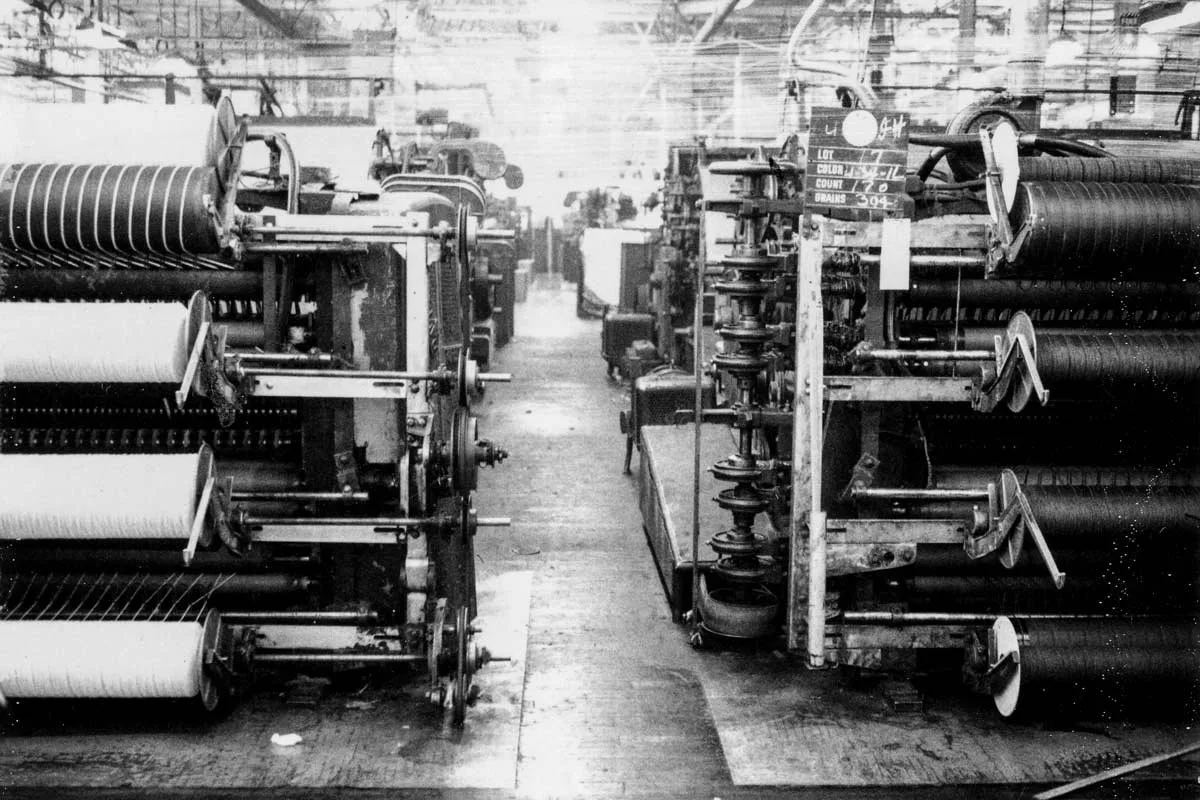
Loose parts become products on the assembly line. An assembly line is a manufacturing process where the unfinished product moves from workstation to workstation, with parts added in sequence until the final product is complete. The idea is old but powerful. Henry Ford's moving assembly line, which began operation in 1913, cut the build time for a Model T to about 93 minutes by dividing the work into 45 steps, according to Wikipedia's history of the assembly line.
Flow is the key word. In a healthy line, each station finishes its task in about the same time. When one station runs slower, work stacks up behind it. That pileup, not the slow machine itself, is usually the first thing to fix.
Step Four: Control and Quality
A process also needs a brain. Manufacturing process management is the collection of technologies and methods used to define how products are to be manufactured, according to Wikipedia's entry on the topic. Its toolkit includes process planning, line balancing, work instructions, and quality methods such as statistical process control.
Plants also choose how to pace production. Push manufacturing builds to a forecast. Pull manufacturing builds to replace what customers actually take. Many modern plants lean toward pull, because it keeps inventory low and exposes problems faster.
These plants matter more than their size suggests. When machine shops win orders, the whole supply chain feels it. New machines raise output everywhere they land, from car plants to bakeries.
Conclusion
Reading a manufacturing process comes down to following the material. Ask where the design came from, how each part is shaped, how parts are joined, and how quality is checked. Ask what happens when something goes wrong. If you can trace a product through those stages and spot where work slows down, you can read any process, on any floor, in any industry.