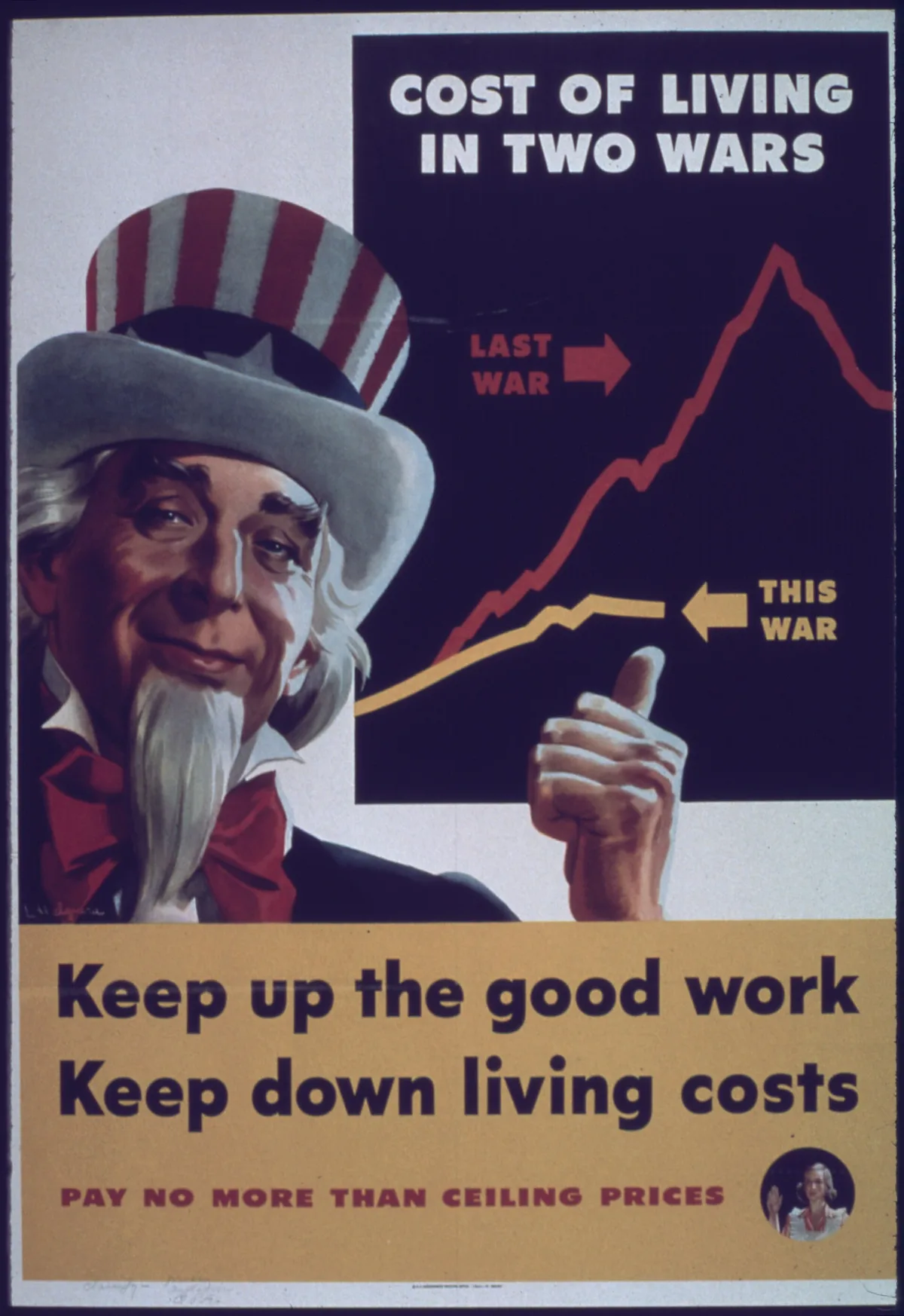
Cost of living explained in one line: it is the gap between what your pay does and what your bills do. When prices for rent, food, and healthcare climb faster than wages, the gap widens and the squeeze starts. No single statistic settles it, because each household runs its own mix of expenses.
The math itself is not complicated. A raise of 4 percent means little if your rent rose 8 percent. What matters is the comparison, not either number alone. Economists call pay adjusted for prices "real wages," and the comparison is where most households feel the economy first.
What does "cost of living" actually measure?
It is the price of the bundle of things a household must buy: housing, food, healthcare, transport, and the rest. When that bundle gets more expensive, the same paycheck buys less. That is the whole mechanism. The bundle differs by household, which is why one family can feel inflation hard while a neighbor barely notices.
The official inflation reports track a national average basket. How to read a CPI report without panicking walks through what that basket includes and what it leaves out. Your own basket is the one that matters. If rent is half your income, housing inflation hits you far harder than the average suggests.
How do wages actually get set?
A wage is the price of labor, and like most prices it moves with supply and demand, bargaining power, and law. Wikipedia's entry on wages traces the concept back to ancient Mesopotamia, where code provisions set pay for shipbuilders by the vessel. The modern version works differently, but the core idea holds: pay reflects what the market, the employer, and the rules will bear.
Rules set a floor. The U.S. Department of Labor enforces the Fair Labor Standards Act, which sets the federal minimum wage at $7.25 per hour and requires overtime pay of at least one and a half times the regular rate after 40 hours in a workweek. Where a state sets a higher minimum, workers are owed the higher of the two. Those floors matter most at the bottom of the pay scale, where cost-of-living pressure bites first.
Why does the squeeze feel uneven?
Because the three big bills move on different clocks. Housing costs adjust slowly but move in one direction for long stretches. Food prices swing month to month with weather, fuel, and supply chains. Healthcare costs rise in steps, often tied to insurance renewals rather than weekly shopping. A paycheck usually adjusts once a year or less.
That timing mismatch is the overlooked operating detail. A worker's rent can reset mid-year while her pay does not. She absorbs the difference immediately and waits months for the raise conversation. Multiply that across millions of households and you get the national mood even when headline inflation is cooling.
Labor costs and consumer prices also feed each other. In the second quarter of 2022, total U.S. labor costs grew 5.2 percent year over year, the fastest pace recorded in that dataset, per the figures compiled in Wikipedia's wage overview. When employers pay more, some of it shows up in prices, and the cycle continues. The direction of causation runs both ways, which is why the squeeze rarely resolves quickly.
Which bill squeezes hardest?
It depends on the household, but housing usually dominates the budget. Rent or a mortgage payment is typically the largest single line item, so a housing price rise moves the whole cost of living more than a similar rise in groceries. Food comes next, and it is the most visible: prices at the store change weekly, so they shape perception even when they are a smaller share of spending.
Healthcare is the least visible and often the least predictable. Premiums and deductibles arrive in set doses, and out-of-pocket costs spike without warning. A household can shop around for groceries. It cannot easily shop around for an emergency room visit or a prescription it needs now.
| Expense | How it moves | How it feels |
|---|---|---|
| Housing | Adjusts slowly, drifts upward | Largest budget share, hardest to avoid |
| Food | Swings month to month | Most visible, shapes perception |
| Healthcare | Steps up at renewal periods | Least predictable, hardest to shop for |
| Wages | Adjust once a year or less | Lags the other three |
What this means for your own math
Practical steps start with writing down your own basket. List your five largest expenses and their recent changes. Compare that list to your last pay change. The gap between the two columns is your personal cost-of-living number, and it is more honest than any national headline.
Then watch the timing. If your rent resets in a specific month, plan for that month the way a business plans for a supplier price change. Our analysis across trade and operations coverage keeps landing on the same point: cash flow timing, not annual totals, is what breaks a budget. The same logic applies to a household.
Also know what the law does and does not guarantee. The Department of Labor notes that the Fair Labor Standards Act does not require severance pay, sick leave, vacations, or holidays. Many of those benefits are a matter of agreement between employer and employee. When evaluating a job offer against rising costs, the base wage is only part of the package.
What the data does not show
National averages hide the distribution. A rising median wage can coexist with flat wages at the bottom, where the minimum wage floor binds hardest. The Department of Labor's $7.25 federal floor has not moved in years by its own figures, while state laws vary widely. So the same national inflation report lands very differently in a high-minimum-wage state than in a low one.
The data also lags. Inflation reports describe the recent past, and wage data describes it too. Neither tells you what next quarter's rent renewal will say. That is why the household-level arithmetic above matters more than any single print.
Where to go from here
The cost-of-living squeeze is not a mystery. It is pay growth measured against the specific prices a household actually faces, on the specific schedule those prices change. Track your own basket, know your wage floor and your rights under wage law, and time your big bills deliberately.
For the broader indicators that frame all of this, the Economy News section covers the regular data releases, and Jobs day rewards the prepared reader explains how wage growth is measured each month. What remains unknown is always the same thing: which prices move next, and how fast pay follows.