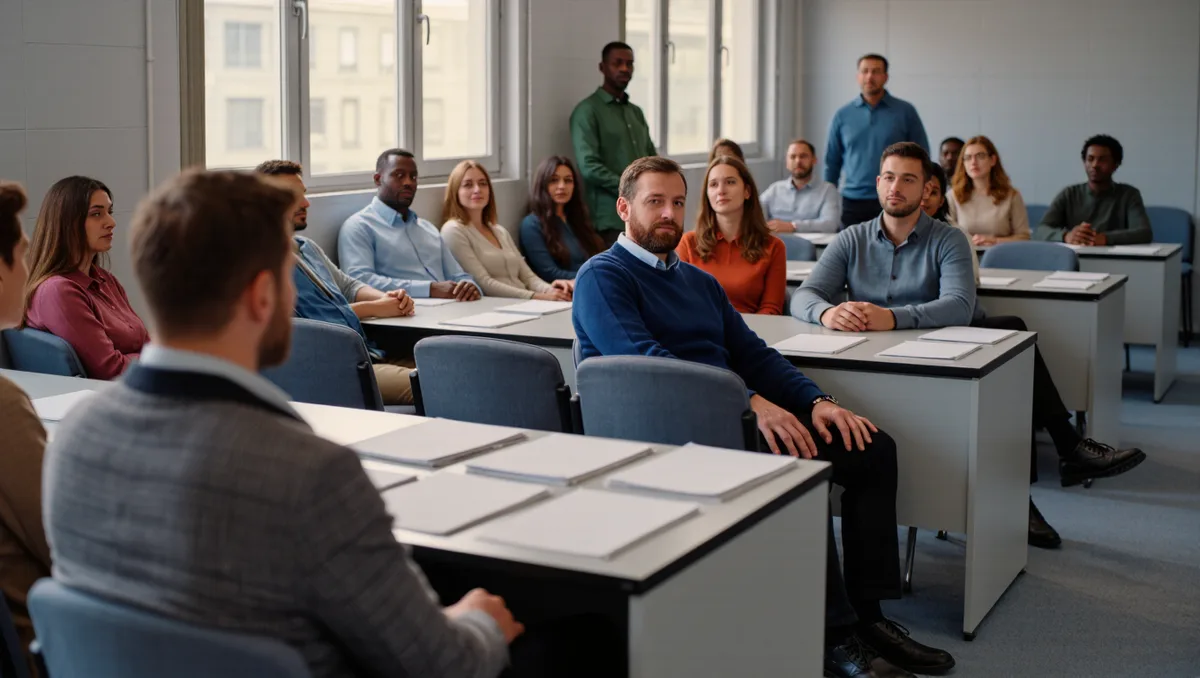
Eight Pennsylvania state legislators spent Friday, Oct. 2, listening to manufacturers describe four problems at once: federal tariffs, high energy costs, state regulations and a shortage of skilled labor. The roundtable, hosted by the Pottsville-based Northeast Pennsylvania Manufacturers and Employers Association at Mountain Valley Golf Course in Ryan Township, offered a detailed account of how the state's trade policy debate looks from a factory floor.
The sharpest testimony came from Hydro Extrusions North America in Cressona, one of Schuylkill County's largest employers. Its general manager, Mike Hammer, said tariffs on steel and aluminum imports from Canada have driven up costs, made expansion harder and forced the company to pass added expenses to its buyers, who then charge their own customers more. The company turns aluminum into parts used across the automotive, transportation, electrical and building and construction industries — and the vast majority of that aluminum comes from Canada. "The situation is ugly and it's getting worse," Hammer said of the trade relationship, per the Republican Herald.
That testimony explains why the event matters beyond Schuylkill County. It shows how a federal trade decision lands on a specific supply chain, and how state legislators — who have no authority over tariffs — get asked to fix the damage anyway.
Why does a state legislature care about federal tariffs?
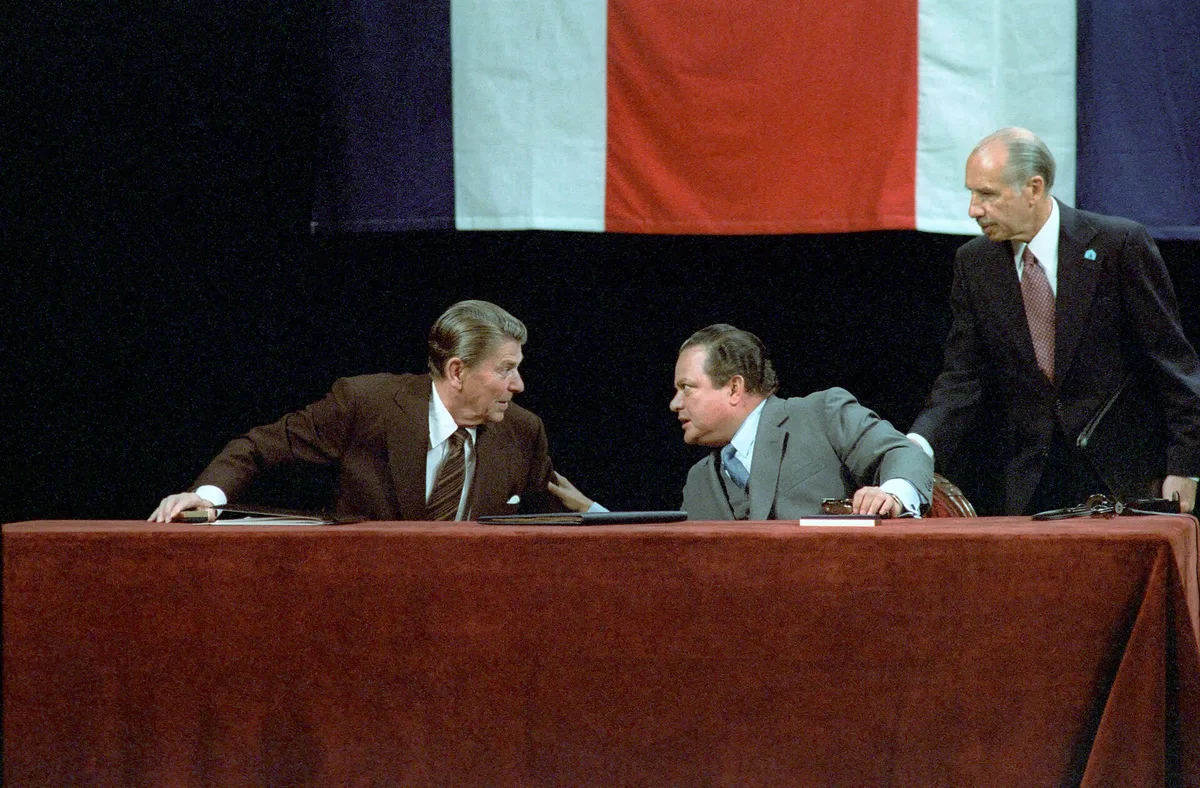
Because the costs arrive locally. Hammer acknowledged the tariffs are a federal issue, not a state matter, but asked the legislators for help with federal lawmakers. State Rep. Eddie Day Pashinski (D-121) responded that the federal and state governments might provide financial aid to affected companies, as they have done for farmers hurt by tariffs. That comparison is the practical takeaway: when a federal trade action raises costs for a concentrated industry, the remedy being discussed is compensation, not repeal — because the state officials in the room cannot change the tariff itself.
Readers who want the mechanics behind that kind of tariff can see How a Section 232 tariff gets imposed, and the broader fight over who controls the levy in Congress can take tariff power back.
What did the legislators say about energy and regulation?
The group agreed that Pennsylvania's rules on energy generation and business permitting are necessary, but said government should make them less cumbersome for projects that would benefit the state. State Rep. Tim Twardzik (R-123) argued that solar and wind will someday supply more of the region's electricity, but that in the meantime the state should make it easier for companies to get natural gas from underground to boost the power grid.
The affordability side of that equation is already visible. State Rep. Joanne Stehr (R-107) said her office is hearing from an increasing number of families who cannot afford their electricity and home heating bills. "It's becoming a scary time," she said. On permitting, Pashinski credited Gov. Josh Shapiro with cutting red tape, but said the state must do more to encourage investment.
Energy costs and permitting sit at the intersection of the state's politics and its industrial base, a tension covered in Industrial policy is now bipartisan default.
How big is the skilled-labor gap?
State Rep. Dane Watro (R-116) put a number on it: Pennsylvania needs 300,000 more skilled laborers than it has. He said unions, businesses, the state Department of Education and colleges must work together to fill that gap. That is a legislator's framing of the shortfall, not an independent audit, but it sets the scale of the workforce problem the roundtable was convened to address.
What does the housing discussion tell us?
Growth itself has become a problem. State Sen. Dave Argall (R-29) said recent population growth in the region reversed a longtime trend but contributed to a shortage of affordable housing. "But I'd rather deal with the problems of growth than the problems of decline anytime," he said. State Rep. Brenda Pugh (R-120) urged home builders and developers to embrace 55-and-older communities, which Florida has many of and Pennsylvania lacks. Existing communities of that type in the region have yearslong waiting lists, she said. "Our population is aging, and they need places to live," Pugh said.
What the roundtable does and does not show
According to the Republican Herald, seven state representatives and one senator participated — six Republicans (Argall, Stehr, Twardzik, Leadbeter, Watro and Pugh) and one Democrat, Pashinski — converging on the same diagnosis: tariffs raise input costs, energy is expensive, permitting is slow and workers are scarce. What it does not show is any concrete state action. The proposals floated — possible financial aid for tariff-affected companies, easier natural gas permitting, coordinated workforce training, more senior housing — remain statements of intent from a single event. Whether any of them becomes legislation, and whether federal aid materializes for manufacturers the way it has for farmers, is the open question the evidence does not answer.
According to the Republican Herald, the legislators on hand in addition to Argall and Pashinski were Reps. Joanne Stehr (R-107), Tim Twardzik (R-123), Robert Leadbeter (R-109), Dane Watro (R-116) and Brenda Pugh (R-120). Other topics on the agenda included workforce development, Pennsylvania's business climate and economic development. The broader stakes for factory districts are set out in Manufacturing districts set the midterms' terms.