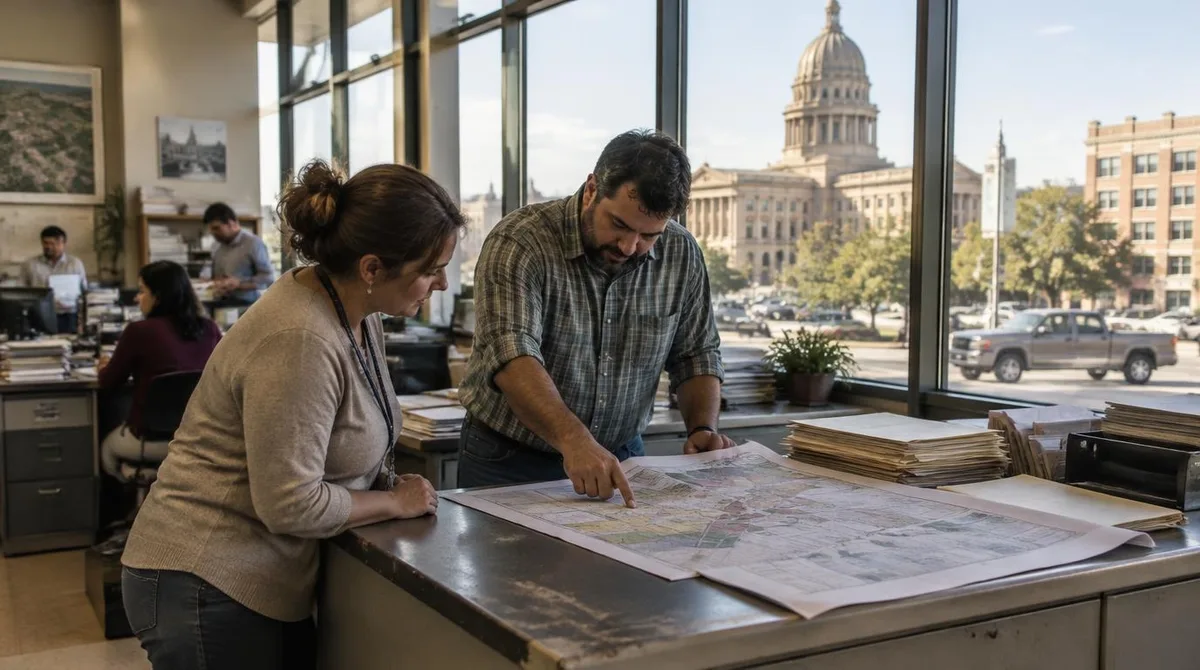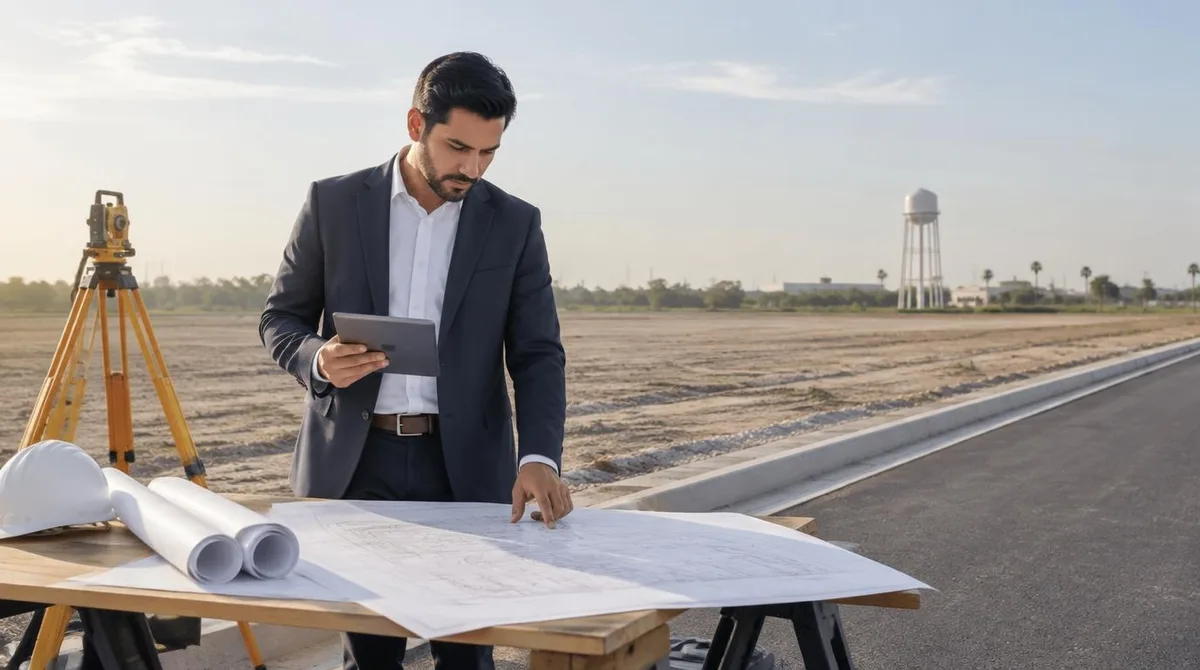
Pharr, Texas, is trying to land a manufacturing investment worth roughly $124 million to $125 million, and the city's economic development agency says money alone will not close the deal. Victor Perez, president and CEO of the Pharr Economic Development Corporation, told a regional roundtable that companies also weigh land, infrastructure, labor supply and incentives before they pick a site.
The message came from the Manufacturing Day Roundtable on October 22, 2026, at the Pharr Global Business Hub. State Representative Sergio Muñoz Jr. joined Perez, and both argued that workforce preparation matters as much as recruitment. Here is what the event explains about how border-city manufacturing recruitment actually works. We covered a connected angle in How antidumping duties actually get set.
What is Pharr EDC and what does it do?
Pharr EDC is the Pharr Economic Development Corporation, an organization led by President and CEO Victor Perez that runs the city's economic development programs. It organized the October 22 roundtable with support from Mayor Ambrosio Hernandez, who also chairs the EDC board, and the Pharr City Council.
Its economic and business development director, Lilvette Santos, led the event's opening and closing remarks. The roundtable carried the title "From Nearshoring to Next-Generation Talent — Preparing the RGV for the New Industrial Economy," and it gathered representatives from government, manufacturing, education and workforce development, per Texas Border Business. Perez credited his staff for running the programs, telling participants, "I have a great team."
Why does the RGV need more than incentives to win factories?
Because investors check a list before they commit. Perez said prospective manufacturers evaluate available property, infrastructure, labor supply and government incentives when comparing locations. Financial incentives are one item on that list, not the whole decision.
Muñoz added his own list of gaps. He identified water availability, transportation and roads as infrastructure challenges that need attention alongside workforce preparation, according to Texas Border Business. For a newcomer, the takeaway is simple: a factory needs somewhere to build, water to operate, roads to ship from, and people trained to work there. Incentives only help when the rest exists.
What is the workforce argument, exactly?
State support for skills training is the core ask. "We do need to put more resources into skills development," Muñoz said at the roundtable. He argued that schools and colleges already have students and training capability but need additional state funding to expand programs that match what industry needs.
He also pushed for earlier exposure to technical careers. Students, in his view, should learn about technical career paths early in their education rather than treating a four-year degree as the only option. Workplace visits and exposure to industrial operations, he said, can help employers and educators show students what jobs exist.
Timing matters on the employer side too. Ron Garza, senior associate vice president for Workforce and Economic Development at the University of Texas Rio Grande Valley, explained that manufacturers typically have about 18 to 24 months between choosing a location and starting substantial hiring. That window gives educators time to adjust training programs — but only if employers share their requirements early. "The magic really happens when we actually see the job description," Garza said.
Who showed up, and why does the attendee list matter?
The roster shows how many groups a manufacturing recruitment effort has to connect. Santos welcomed Muñoz, Mexican Consul Jesús Cano and Scott Buchholtz of the Texas Economic Development Corporation, covering state policy, economic development and cross-border business relationships.
Industry was represented by officials from Emerson Tool Company and Mike Willis, director of the South Texas Manufacturing Association, along with workforce development specialists. Education sent participants from the University of Texas Rio Grande Valley, South Texas College and the Pharr-San Juan-Alamo Independent School District. Linda Ufland, director of UTRGV's Entrepreneurship and Commercialization Center, moderated the discussion.
The format was deliberate. Santos designed it so representatives from different sectors could address shared industrial challenges, and she encouraged panelists to respond to questions aimed at others. Topics ranged across technical education, employee recruitment, automation, manufacturing operations, and the link between industrial investment and workforce availability.
What is nearshoring, and why does it come up here?
Nearshoring is the practice of moving production closer to the buyer's home market — in this region, that means manufacturing in the Rio Grande Valley near the Mexican border rather than overseas. The roundtable's title put it first: "From Nearshoring to Next-Generation Talent."
The event treated it as the backdrop, not the headline. Santos framed the discussion around workforce challenges, emerging technologies and the resources needed to strengthen regional manufacturing. Her closing line captured the argument: "The future of the RGV's industrial economy will depend not only on the businesses we attract, but also on the talent we develop and the partnerships we build."
What happens next in Pharr?
A manufacturing announcement is pending. Perez said Pharr was preparing to announce a prospective investment estimated at approximately $124 million to $125 million. He did not identify the company and gave no confirmed date, so the figure remains an estimate from the EDC itself rather than a completed deal.
Muñoz, for his part, said conversations like the roundtable give state lawmakers information they can use when evaluating education funding, workforce programs and economic development priorities. Perez encouraged prospective businesses to contact Pharr EDC for help with investment opportunities or existing operations.
What the reporting does not show is the outcome. The investment is unnamed and undated, and the state funding Muñoz described is a case being made, not a program approved. The roundtable establishes the region's pitch — land, infrastructure, talent, partnerships — and leaves the results open. Readers tracking industrial recruitment across Texas can follow the broader picture in our manufacturing coverage, and the funding side of the argument sits squarely within politics, where state budget choices get made. Readers following this should also see The plant boom re-priced industrial land.