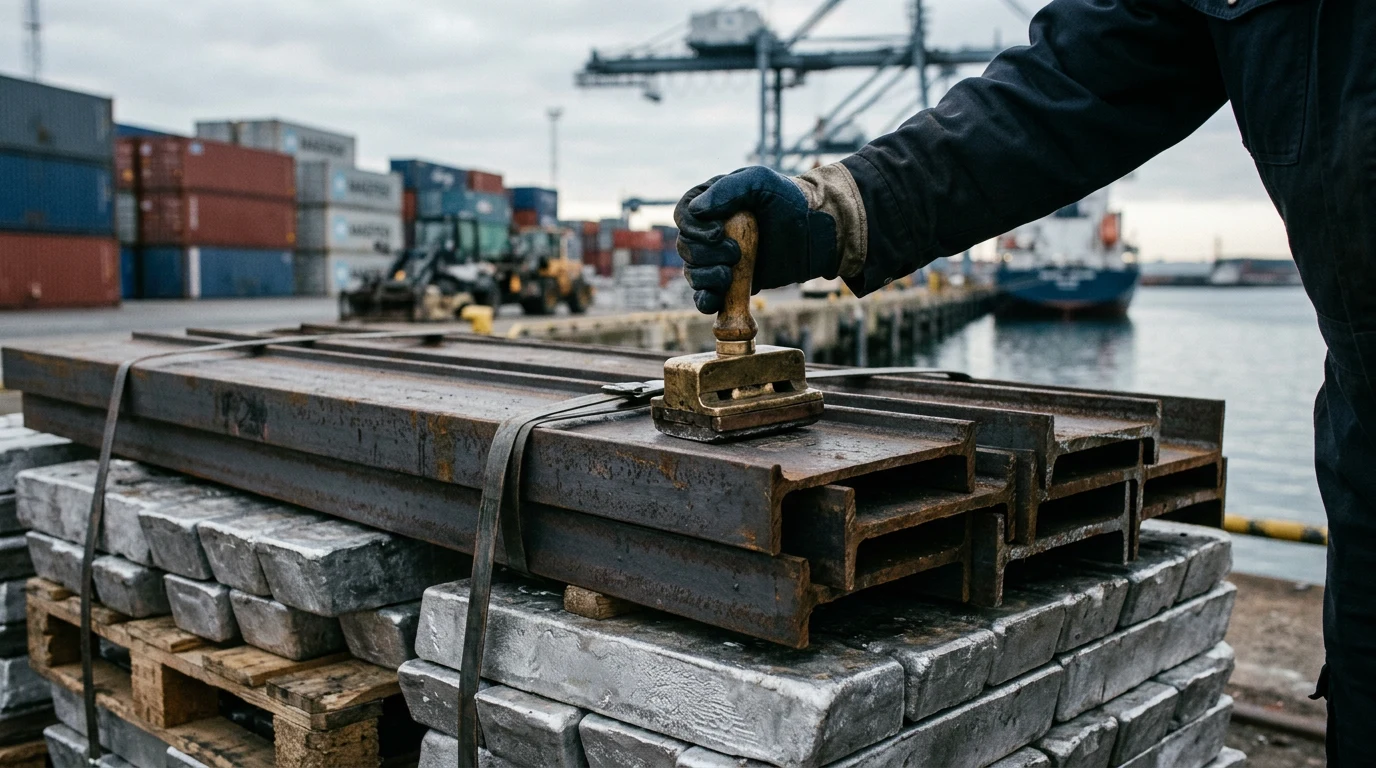
The era of arguing whether the United States should have an industrial policy is over; the argument is now about its settings. Both parties now operate the same toolkit — tariffs on national-security and unfair-trade grounds, subsidies for chips and energy and defense production, domestic-content procurement rules, export controls aimed at rivals — differing in calibration, targets, and rhetoric rather than in kind. The February 2026 Supreme Court ruling that invalidated one tariff authority restructured the machine without shrinking it: the remaining statutes carry the same intentions, and the replacement debate in Congress concerns which instruments, not whether to steer.
What the consensus toolkit contains
Five instruments, all now permanent features. Trade protection: Section 232 and 301 duties, differentiated by product and country — the 2026 framework's ladder structure with its 2027 horizon is the current configuration. Subsidy: investment credits and direct funding for semiconductors, energy, and defense capacity, disbursed against milestones. Procurement preference: Buy America-family rules that convert federal spending into manufacturing demand. Export controls: threshold-based restrictions on strategic technology. And screening: investment-security review of foreign acquisitions in sensitive sectors. Every recent administration has used all five; the partisan difference is which industries get which dose.
Where the parties actually differ
Targets and framing. One side's industrial policy emphasizes reshoring manufacturing employment and trade enforcement, framing protection as the worker's tool; the other emphasizes climate and technology sectors, framing subsidy as the transition's tool — with each party, in office, borrowing the other's instruments when convenient. The divides that survive are about second-order design: conditions attached to subsidies — wage, domestic-content, union preferences — and the distribution of costs, where the tariff's consumer incidence and the subsidy's taxpayer incidence are the same debate in different ledgers. The first-order question — should government steer capital toward domestic production — no longer has a major-party contestant.
What did the court ruling change?
The machine's legal chassis. With IEEPA tariffs invalidated, protection must ride statutes with investigation, comment, and record — slower, more documented, more litigable. The practical consequences: tariffs became product-negotiated rather than globally proclaimed — the 2026 annex-and-ladder structure — and the pace of escalation acquired a procedural brake. The ruling also redistributed influence: Congress's drafting power over replacement statutes, the courts' review role over the remaining authorities, and the agencies' discretion inside narrower lanes. Industrial policy did not shrink; it became more administrative — which favors participants who master the process.
What are the honest critiques?
Three, from different directions, all serious. Fiscal: subsidy programs and refund liabilities interact with a debt trajectory whose interest costs now exceed most program budgets — the industrial state is being built on borrowed foundations. Allocative: government-directed capital misprices by design — the winner-picking record includes successes and expensive doppelgängers, and the same political process that funds the plant defends it past its economics. And reciprocity: every instrument invites imitation — allies and rivals now run their own subsidy-and-control regimes, so the policy competes rather than corrects, with escalation costs paid in trade volumes. None of these critiques has a constituency large enough to reverse the consensus; all of them will shape its administration.
What comes next, concretely?
The near-term calendar is legible. The USMCA revision's ratification will set North American content rules for a decade. The replacement tariff statutes in Congress will fix where the authority lives and what process it carries. The incentive programs face their reauthorization moments against the fiscal arithmetic. And the 2026 midterms select the committees that write all of it. For readers, the durable skill is instrument literacy — reading a proclamation, a credit's eligibility rules, a procurement preference's threshold — because the knobs are where the policy actually lives. The debate about whether to steer is settled. The steering is the politics of the next decade.