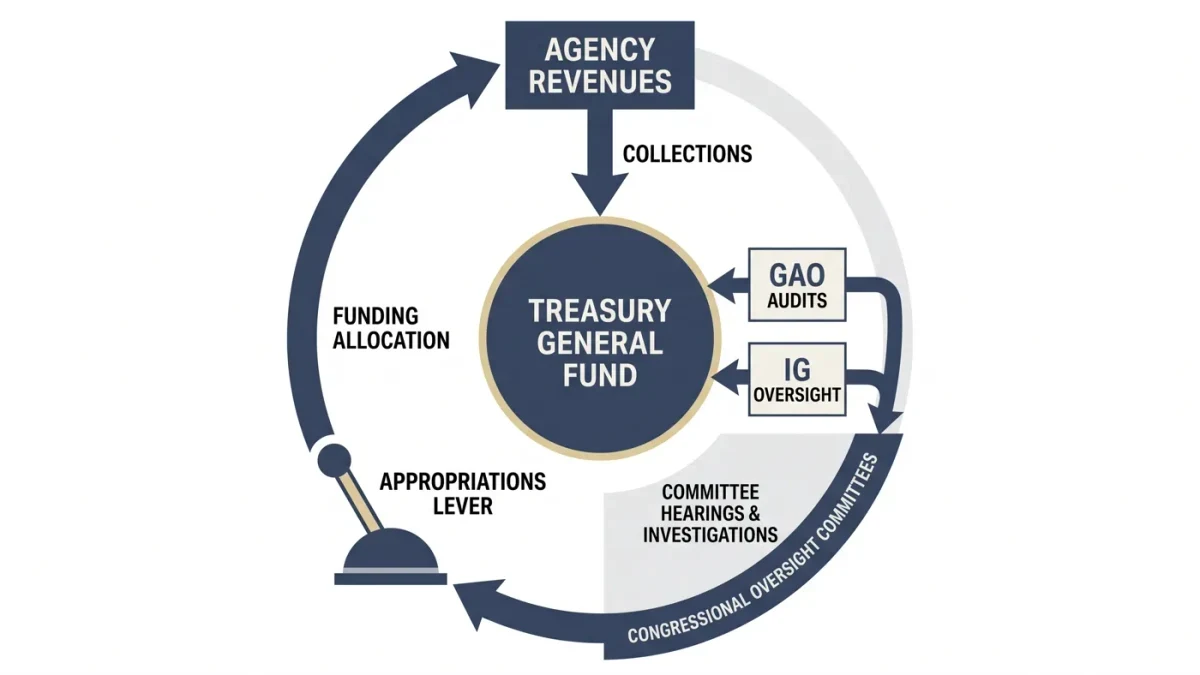
Tariff revenue finally has Congress's full attention, and the machinery that collects it — Customs and Border Protection, the Treasury accounts, the entry and protest process — is now an oversight subject with nine-digit stakes. Congressional oversight of tariff administration runs through committees with subpoena power, inspectors general with audit mandates, and the Government Accountability Office's review authority: three instruments that together decide whether the collection machine is understood by anyone outside it. The February 2026 rescission of the IEEPA tariffs, with up to $175 billion in refund claims pending, converted administration from a backwater into one of the most consequential fiscal questions on the Hill.
Who holds the gavels?
Jurisdiction is layered, by design. Finance and Ways and Means own trade policy and the tariff statutes — they author the laws and hold the hearings on how they are administered. Homeland Security oversees CBP operationally: staffing at ports, entry processing, forced-labor enforcement. Appropriations controls the money — CBP's automation budgets, the staffing that determines whether refund claims process in months or years. And the fiscal committees' revenue jurisdiction means every tariff dollar crosses their accounting: when collections swing by tens of billions, the baseline belongs to them. The Comptroller General's GAO sits beneath all of it with standing audit authority and a mandate that agencies fund with staff time whether they enjoy it or not.
What does oversight actually examine?
The recurring findings write a manual of administrative friction. Revenue integrity: whether duties deposited reconcile to the Treasury's statements — a live question when rates change by proclamation and litigation, because the reconciliation between entries, deposits, and final liquidation is where errors live. Refund mechanics: how quickly protests are adjudicated, how the 180-day windows are administered, and what happens to claims the courts validate but the appropriations have not funded. Exclusion administration: whether product exclusions are processed on the record the proclamations promise, a question GAO has examined across administrations. And staffing: whether the trade-compliance workforce matches the workload the tariff era created — CBP's own hiring numbers against entry volumes are public, and the ratio has not improved with the workload.
What tools does Congress have?
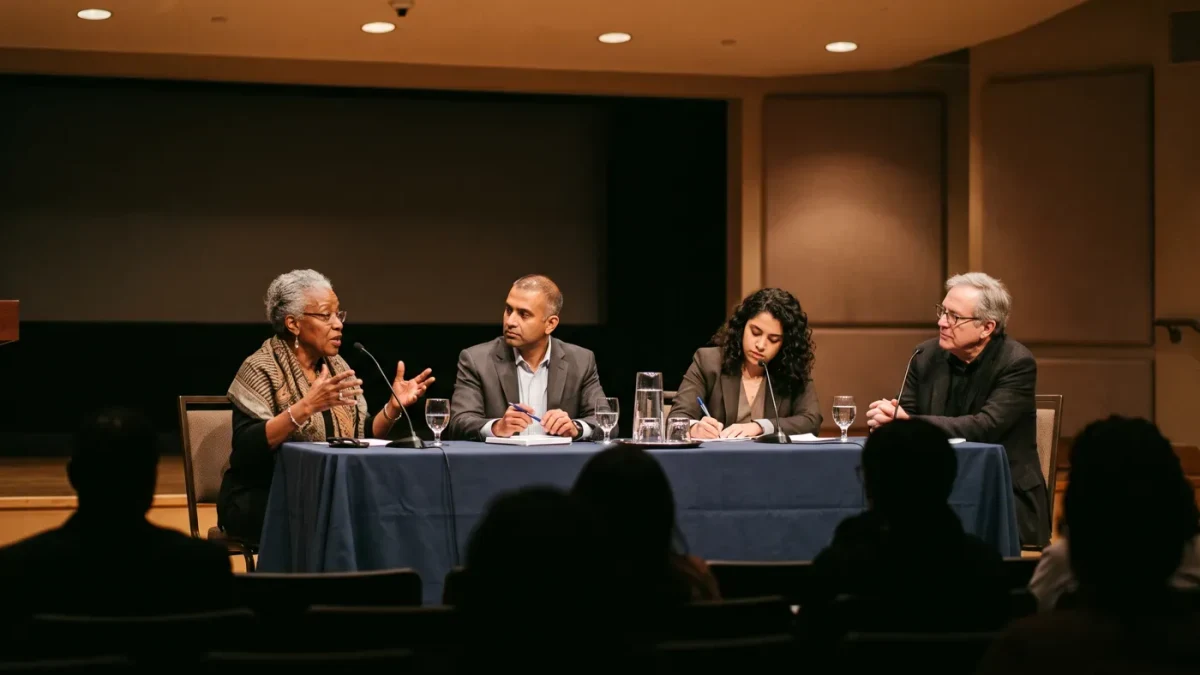
Hearings with compulsory testimony — agency witnesses under oath, documents on request or by subpoena. GAO reports — commissioned by any committee chair, delivered with recommendations agencies must answer in writing. Inspectors general — permanent auditors inside the agencies whose findings Congress can amplify. The power of the purse — budget language can direct action, prohibit uses of funds, or set deadlines with reporting requirements. And legislation itself — when oversight findings harden into statutory fixes: process deadlines for refunds, disclosure requirements for collections, staffing minimums. Oversight's product is usually not drama; it is a paper trail that makes the next appropriations fight harder to lose.
Why the current moment is different
Scale and novelty. Tariff collections reached budget-relevant magnitudes, then partially reversed by court order — an administrative sequence the modern collection system never handled: mass re-liquidation, mass protest adjudication, refund liabilities of a size that interacts with the debt calendar. The questions oversight must answer are genuinely open: Can CBP process the claim volume with current staffing? What is the reconciliation between duties collected under invalidated authority and the Treasury statements that recorded them? Which claims are judicially ripe versus administratively premature? The hearings that answer them will be dry as bone and matter more than most floor votes.
How to follow it
The committee hearing calendars for Finance, Ways and Means, and Homeland Security; the GAO's published reports database, searchable by agency; and CBP's own operational statistics — entry counts, protest inventories, staffing. When a GAO recommendation repeats across reports unaddressed, that is a finding about the agency; when a hearing features the same witness twice in a year, that is a finding about the problem. Oversight is slow, written in acronyms, and the only mechanism that makes the collection machine legible. The readers who follow it will understand the tariff era's fiscal endgame before the headlines do.