When people picture manufacturing, they often picture one giant factory town. The reality is a set of distinct industries. Each has its own materials, machines, and markets. Knowing the core sectors makes business news easier to follow. It also shows where the jobs sit.
This guide breaks manufacturing into its main branches. It explains what each one makes and why it matters. This connects to our earlier piece, Why Manufacturing Jobs Pay What They Pay.
What Counts as Core
Manufacturing is the making of goods with machines, tools, labor, and chemical processing. Raw materials go in. Finished products come out on a large scale. That is the core definition, according to Wikipedia's overview of manufacturing. Within that broad field, a few industries dominate output and trade.
The scale is vast. China produced 28.7 percent of global factory output in 2023, according to United Nations data carried by Wikipedia. The United States, Germany, Japan, and India followed. The sectors below drive most of that volume.
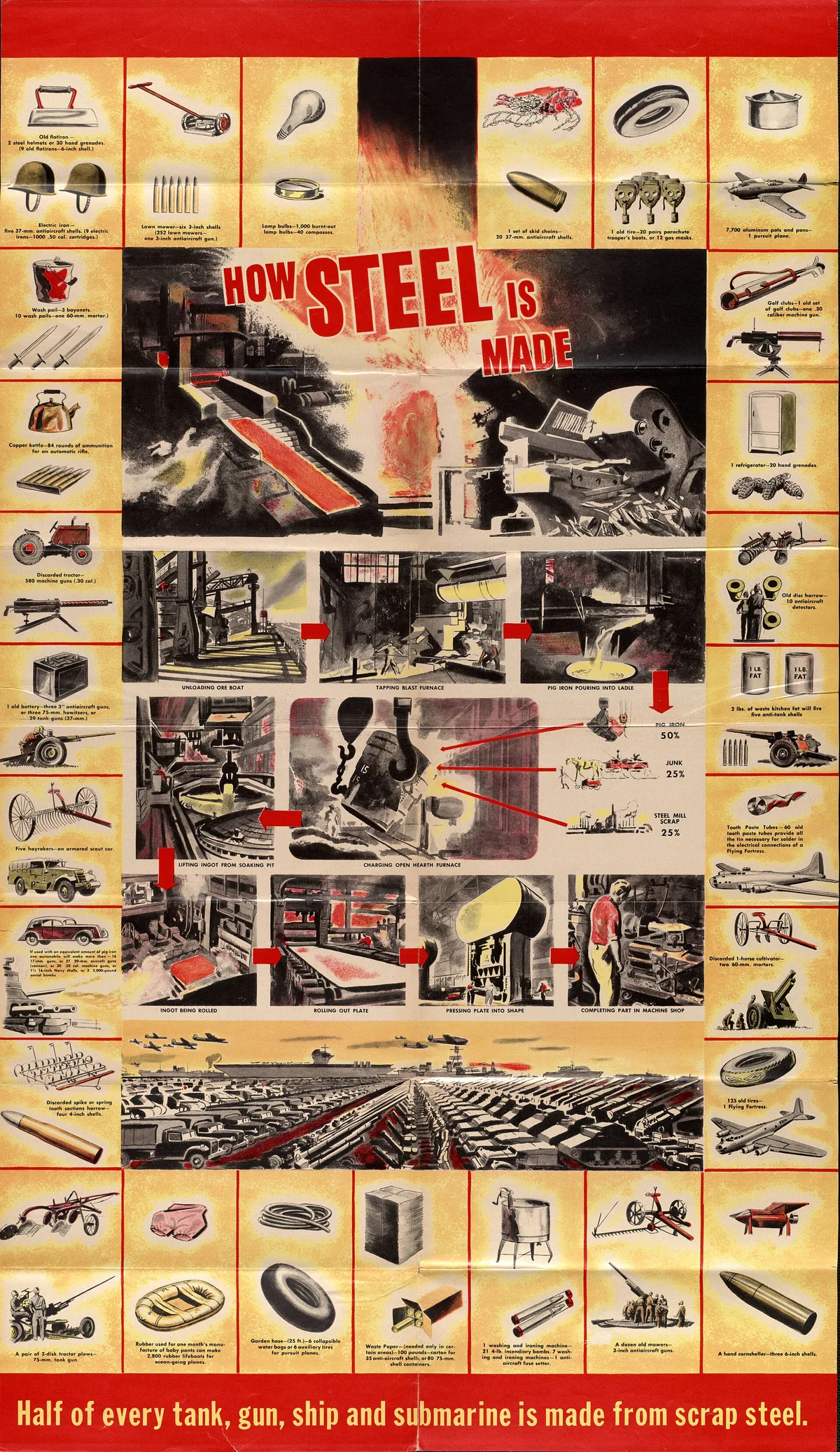
A different split frames the whole field. Heavy industry makes the big goods: steel, machines, and vehicles. Light industry makes smaller goods, such as consumer electronics and clothing. Both count as manufacturing. The mix a country keeps says a lot about its economy.
Transportation Equipment
Cars, trucks, aircraft, and their parts form a giant branch of world production. In 2016, transportation equipment led all American factory exports at $252 billion, according to Wikipedia's summary of United States trade data. The industry runs on deep supply chains. Parts may be made in one country. They may be put together in another. Then the finished goods are sold in a third.
Jobs in this sector range from welding to software. When car makers invest, whole regions feel it.
The scale of these plants is hard to picture. Some cover miles of floor space. Whole towns grew up around them. When people talk about a factory town, they usually mean one built around this sector.
Chemicals
Chemical plants turn oil, gas, minerals, and crops into plastics, fertilizer, medicine, and coatings. American chemical exports totaled $174 billion in 2016, second among factory goods, according to the same trade data. Almost every other industry buys from this one. That makes chemicals a quiet base under the whole sector.
The industry also runs deep on safety. Plants handle risky materials daily, so rules and training run deep too. That makes for steady, well structured careers.
Computers and Electronics
Electronics plants make chips, circuit boards, screens, and finished devices. This branch ranked third among American factory exports at $116 billion in 2016, according to the Wikipedia summary. It is also a growth target. By the end of 2022, the chip industry had pledged almost $200 billion to build and expand 40 plants across 16 American states, according to trade group figures carried by Wikipedia. That build out means demand for workers at every skill level.
Machinery and the Rest
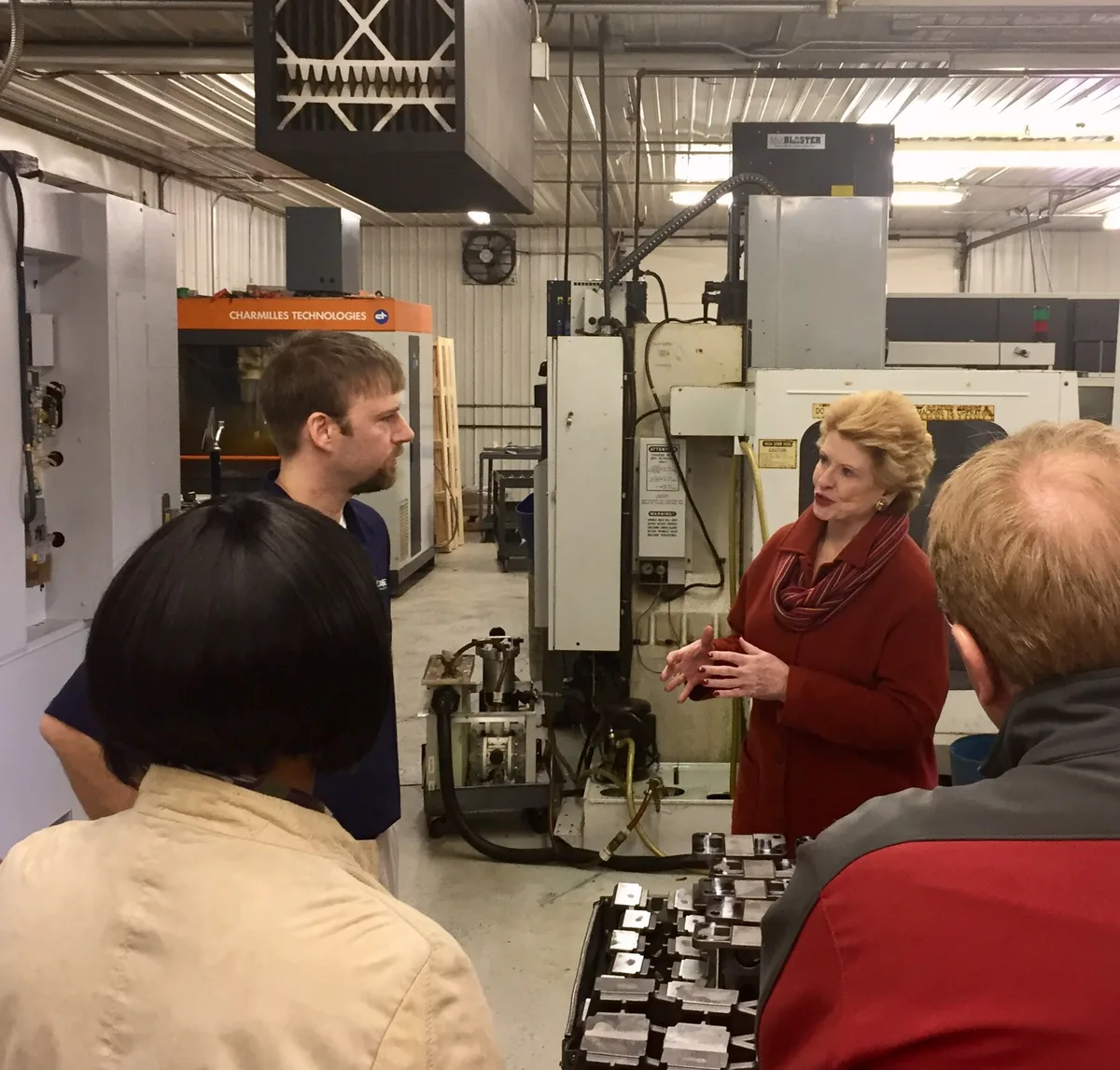
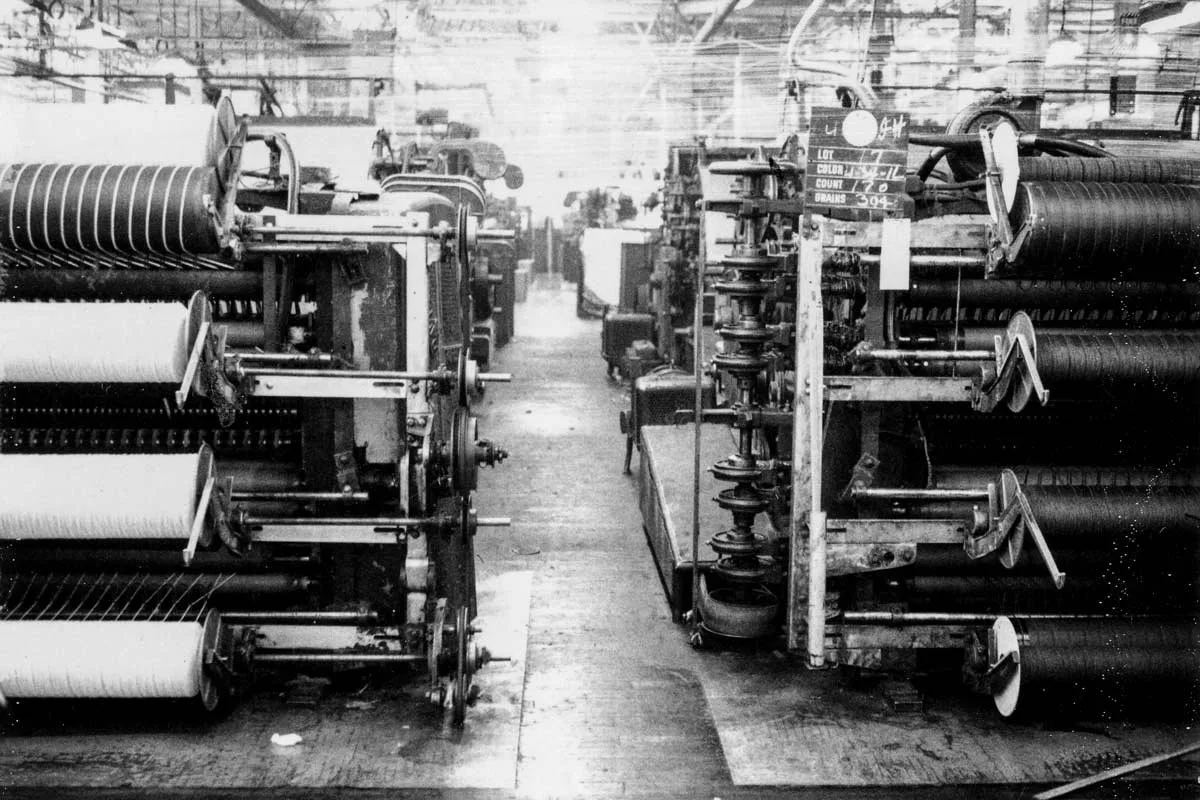
Machinery plants build the tools other factories rely on. The list runs from machine tools to farm and mining gear. American exports of machinery reached $109 billion in 2016, according to the same source. Food plants, metal mills, and textile mills round out the map.
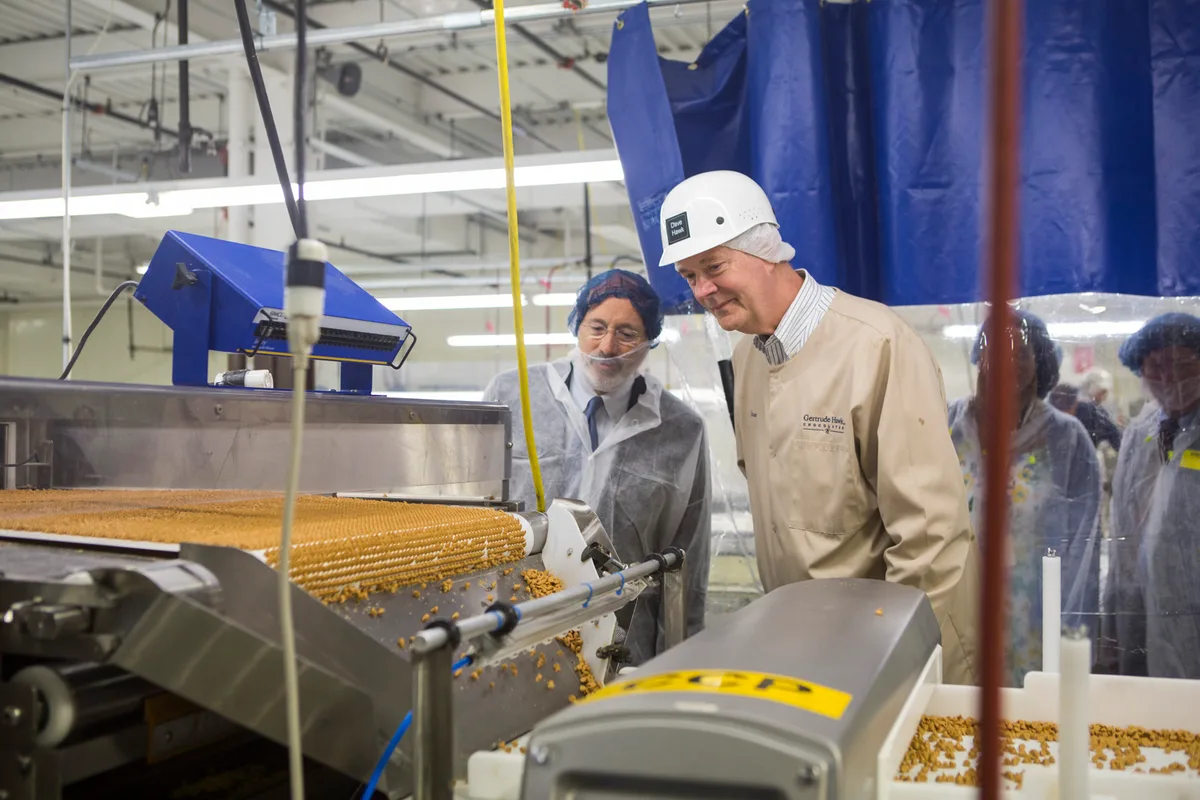
One more split helps you read the news. Durable goods are built to last years, such as cars and machines. Nondurable goods are used up fast, such as food, fuel, and paper. Each type follows its own demand cycle. Together they cover goods people buy every single day, from bread to lawnmowers.
Conclusion
The core manufacturing industries divide the work of making things. Transportation equipment moves the world. Chemicals feed and build every other trade. Electronics supply the brains. Machinery builds the machines. Watch these sectors and you hold a working map of world production. You also gain a fair idea of where investment and jobs will flow next. Readers following this should also see How to read manufacturing jobs data.