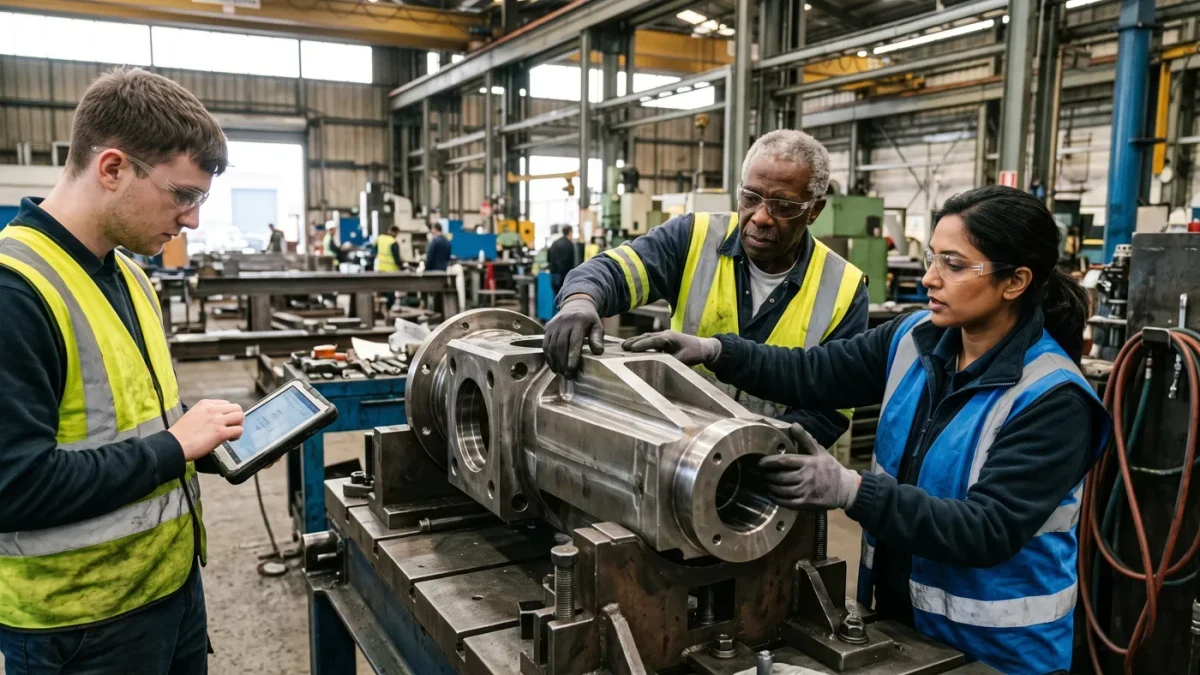
Rearming is a manufacturing problem before it is a budget problem. The Pentagon can appropriate weapons systems on paper in a fiscal year, but producing them depends on sub-tier suppliers, forging capacity, and skilled trades that cannot be legislated into existence. Current defense-budget plans, as outlined in administration budget documents through 2026, push munitions, shipbuilding, and air-defense output up simultaneously — and the constraint analysis that accompanies those plans keeps naming the same chokepoints.
Where are the actual bottlenecks?
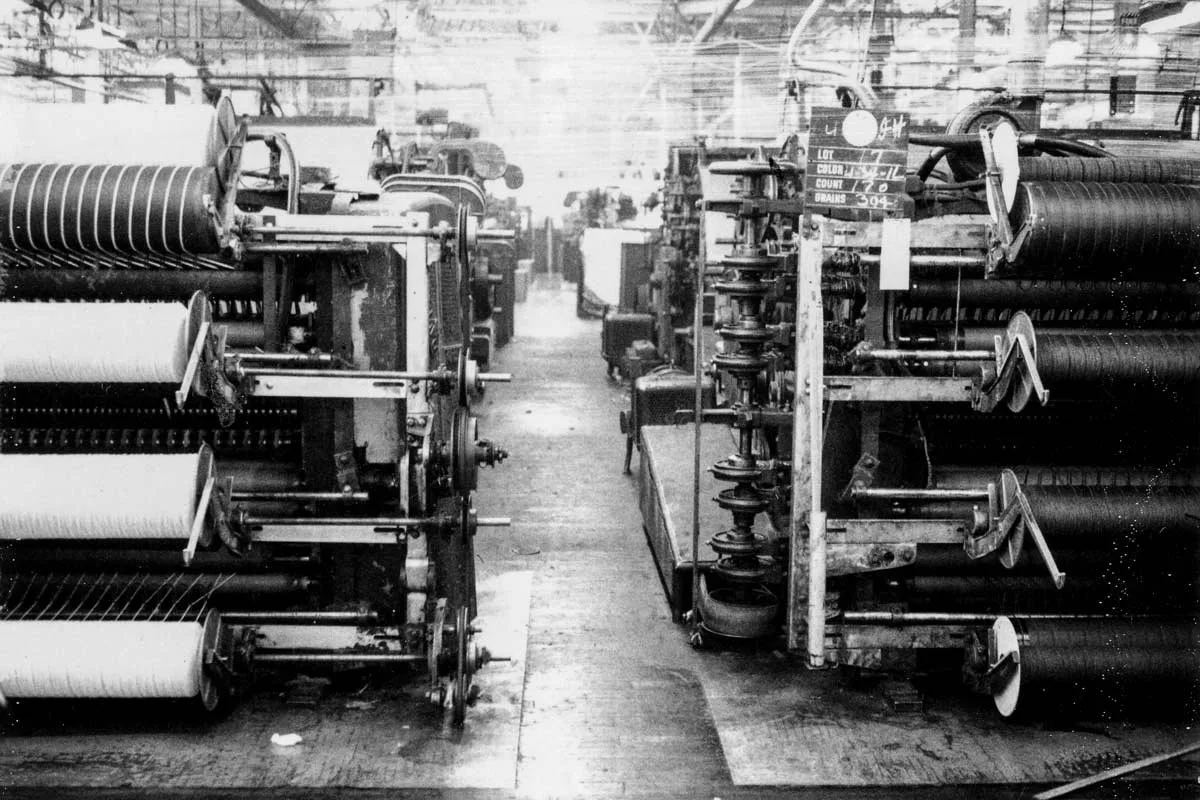
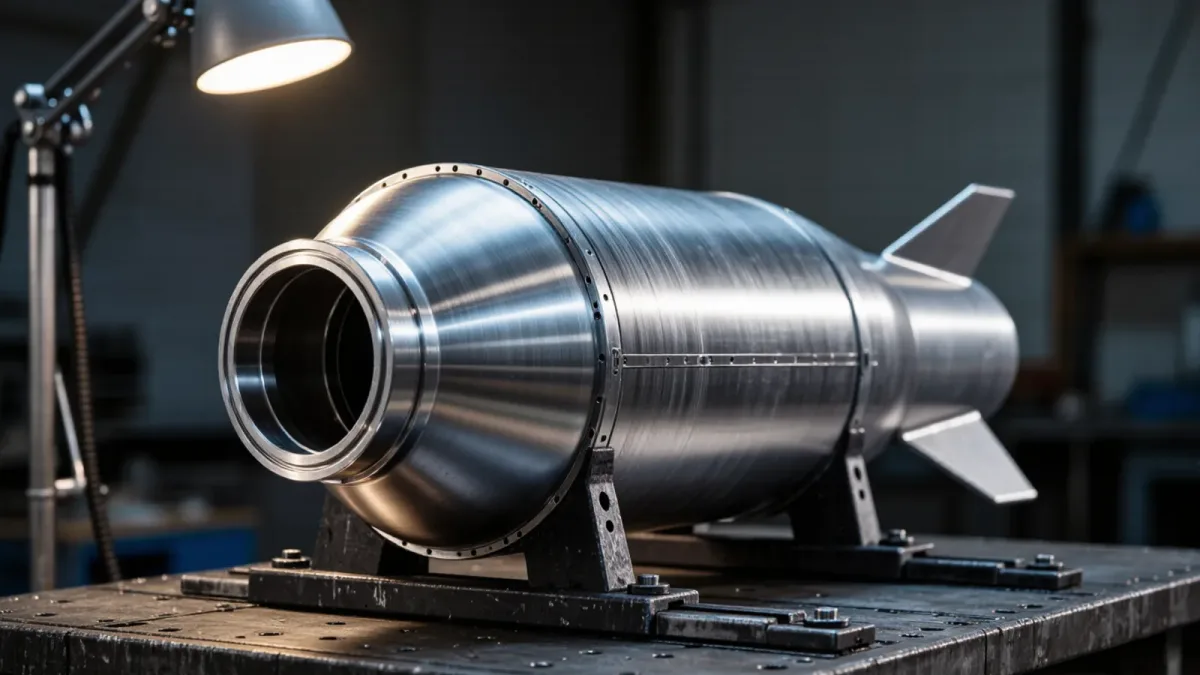
Sub-tier suppliers, mostly. Prime contractors assemble, but the parts beneath them — solid rocket motors, castings, forgings, specialized fasteners, energetic materials — come from a shrinking base of small firms. Defense industrial-base reviews have flagged single-source and sole-source dependencies at this tier for years: when one foundry makes a hull forging, its queue is the Navy's schedule. Machine capacity is second: large five-axis machining and hot-isostatic pressing run on long lead times industry-wide, as commercial aerospace competes for the same machines. Third is people: welders, machinists, and electronics technicians are scarce in the civilian economy, and security clearances shrink the eligible pool further.
Why can't capacity just be added?
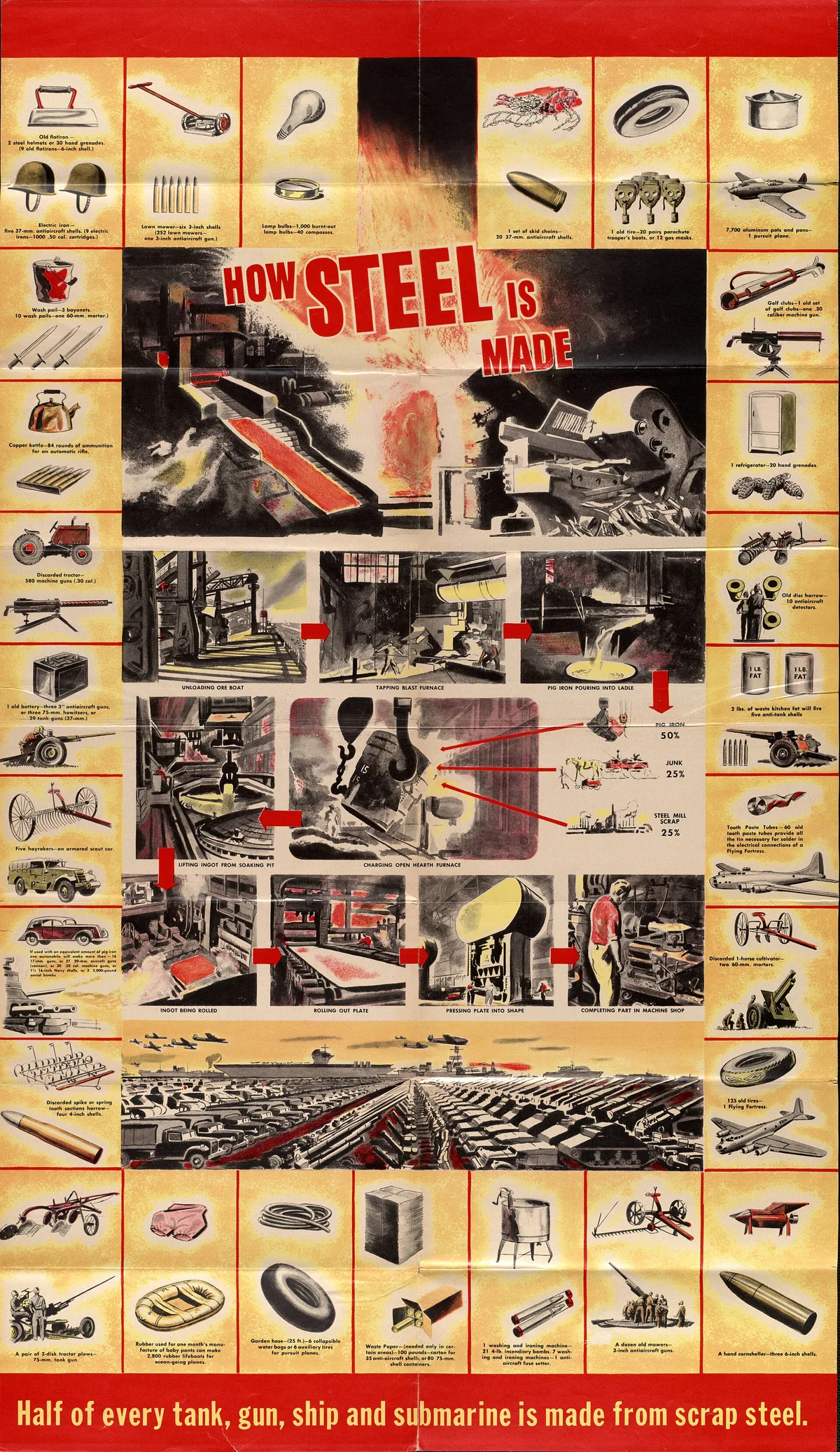
Because defense demand is lumpy and the capital is private. A supplier asked to double output must buy equipment whose payback depends on continuing orders, and defense procurement's stop-start rhythms — continuing resolutions, program restructures, quantity changes — make that bet hard to price. Multiyear contracts and demand aggregation are the Pentagon's standard answers, and they help, but they reach the prime tier faster than the sub-tier where the scarcity sits. Tariffs add cost on top: steel, aluminum, and copper inputs for defense production fell under the restructured Section 232 regimes of 2026, and domestic-content preferences raise input prices further, acknowledged as a cost of security in industrial-base planning documents.
What is being tried?
Three approaches recur in current plans. Multiyear procurement for munitions, giving suppliers order visibility long enough to justify capacity. Direct government investment in critical facilities — the government has co-funded propellant and forging capacity expansions, marking a shift from pure demand-side tools. And demand signaling to workforce pipelines: expanded apprenticeships and Defense Department skill programs aimed at the trades gap. Each has a lag of two to five years before output responds, which is why analysts watch backlog and lead-time data, not announcements, to judge progress.
How does a small manufacturer enter this base?
Through certifications and patience. The path runs from a registration in the government's contractor database through quality-system certification to first-tier audits — and the government's supplier-development programs exist precisely to shorten it, because the base's health depends on new entrants replacing the firms that exit. The economics can be attractive: defense work is recession-resistant and price is not the only criterion. The catch is working capital, since progress-payment cycles stretch small firms' cash, and the Defense Department's financing tools for that gap are worth understanding before the first contract, not after the first payroll crunch.
What would success look like?
Measurable, boring indicators: lead times for key munitions falling, sub-tier supplier count rising, machine-tool orders in defense-heavy categories climbing, and delivery schedules met without premium-priced surge contracts. None of these make headlines. All of them show up in budget documents two years later as either validated capacity or a request for more money to buy the same shortage twice.