The Federal Reserve sets the price of short-term credit for the entire United States economy. Its rate-setting committee lifted the target range for the federal funds rate by 25 basis points to 3.75 to 4.00 percent on September 16, 2026, per the FOMC statement released that afternoon. The decision reprices loans across the economy within months.
Interest rates explained starts with a single committee decision and the rates that enforce it. The Federal Open Market Committee sets a range for overnight lending between banks. Administered rates then hold the market rate inside that band. Inflation data drive the votes, and the companion piece on how the CPI basket gets updated explains that measurement. Ongoing coverage sits in the Economy News section.
The target range is the headline decision
The federal funds rate is what banks charge one another for overnight loans of reserves. The Federal Open Market Committee does not set that market rate by command. It sets a target range, and interest on reserves pulls the market rate inside the band. This connects to our earlier piece, Tariff prices arrive slowly, then leave.
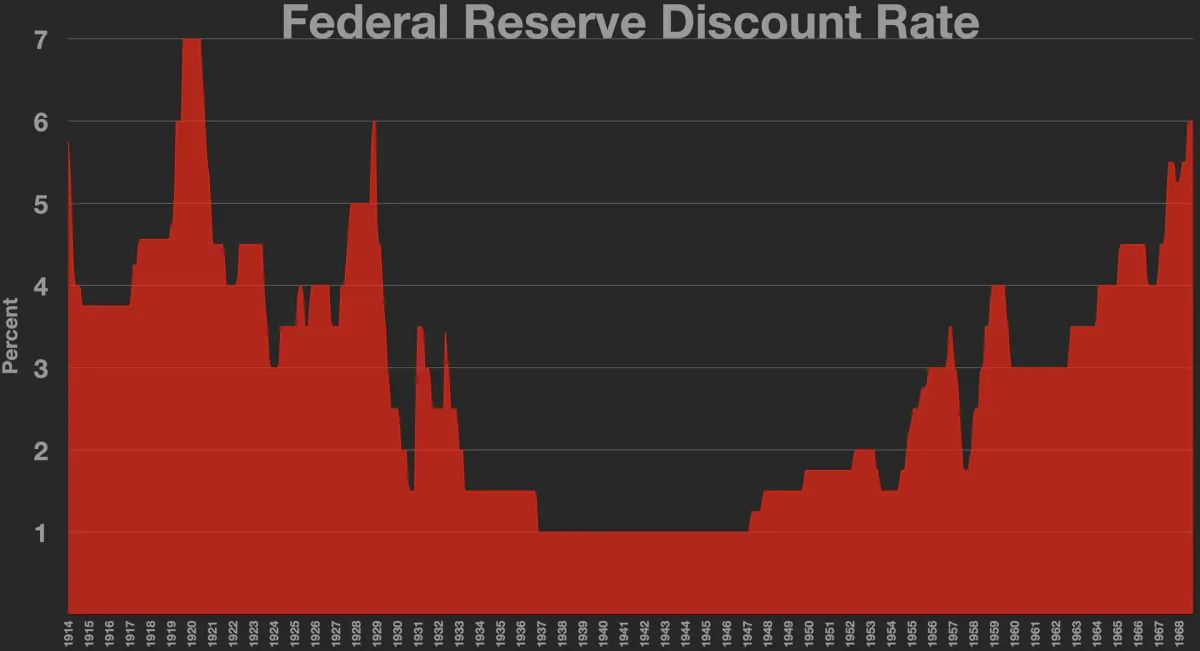
The committee raised the range by 25 basis points to 3.75 to 4.00 percent on September 16, 2026, per the FOMC statement. The vote was unanimous. Three cuts during 2025 had carried the range down to 3.50 to 3.75 percent by December 11, 2025, per the Board's open market operations table. A basis point is one hundredth of a percentage point, per the same table.
Administered rates do the daily enforcement
The Board's administered rates keep the market rate in line every day. The primary credit rate, the discount window rate for sound banks, rose by 25 basis points to 4.0 percent effective September 17, 2026, per the implementation note. That window acts as the ceiling for short-term money market rates. Standing repurchase operations lend against Treasury securities at 4.0 percent, per the same note, which reinforces that ceiling. The overnight reverse repurchase facility pays 3.75 percent and caps each counterparty at 160 billion dollars per day, per the implementation note issued September 16, 2026. Those administered prices bound the market rate and hold it inside the target range.
Why the committee moved in September
The statement pointed to solid economic activity and resilient domestic spending. Job gains have kept pace with the workforce, per the September 16, 2026 statement. Inflation remains above the Committee's 2 percent goal. The quarter-point move supports a timelier return to that goal, per the same statement. Policy works with a lag, so the committee adjusts in steps and watches the data between meetings.
Pass-through reaches household loans in stages
Banks price loans off their own funding costs, and those costs track the federal funds rate. The prime rate moves with the target range almost immediately. Card agreements and many business loans reprice with prime.
Fixed-rate mortgages behave differently. They price off long-term Treasury yields, so expectations matter as much as the current policy rate. Savings yields follow the policy rate in both directions, though banks tend to lag on the way down. The loan types that track prime most closely include:
- Credit card annual percentage rates
- Auto loans
- Home equity lines
- Small business credit lines
Conclusion: the lever sets the floor for credit
The federal funds target range anchors short-term credit costs across the United States. Administered rates enforce the anchor, and loan prices adjust in stages behind it. The range stands at 3.75 to 4.00 percent after the September 16, 2026 decision, per the FOMC statement. The Board's open market operations table records every past change with its date and size, so the lever's history stays public. It cannot fix supply shortfalls, and the committee adjusts only on the evidence in front of it. Each scheduled meeting can move the range again. Borrowers see that change only after lenders reprice. Readers following this should also see Inflation explained: why prices rise and what it costs you.