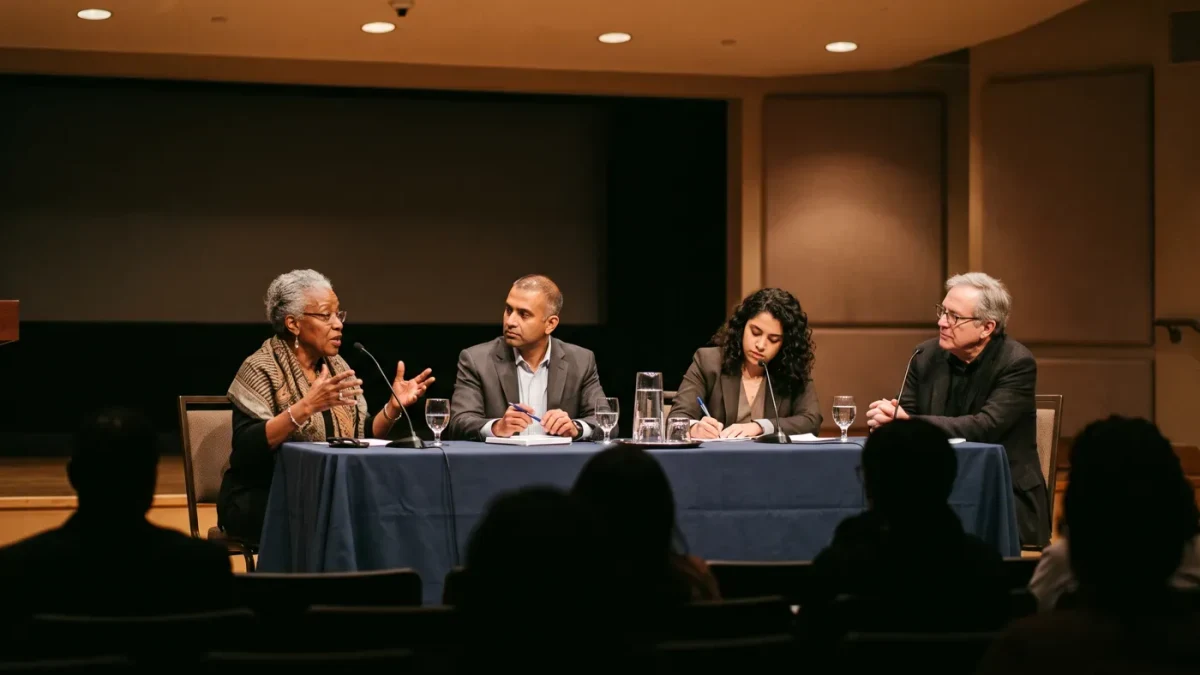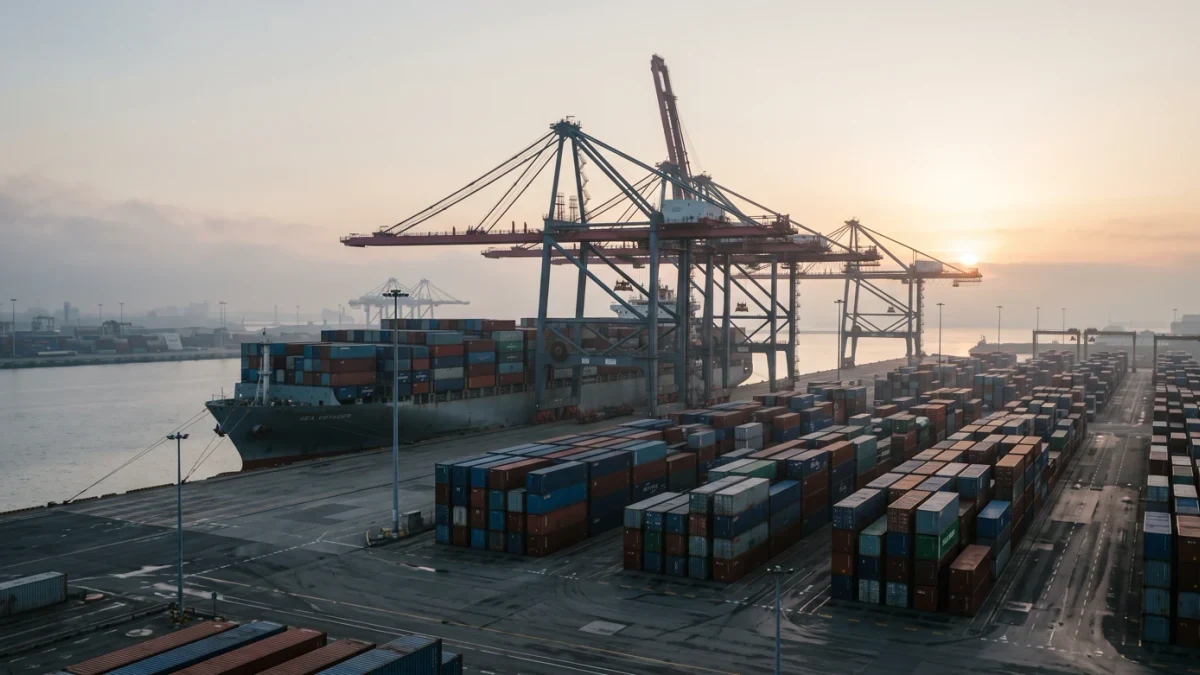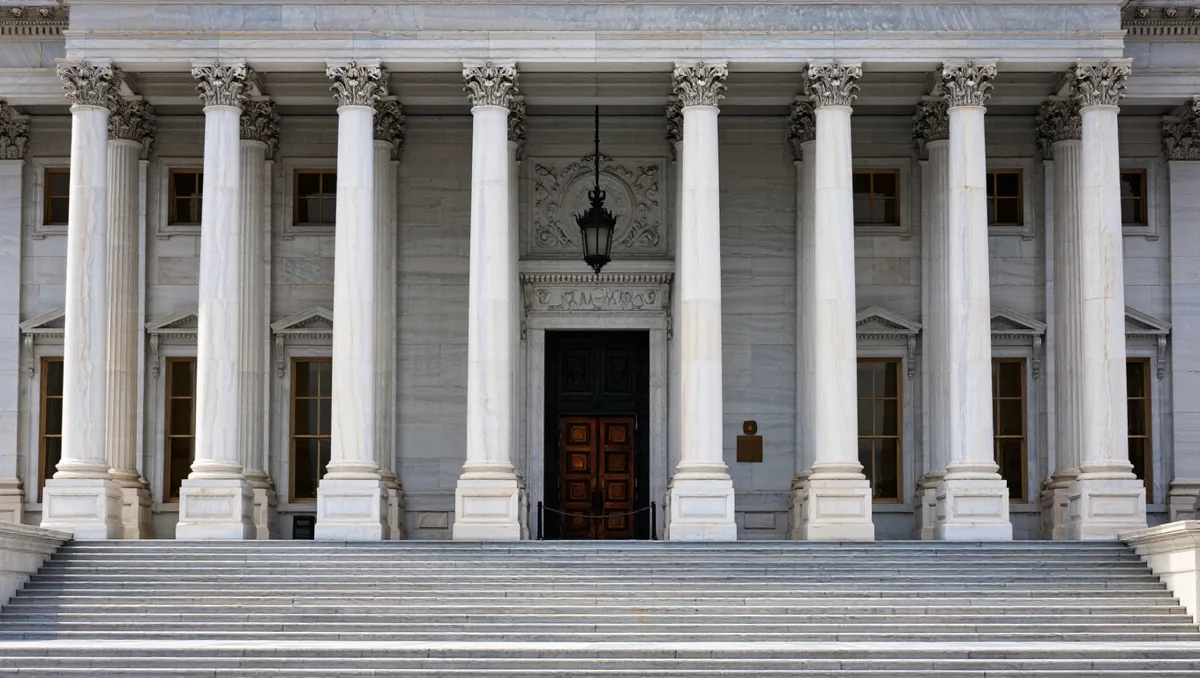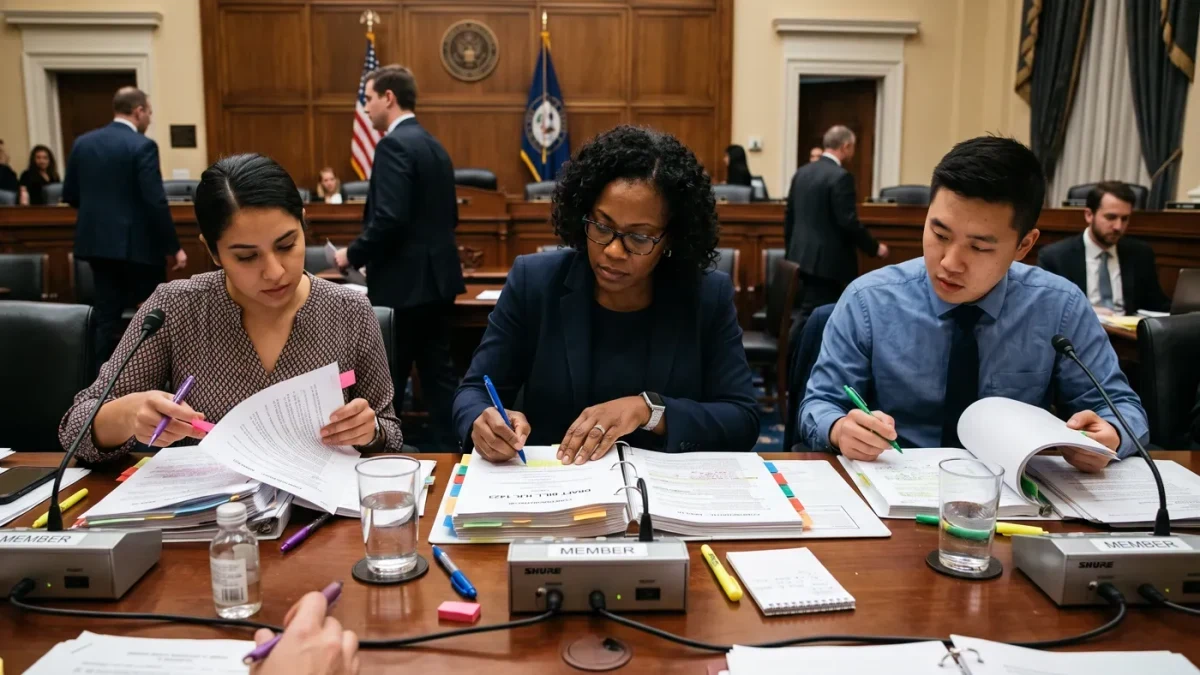
Tariff authority is Congress's, on loan. Article I gives Congress the power to lay duties on imports; every presidential tariff since the 1930s — including everything the current architecture rests on — operates under authorities Congress enacted and could amend or repeal. The February 2026 Supreme Court ruling that IEEPA does not authorize tariffs reignited the oldest fight in trade politics: whether the legislative branch takes back what it delegated, or keeps lending it. The constitutional baseline is worth knowing precisely, because every proposal in the debate is measured against it.
How the delegation happened
In pieces, each with a rationale. The Reciprocal Trade Agreements Act of 1934 let the president negotiate tariff reductions within congressional limits — the response to Smoot-Hawley's lesson that Congress setting rates line-by-line produced retaliation spirals. Section 232 of the Trade Expansion Act of 1962 delegated national-security adjustment. Section 301 of the Trade Act of 1974 delegated response to unfair practices. IEEPA in 1977 delegated economic powers in declared emergencies — which the Court in February 2026 held does not extend to tariffs, in a 6-3 decision. Each delegation moved faster than Congress could legislate, which was the point; each also accumulated into an executive trade power that now shapes prices Congress never votes on.
What would taking it back look like?
Proposals recur in several shapes. Approval requirements: new tariffs above thresholds sunset unless Congress affirmatively approves — flipping the default from delegation to consent. Expedited disapproval: the Congressional Review Act mechanism applied to tariff proclamations, with fast-track votes and presidential override rules. Delegation tightening: amendments to 232 and 301 adding time limits, consultation, or injury requirements — reforming the loans rather than calling them. The obstacle is the same in every Congress that has considered it: tariff power is politically convenient to hold and inconvenient to reclaim, because the reclaiming party inherits responsibility for whatever the rates do next.
Why 2026 changed the debate's weight
Two facts. First, the Court demonstrated that presidential tariff authority has judicial limits — which cuts both ways: it reassured delegation's critics that courts police the outer edge, and alarmed them that the policing arrives only after years of collections and dislocation, with an estimated $175 billion in refund claims as the cleanup cost. Second, the revenue stake: tariffs had grown into a budget-relevant revenue line, and members who would once have ignored procedural questions now hold fiscal positions on them — the rare configuration in which trade-authority procedure is also appropriations politics.
Where each party actually stands
Positioned by constituency, not philosophy, and the alignment shifts with the rates. Presidents of both parties have used delegated tariff authority; congressional majorities of both parties have proposed reclaiming it — typically while the other party holds the White House. The industrial-state members whose districts contain protected producers defend the executive tools; agricultural and exporting-state members whose constituents absorb retaliation organize against them. What the 2026 cycle added is a court-validated middle position: keep 232 and 301, formalize their limits, and close the emergency path permanently — the shape most legislative drafts have converged on when they get serious.
How to follow the issue
Watch committee markups rather than floor speeches — trade-authority bills live or die in the Finance and Ways and Means committees, where the jurisdiction sits. Track the reintroduction cycle: reclamation bills now arrive each Congress with growing cosponsor lists, and their committee treatment — hearing versus quiet shelving — is the real signal. And read any final language for the default rule: who must act for a tariff to continue. That single design choice — Congress must approve versus president must be overruled — is the whole constitutional question in one clause. Everything else is drafting.