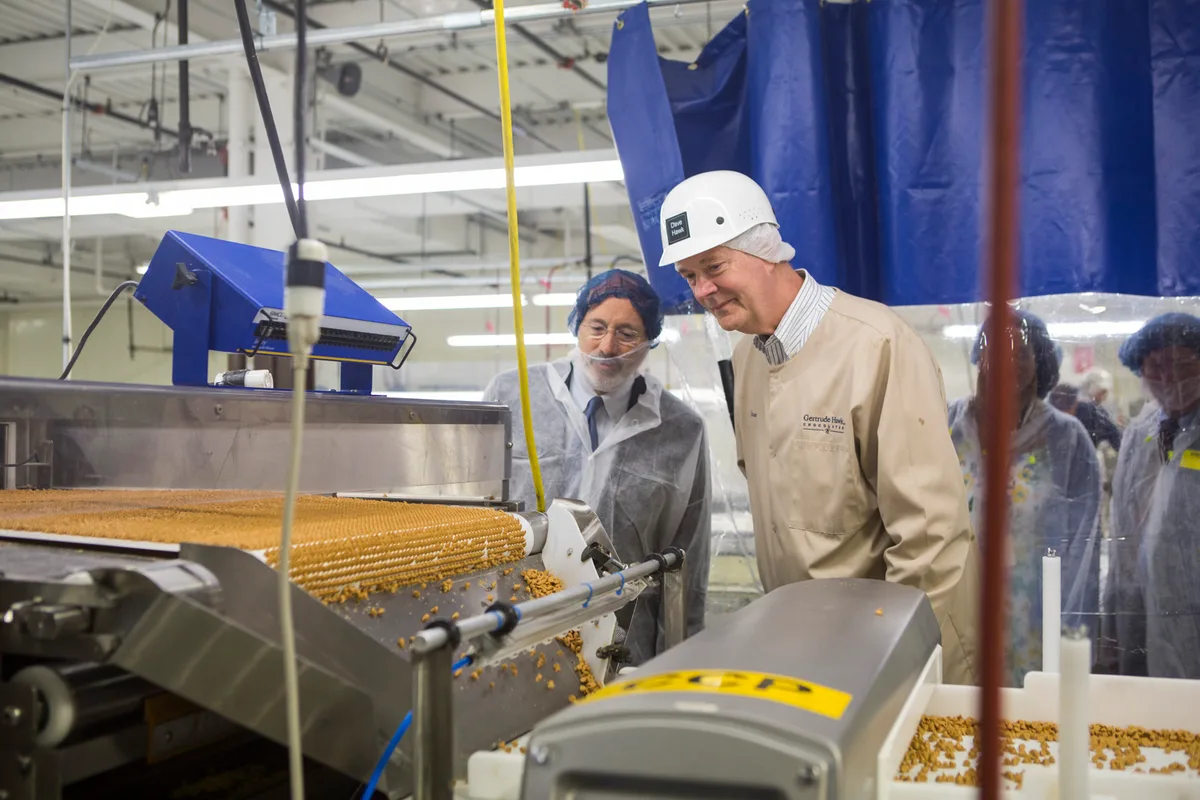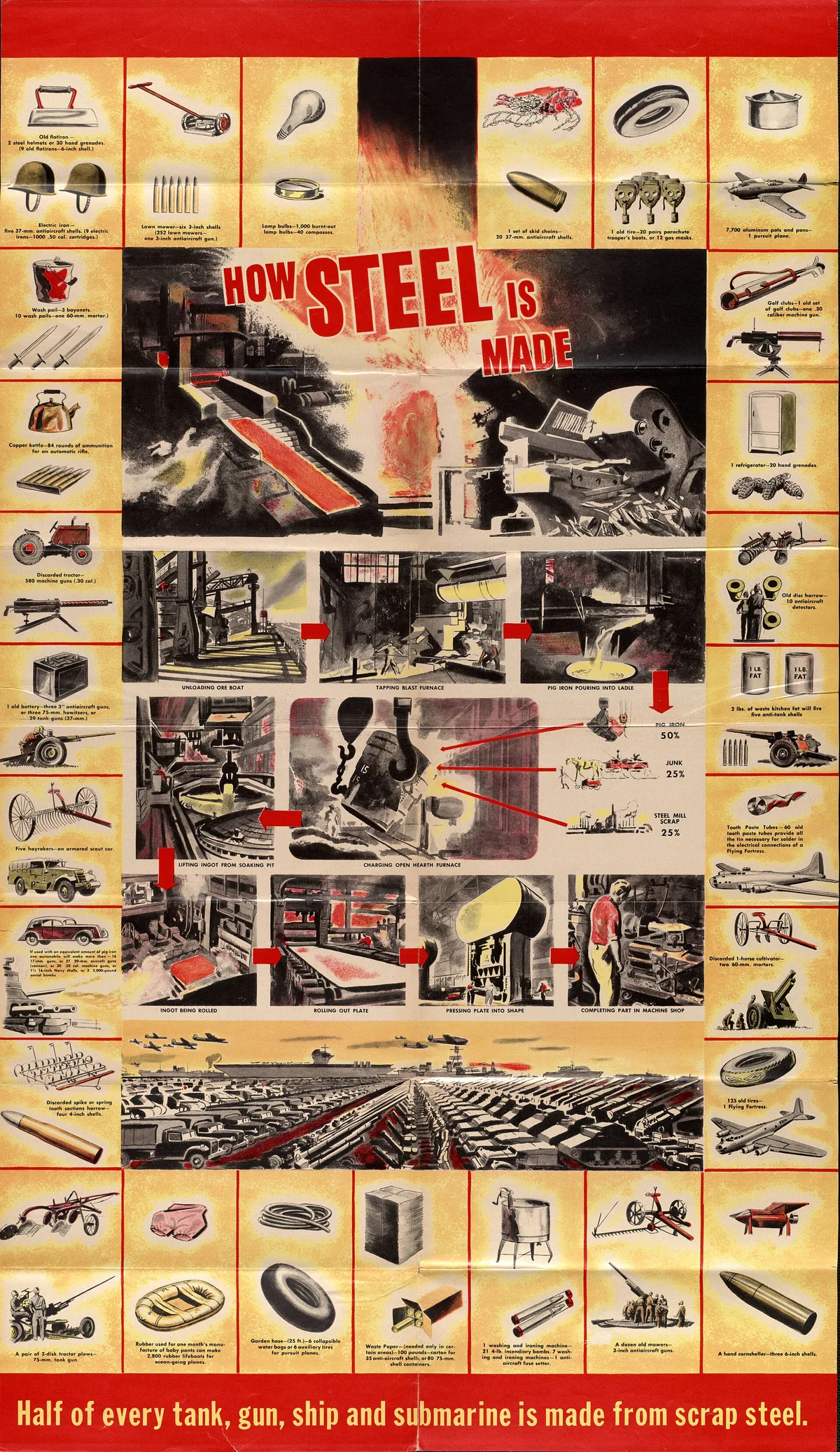
Buy America rules are the price of federal money. Highways, transit, water systems, airports, and broadband projects financed with federal funds generally must use domestically produced iron, steel, and manufactured products, and the details — which agency, which threshold, which waiver — decide whether a manufacturer's phone rings or stays silent. The rules are not one law. They are a family of statutes and agency regulations that overlap, and suppliers that master the differences win contracts that competitors disqualify themselves from.
Which rules apply to which money?
Buy America, administered by the Transportation Department for highway and transit programs, is the strictest and best known: iron and steel must be melted and manufactured in the United States, all manufacturing processes for covered products must occur domestically, and the cost of US components must exceed a set share of total component cost — 70% for rolling stock under current Federal Transit Administration policy. Buy American, the Federal Acquisition Regulation clause covering direct federal procurement, requires domestic end products with a component threshold that has been raised by executive action above its statutory floor. The Build America, Buy America Act, enacted in 2021, extended similar requirements to most federal financial assistance for infrastructure, including water and broadband, closing the gap for programs that previously had none.
What counts as manufactured in the United States?
For iron and steel under transportation rules, the test is total: melting, refining, and fabrication must all happen domestically, so imported slab rolled into shapes in the US does not qualify. For other manufactured products, the test is component-based: the product must be manufactured in the US and its US-made components must clear the cost share. The distinctions are granular — a fastener may be covered while the coating applied abroad may break compliance. Suppliers maintain certificates of origin and component-cost breakdowns the way public companies maintain audit files, because a single nonconforming part can void an award after the fact.
How do waivers work?
Agencies can waive the requirements in three classic cases: the product is not produced in the US in sufficient quantity or quality, applying the rule would increase cost by more than a set percentage, or the public interest overrides. Waiver practice tightened after 2021 — the Build America, Buy America framework directs agencies to make waivers narrower and more public, with posted requests and comment periods. Manufacturers that spot a competitor's waiver request can and do comment, and procurement lawyers treat the waiver docket as competitive intelligence.
Why did these rules get teeth recently?
Enforcement and coverage both grew. De minimis thresholds and waivers were curtailed, manufactured-product coverage was broadened, and agencies hired compliance staff, reflecting the industrial-policy turn that also produced semiconductor incentives and tariff actions. The February 2026 Supreme Court ruling that invalidated IEEPA tariffs pushed the administration to lean harder on procurement-based tools — domestic-content requirements are statute-based and unaffected by the ruling — making Buy America compliance a more valuable asset for manufacturers that hold it.
What should a manufacturer do to qualify?
Audit the bill of materials against the specific program's rules before quoting, not after winning. Build a component-cost ledger that allocates every input to domestic or foreign origin. Identify sole-source foreign components early and prepare waiver documentation. Track state-level add-ons: states layer their own preferences on federal funds, and a product compliant federally can still lose state points. The payoff is durable — agency buyers under deadline pressure prefer bidders whose compliance files close questions rather than open them.
News ABC publishes information, not legal advice; compliance determinations rest with the administering agency.