Almost everything you own spent time in a port. Shoes, phones, lumber, coffee. Most of it crossed a dock somewhere before it reached you. Yet ports stay invisible to most people. Here is how they work, and why world trade would stall without them.
Ports are maritime facilities where ships load and discharge cargo and passengers. That simple job hides a huge machine. Per Wikipedia's overview of ports, about 70 percent of global merchandise trade by value passes through one.
What a Port Actually Does
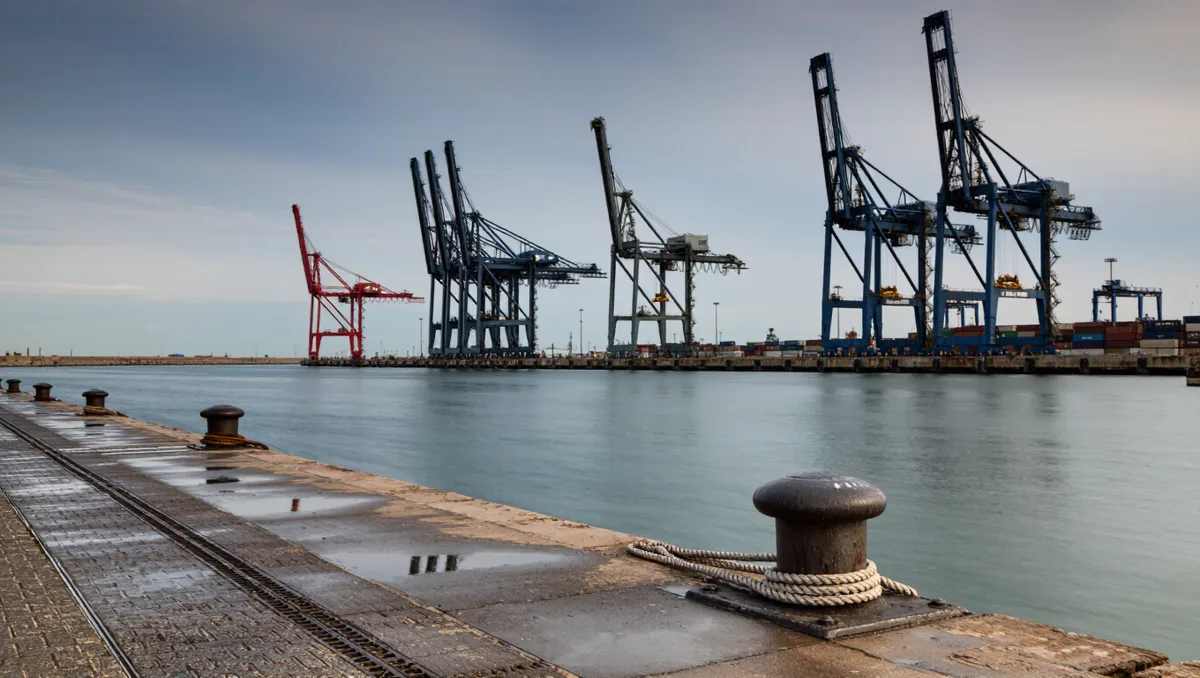
A port is far more than a dock. It is a system of wharves, yards, warehouses, and gates where cargo changes hands and paperwork changes too. Ships arrive on schedules set by tides, weather, and demand. Cranes lift containers off the vessel, trucks and trains haul them away, and the whole cycle starts again.
Ports do not have to sit on the sea. Hamburg, Manchester, and Duluth all sit inland, reaching the ocean by river or canal. Whatever the setting, the job is the same. Move goods between water and land with as little friction as possible. For related coverage, see What is trade? Goods move, money moves back.
Older Than You Think
Ports are ancient. Wherever early civilizations traded by sea, they built harbors. One of the oldest known artificial harbors sits at Wadi al-Jarf on the Red Sea. Ancient Athens relied on its port at Piraeus, and Rome built Ostia at the mouth of the Tiber to feed the city.
Ports changed the people who gathered around them. Many port cities have gone through dramatic changes in culture and identity, because docks were where immigrants, sailors, and soldiers first stepped ashore. That mixing left a mark that many coastal cities still carry today.
The Container Changed Everything
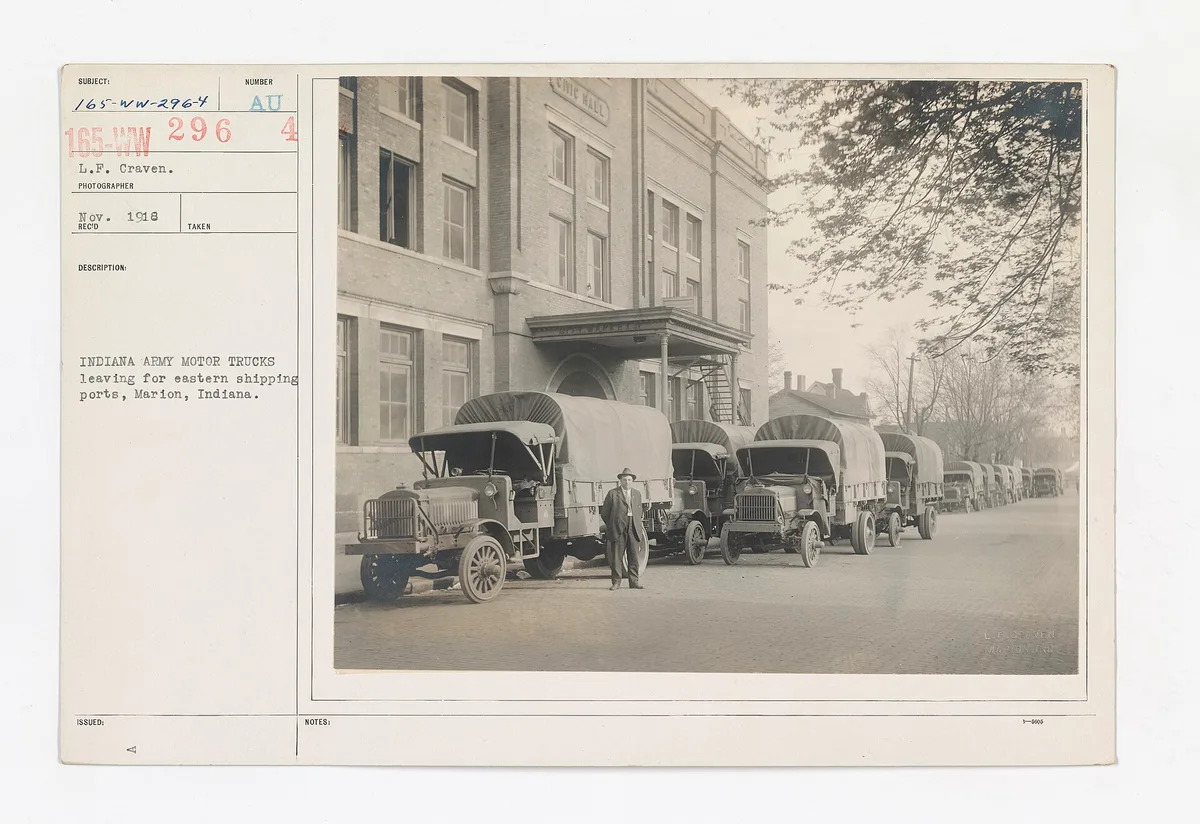
Before the second half of the twentieth century, dock workers loaded cargo piece by piece. Barrels, crates, and sacks were hauled and stacked by hand, a method known as break bulk. It was slow, costly, and hard on both workers and goods. Each stop at another port delayed every item on board.
The idea of the box came long before its success. English coal regions used wooden containers on canal boats in the late eighteenth century. By the 1830s, railroads carried boxes that could be moved onto other transport. What was missing was scale, standard sizes, and the cranes to match.
Containerization replaced that chore with steel boxes of standard size. Containers can be stacked, lifted, and moved from ship to rail to truck without being opened. Every container is numbered and tracked by computer. The change cut transport costs sharply, shortened shipping times, and reduced losses from damage and theft. It also displaced thousands of dock jobs and emptied the old port warehouses.
A Day at the Terminal
Watch a busy terminal and you see the model at work. A crane drops a box on a truck chassis. A driver hauls it to a yard stack, where another crane lifts it onto a flatcar or back onto a ship. Little is stored, and most cargo keeps moving. The ports that master this flow win traffic. The ones that cannot lose it.
Where the Busiest Ports Sit
The greatest growth in port activity is in Asia. Singapore, Shanghai, and Ningbo-Zhoushan rank among the largest and busiest ports in the world. Europe's busiest passenger port as of 2020 was Helsinki, in Finland. Countless smaller ports survive on fishing, tourism, or local trade alone. We covered a connected angle in Trade deficits explained: the number isn't what you think.
Ports also carry risk. Dredging, spills, noise, and air pollution strain local waterways. Rising seas and coastal flooding threaten infrastructure that cannot easily move. Many port cities are now weighing how to adapt their docks to a changing climate.
Conclusion: The World's Loading Docks
A port is the hinge between factory and shelf. Goods flow through it because standardized boxes, mechanized cranes, and computer tracking make each handoff cheap and fast. Next time a package arrives, remember the dock it crossed. World commerce moves one container at a time.