When a Brazilian coffee exporter sells to a German roaster, the invoice is usually not in reais or euros. It is in US dollars. The same is true for oil, grain, metals, and most goods traded across borders. One currency sits at the center of world commerce. Here is how it got there, and what that means.
Money is a language, and trade needs a shared one. If every deal required a fresh conversion between two national currencies, prices would be slower to set and harder to compare. Reserve currencies solve that problem by serving as money that everyone is willing to hold.
What a Reserve Currency Is
A reserve currency is a foreign currency held by governments and central banks as part of their reserves. It can be used in international transactions and investments across the global economy. Because other countries must obtain it to pay for goods, the issuing country enjoys unusual advantages. It can buy imports at comparatively low prices, and strong demand for its currency lets it borrow on friendlier terms. For related coverage, see What is trade? Goods move, money moves back.
How the Dollar Got the Job
Reserve currencies have come and gone with the world's political order. Spanish silver dollars ruled trade from the sixteenth to the nineteenth centuries. British sterling took the lead in the late nineteenth century, when more than half of world trade was invoiced in pounds. Then two world wars drained Britain's gold and power. We covered a connected angle in Importers pay tariffs, and then pass them on.
In 1944, the Bretton Woods Agreement made the US dollar the world's foremost reserve currency. The dollar was the only post-war currency still linked to gold. That link was severed in 1971, yet the dollar kept its crown. The rules and institutions built at Bretton Woods still shape how trade is financed and settled today.
Why Trade Leans on the Dollar
The dollar is the standard unit in which goods are quoted and payments are settled in global commodity markets. Central banks around the world hold large dollar reserves and buy US Treasury bills with them. Foreign companies and private individuals hold dollars too, in deposit accounts outside the Federal Reserve's reach.
Cash matters as well. An estimated three quarters of hundred-dollar notes circulate overseas, per Wikipedia's account of the dollar's international role. The dollar also serves as the official or de facto currency in several countries.
It is not alone at the top table. The euro, sterling, the Japanese yen, and the Chinese renminbi share a basket of reserve currencies at the International Monetary Fund. But the dollar sits first among them, and central banks remain heavy buyers of US Treasury bills and notes.
What It Means for Buyers and Sellers
For traders, a dominant invoice currency brings calm. Contracts, freight, and insurance can all be priced in one unit, which lowers risk. Prices set in one currency are also easier to compare across borders, and the same logic carries into shipping and insurance. For the United States, the role brings cheap borrowing and quiet influence, since the Treasury can sway global payment networks and impose sanctions. Some countries now look for ways around dollar dependence, but no rival has displaced it.
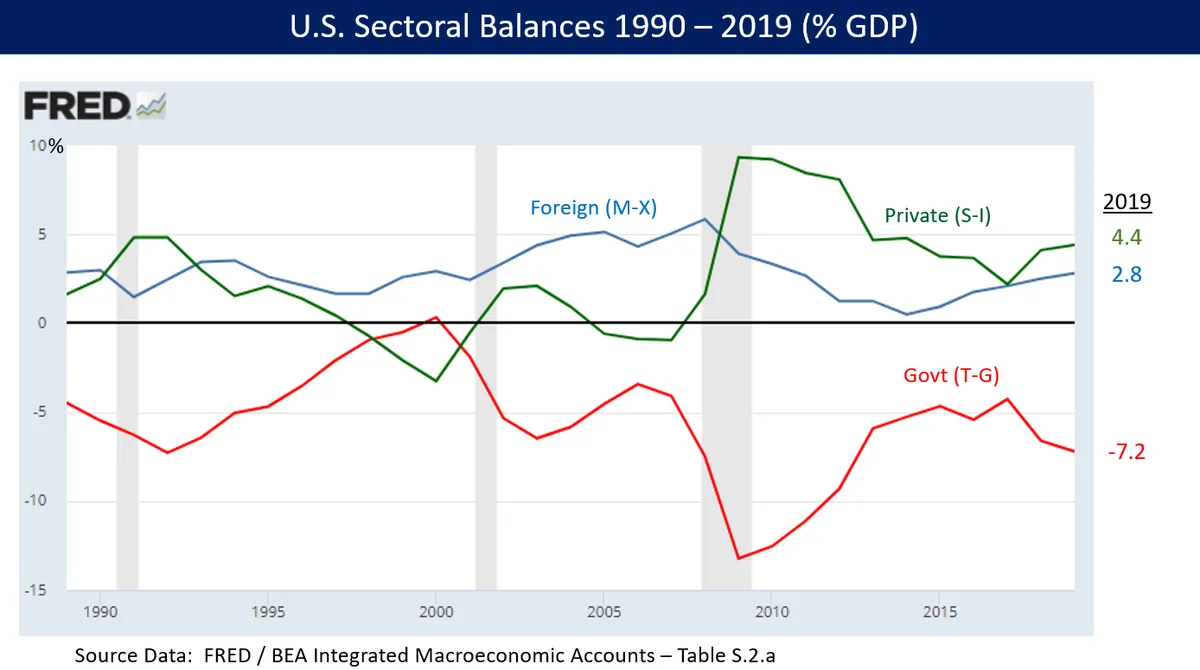
That does not mean the dollar's status is permanent. Sterling's reign ended, and economists have long debated how long the dollar's can last. Some, including Paul Samuelson, argued that overseas demand for dollars lets the United States run trade deficits without the currency losing value. Critics of that view saw a bill coming due. The debate is old, and it is not settled.
Conclusion: One Currency, Many Markets
Currency exchange looks like plumbing, but plumbing decides what flows. The dollar's reserve role lowers costs, anchors prices, and gives one country outsized reach. When you hear that commodities trade "in dollars," you are hearing about a system built in 1944 that has never been fully replaced.