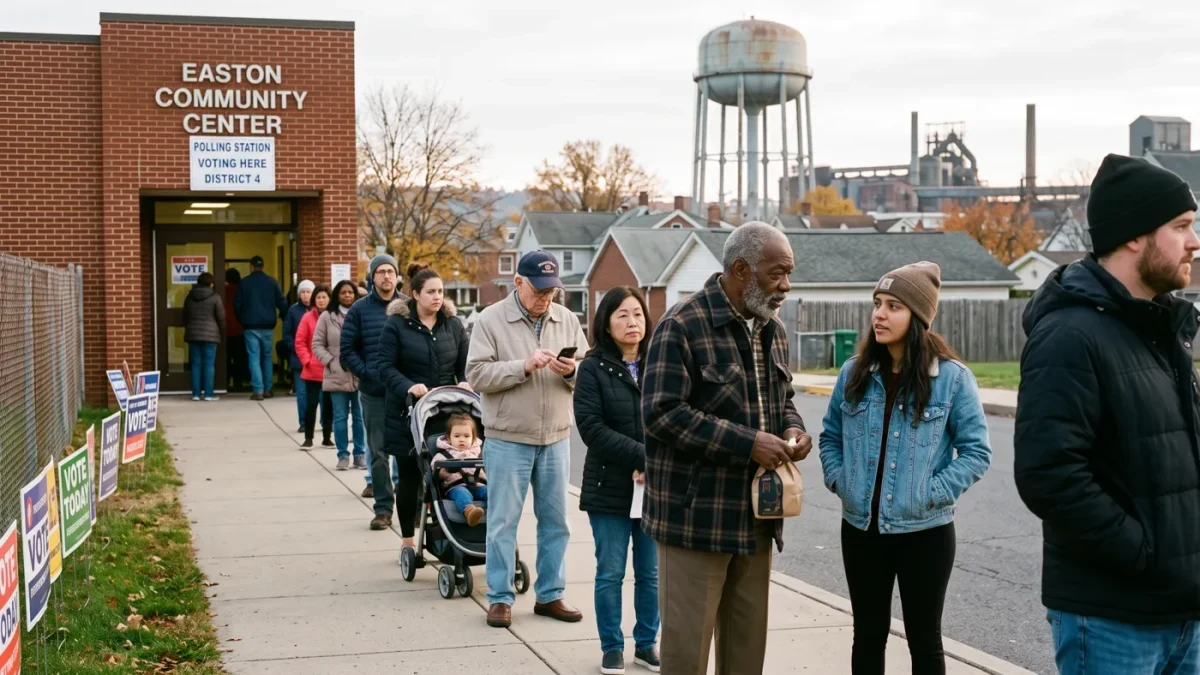
The 2026 midterms will be priced in factory counties. Control of the House runs through a set of competitive districts concentrated in the industrial Midwest and Southeast — places whose employment base is manufacturing and logistics, and whose voters experienced the tariff cycle as both protected producers and paying consumers. The November 3, 2026 vote arrives after two years in which trade policy ran hot: escalations, a Supreme Court invalidation, restructuring, and a live refund fight worth up to $175 billion. Candidates in these districts are running on the results, and the results cut both directions.
Which districts matter?
The competitive House map's center of gravity sits in the old manufacturing belt — Michigan, Ohio, Pennsylvania, Wisconsin — plus the new industrial South, where auto and battery investment concentrated, and scattered districts where a single plant or port dominates the local economy. These are districts where manufacturing employment share runs well above the national average, where the tariff question is not abstract — it is the plant on the hill, the supplier across the county line, the price at the hardware store. Midterm electorates are smaller and older than presidential ones, which historically penalizes the party holding the White House; the structural forecast in any such year starts there, and the campaigns run from inside it.
What does the tariff record give each side?
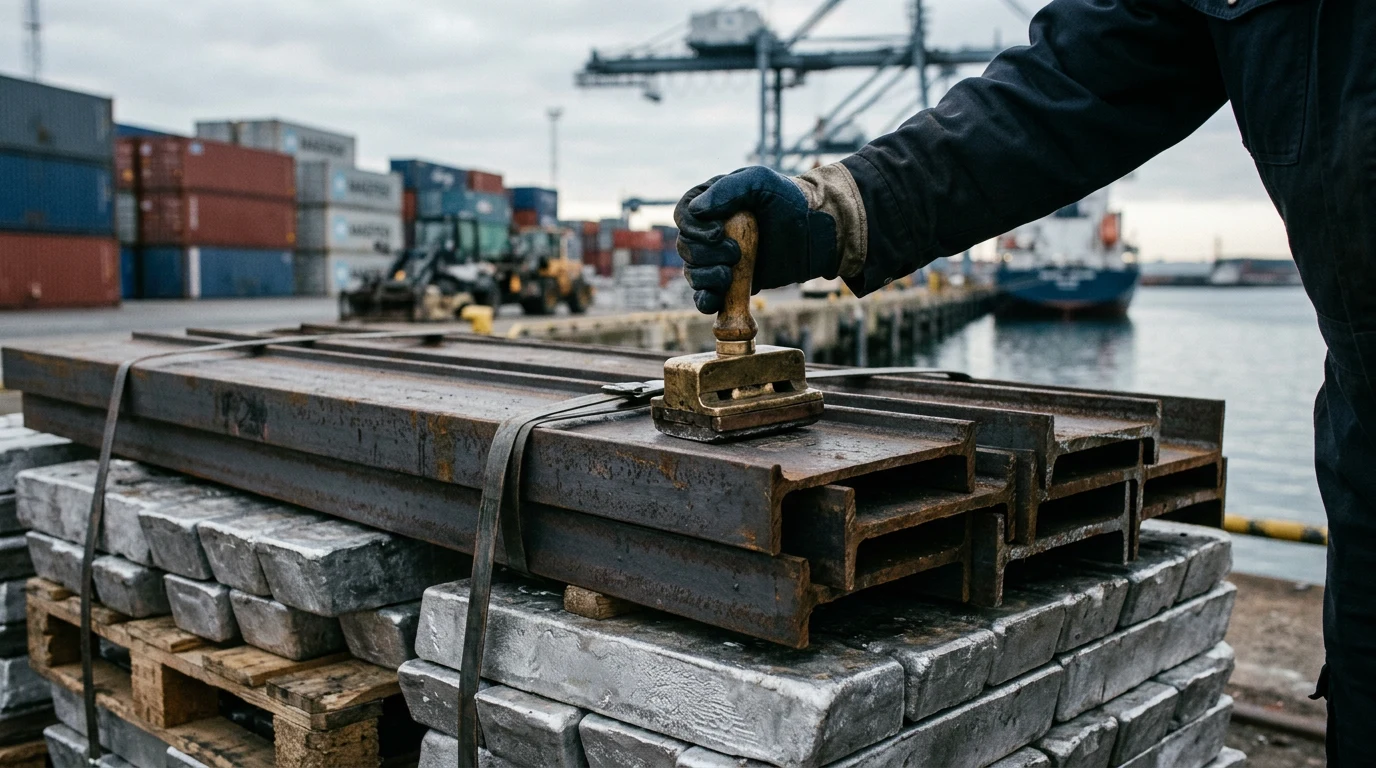
Same facts, opposite emphases, as always. The protection case: metals and manufacturing investment responded to the tariff wall — plant announcements clustered in protected sectors, and the administration's industrial programs directed capital toward exactly these districts; candidates running on it can point to groundbreakings. The cost case: the pass-through evidence — costs landing mostly in the US — showed up in these districts' prices, farm-retaliation memory lingers from the prior cycle, and the 2026 legal chaos itself became an argument: the policy its own authors could not keep standing in court. The honest reading is that the tariff record is a genuine electoral weapon for both sides in the same district, because the same county contains the mill and the machine shop that buys its steel.
What are the campaigns actually running on?
The kitchen-table aggregation of the cycle: prices, jobs, and the sense of economic motion. Inflation's cumulative level — not its decelerating rate — is the voter's benchmark, and tariff contributions to goods prices sit inside that memory. Job markets in manufacturing districts held mixed: protected sectors added, downstream users trimmed, and the local narrative depends on which plant's parking lot a voter drives past. Candidates also run on the industrial-policy spoils — who delivered the funding, whose district got the plant — because ribbon-cuttings are the midterm currency of industrial policy, and both parties' incumbents claim them.
What should a reader watch?
Three layers. The generic structural factors first — midterm history, redistricting, candidate quality — which set the prior the campaign must move. Then the district-level tariff exposure: competitive districts with high protected-sector employment will hear protection arguments succeed; districts dominated by import-dependent manufacturing will hear the cost case. And the turnout composition: union households, plant-adjacent suburbs, and the small-town business owners who import — each campaign's field operation is aimed at a different slice of the same factory economy. The polls that matter are the district polls in late October, aggregated with humility.
Why the stakes outlast the election
Because the next Congress inherits the open files: the replacement tariff statutes the Court's ruling forced into drafting, the refund settlement's funding, the incentive programs' continuation, the USMCA revision's ratification. A House that flips changes the committees — Finance and Ways and Means chairmanships — that will write those provisions; one that holds changes their margins. The 2026 midterms are not a referendum on tariffs in the clean sense partisans will claim. They are the personnel decision for the settlement of the tariff era, taken by the counties that lived it.