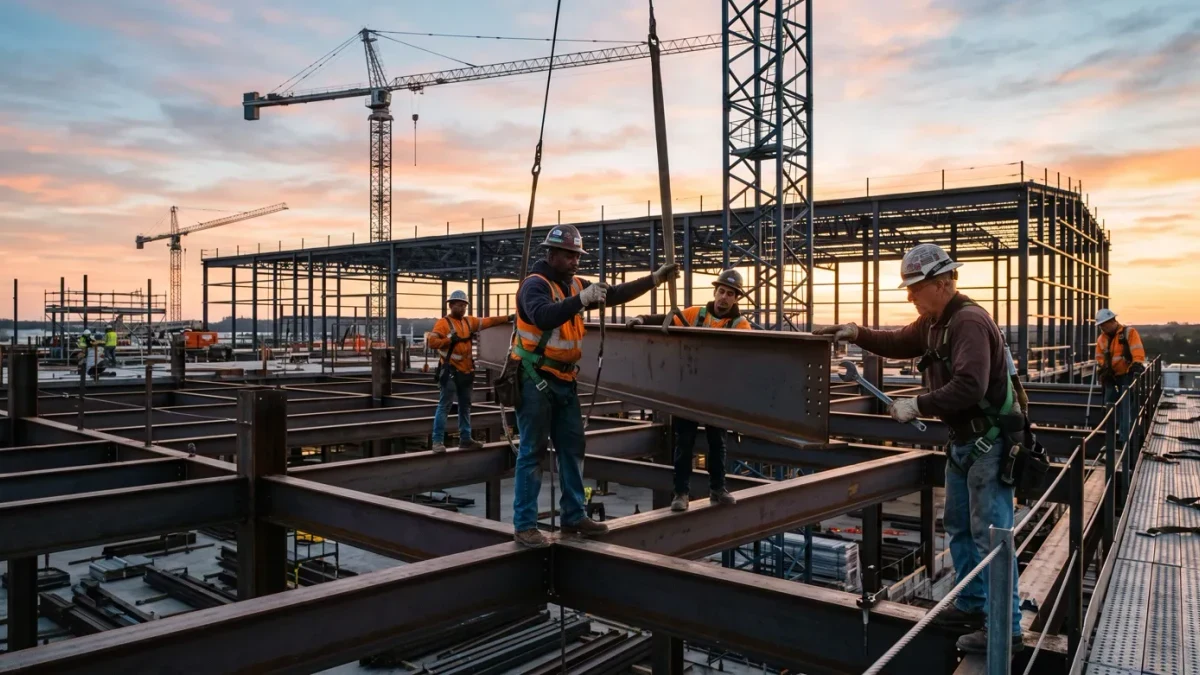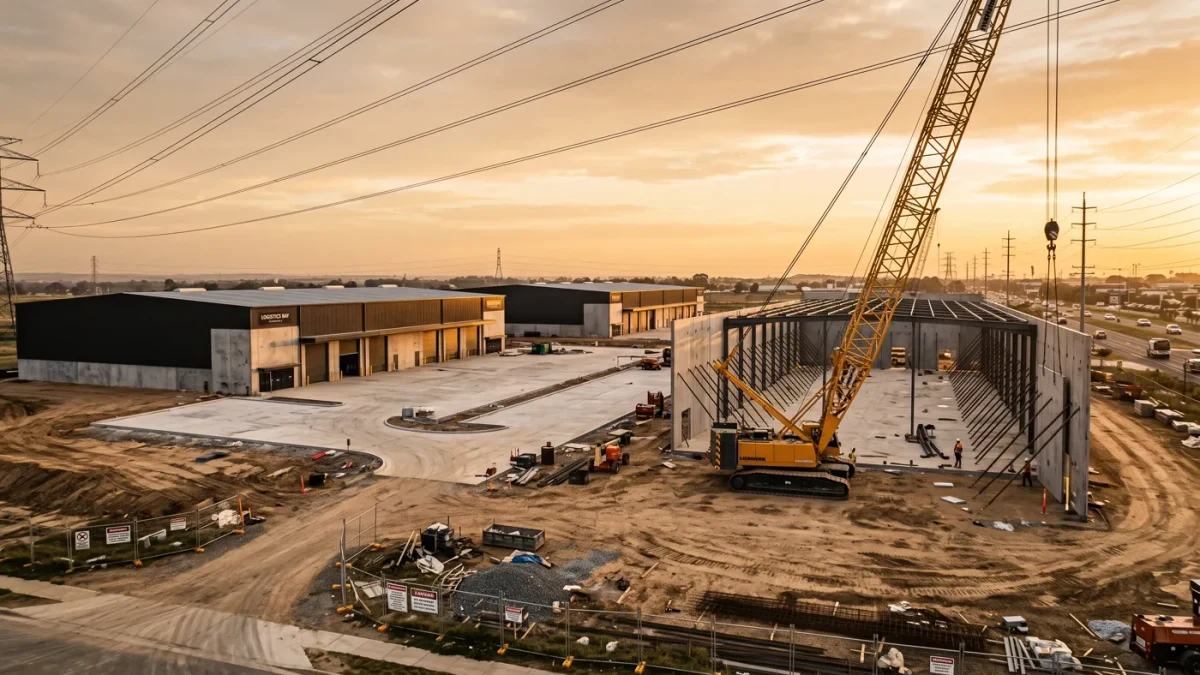
Industrial real estate used to be a logistics business; it is becoming an industrial-policy business. US manufacturing construction spending has run far above its historical trend since 2021, led by semiconductor and battery plants under federal incentive programs, per Census Bureau construction data. That wave re-priced land and buildings around the sites it touched — and rewrote the due-diligence checklist, because the tenants now arriving ask about substations and water rights before loading doors.
What moved in the market
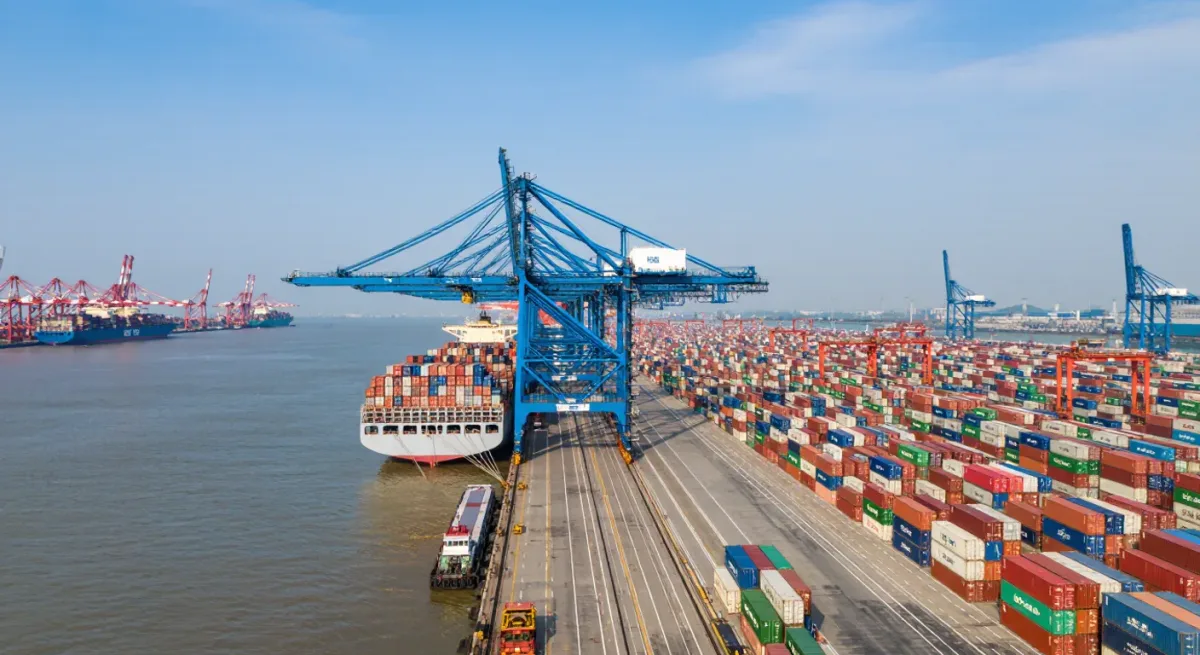
Rents and land values around fab corridors, battery belt sites, and the Mexico-facing border logistics market rose with announcements and groundbreaking, per industrial-leasing market data through 2025. The composition of demand shifted with it: traditional big-box distribution demand, which had surged in the pandemic era, normalized as e-commerce growth settled, while manufacturing-adjacent demand — supplier parks, clean rooms shells, heavy-power multi-tenants — grew from a small base quickly. The de minimis repeal added its own push: with parcels paying duty regardless, holding inventory in US warehouses gained appeal, supporting demand for fulfillment space at the ports, per market commentary tracking the shift.
Power is the new square footage
The defining change in what industrial tenants buy. An advanced-manufacturing tenant's first questions are about electrical capacity — megawatts, voltage, redundancy — and interconnection timelines, because grid queues are measured in years and a site without firm power is a site without a schedule, per grid-operator filings. Water follows for semiconductor and food processing; floor thickness, clear height, and rail spurs complete the modern checklist. Buildings that have them lease at premiums; buildings that merely have walls discount. The market's vocabulary adapted — listings now advertise available power the way they once advertised highway frontage.
Who is winning and who is exposed
Winners: landowners ahead of announcement corridors; developers who pre-engineer power and utility capacity; municipalities that publish their interconnection and water positions transparently. Exposed: owners of vintage distribution stock in markets losing logistics tenants to newer stock; spec developers who built pandemic-era big box into softening demand; and any landlord holding single-tenant manufacturing buildings whose tenant's program depended on subsidies that re-appropriate. The tariff overlay cuts both ways again: construction itself is steel- and copper-intensive, so the premium environment raised replacement cost — supporting values on one ledger while raising the barrier to new supply on the other.
How should a manufacturer read the market?
Lease versus own turns on the same policy volatility everything else does: a plant is a decades asset, incentives carry cycles, and tariff regimes changed twice in 2026 alone. The practical sequence successful occupants follow: secure power and water positions contractually before signing — an option on interconnection is worth more than a rent abatement; negotiate expansion rights and utility redundancy into the base lease; and locate relative to the supplier map, not just the customer map — the corridor economics that made automotive clusters work apply to the new industries with the same force. For investors, the discipline is underwriting power availability and tenant subsidy-dependence rather than headline rents.
What would bend the trend
Program timelines: announced plants slip, and a construction-spending normalization would cool the hottest corridors — the Census series turning flat is the signal to watch. Policy durability: incentive programs and tariff structures both shifted within 2026, and each shift re-prices some subset of sites. And the power queue itself: if interconnection waits lengthen further, development migrates to wherever capacity already exists, compressing the premium the constrained markets currently enjoy. The land is patient; the policy is not; the returns sit in the difference.