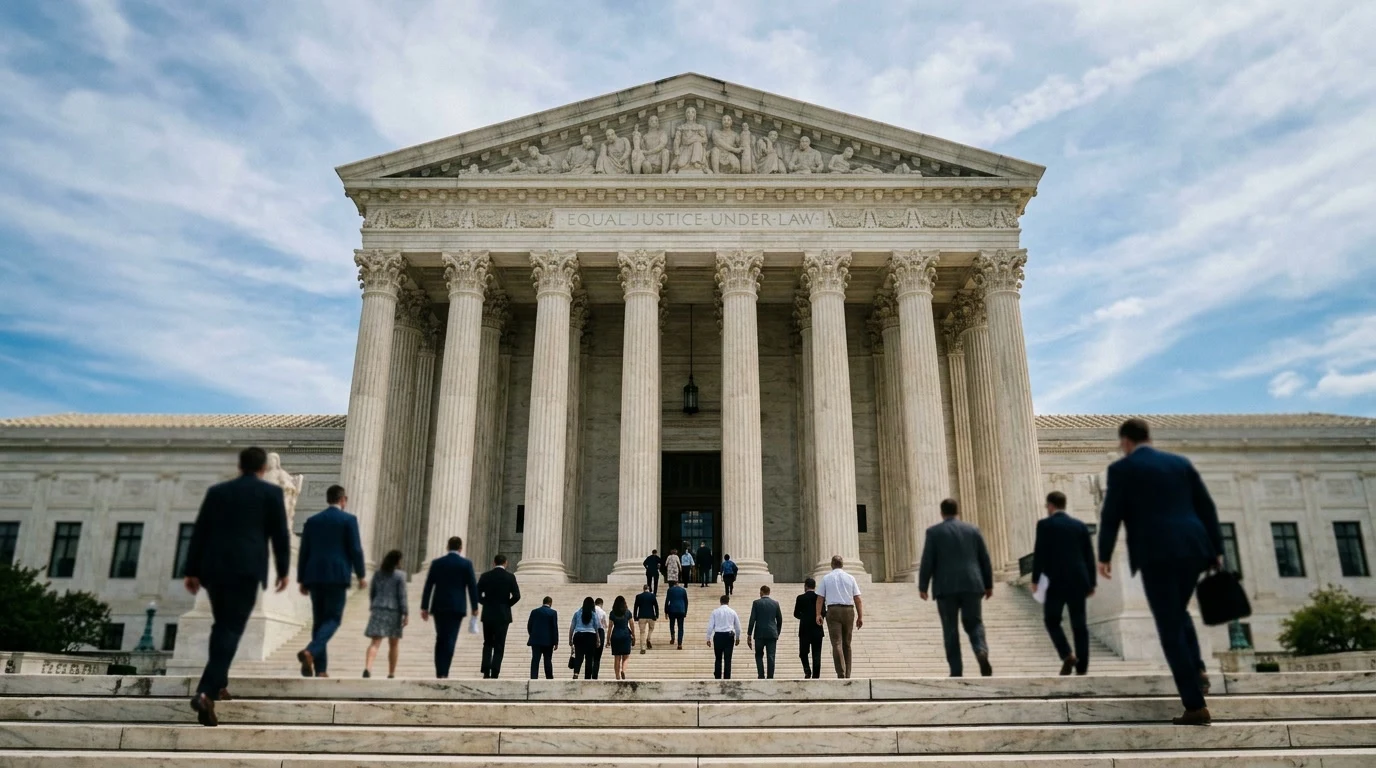
The largest customs refund process in US history is now a queue. After the Supreme Court's February 2026 ruling that the International Emergency Economic Powers Act does not authorize tariffs, and the rescission of the affected tariffs as of February 7, 2026, importers that paid duties under the invalidated authority are pursuing recovery through protests and the Court of International Trade — a pool the Penn Wharton Budget Model estimated at up to $175 billion. The Court expressly declined to rule on repayment, leaving the money's fate to litigation that will run for years.
How a refund claim works
Two doors, both familiar to trade compliance. The administrative one: protests filed with Customs and Border Protection within 180 days of liquidation of the entries at issue, contesting the duty basis now that the underlying authority is void. The judicial one: suits at the Court of International Trade challenging collections and seeking judgments that force repayment — the track where the consolidated litigation sits, per legal analyses from major trade practices including Norton Rose Fulbright's published assessment of potential refunds. Interest accrual, the treatment of entries under bond at rescission, and whether refunds flow automatically or claim-by-claim are the open questions the courts must answer.
Who is positioned to recover
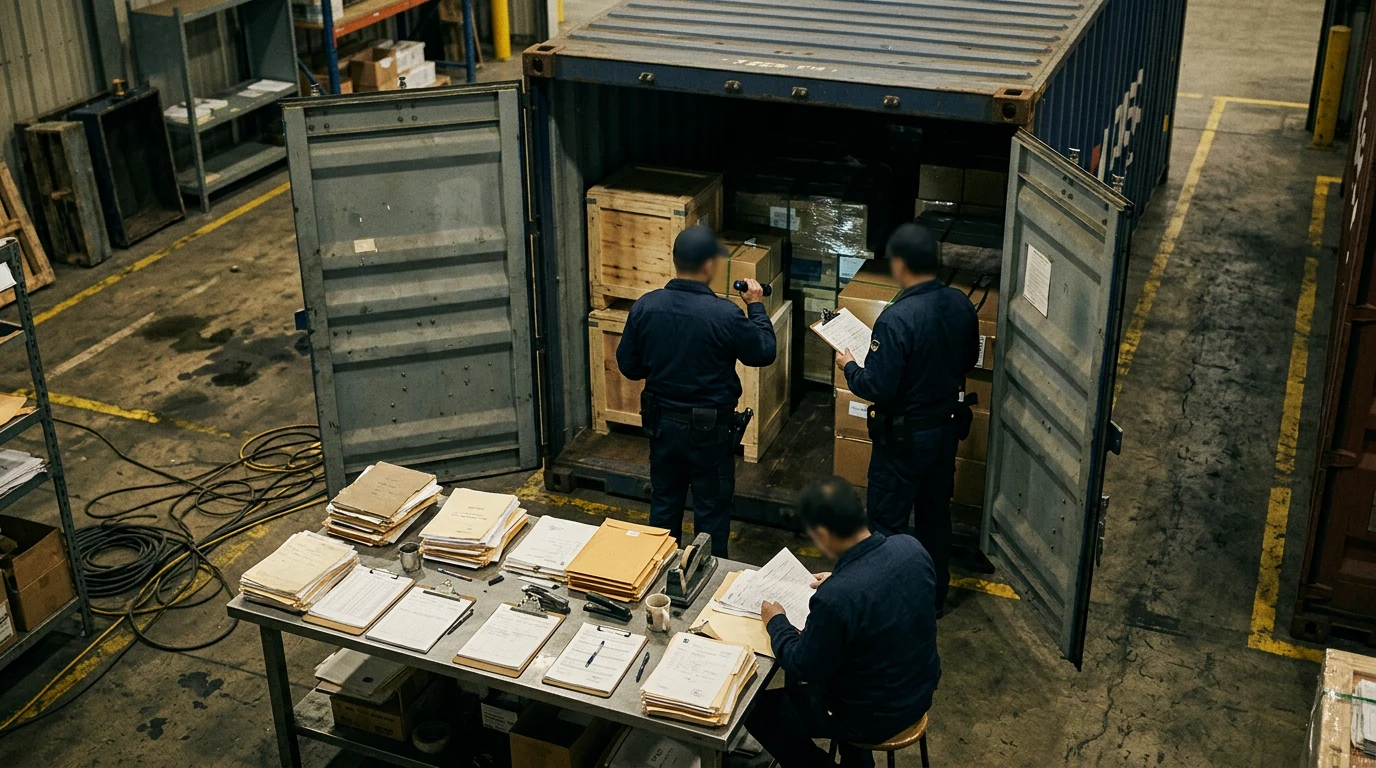
The documented. Claims ride on entries: filings, invoices, classifications, and duty-payment records tying specific liquidated entries to specific sums. Large importers with trade-compliance functions have this by default; their disclosures in the 2026 earnings season flagged refund receivables explicitly. Small importers face the discovery problem — firms that paid through brokers without retaining entry packets must reconstruct them, and for some the reconstruction cost will consume the recovery. Bond payers face their own question: duties deposited against bonds during the litigation window may never finalize, which converts to a different and cleaner remedy than refunds of cash already paid.
What is at stake for the Treasury
A fiscal reversal of unusual size. The invalidated tariffs produced much of 2025's elevated customs collections — revenue that budget planning had annualized — so refunds, if broadly ordered, claw back a line item that had grown to rival major programs, per analyses of the ruling's fiscal implications including Penn Wharton's projection that tariff revenue falls significantly without replacement. The offsetting possibilities — congressional ratification of portions of the rescinded tariffs, or offset programs that net refunds against other claims — are policy questions now in play alongside the litigation.
What importers should be doing now
Preserve and organize: entry numbers, liquidation dates, payment records for every entry under the invalidated tariffs — the claim's raw material. File timely: the 180-day protest window is unforgiving, and litigation deadlines at the trade court are procedural law, not suggestions. Coordinate with counsel on the pending class and consolidated actions rather than duplicating filings. And hold the accounting question open with auditors: recognition of refund receivables depends on probability judgments that the litigation's posture will keep moving. The firms that treated compliance records as an archive are about to be paid for it — a rare sentence in trade policy, and a deserved one.