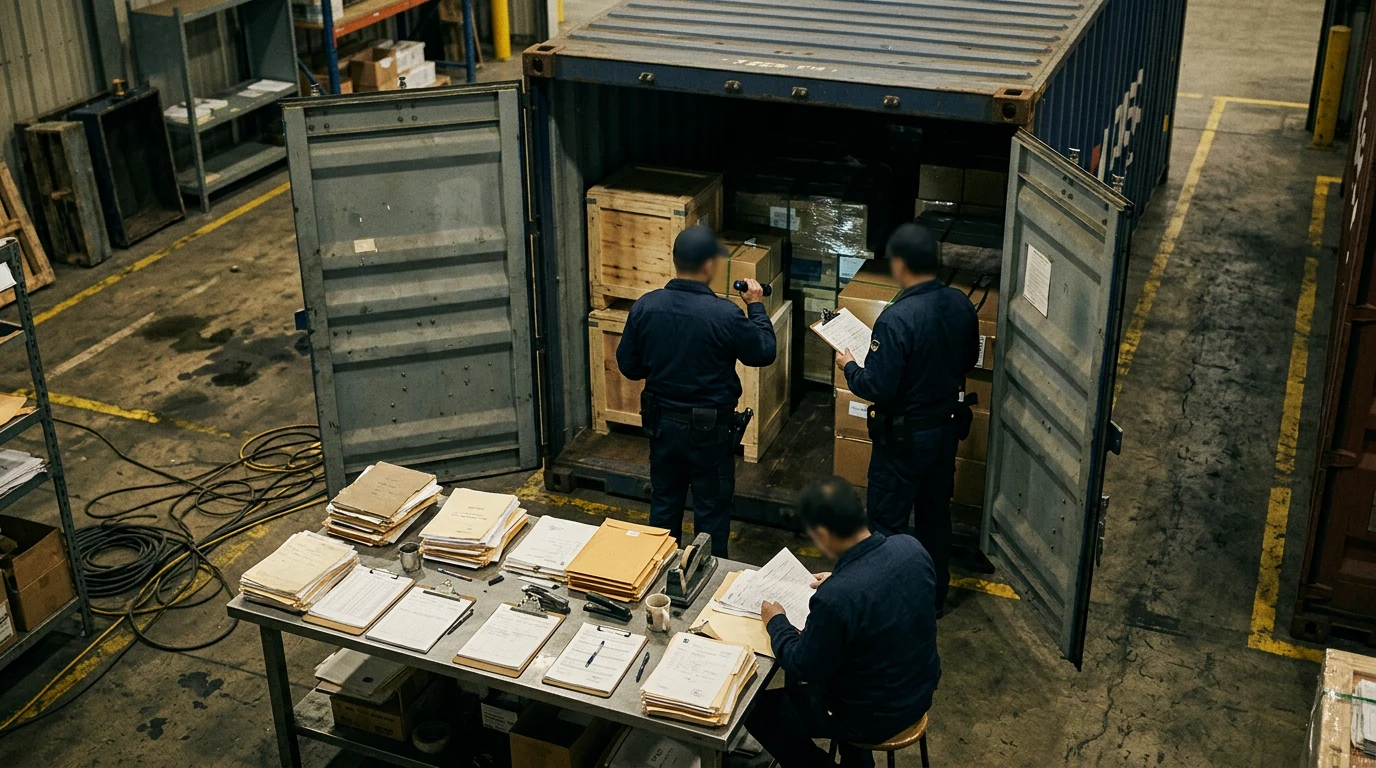
Tariffs are a regressive tax on business scale. A multinational absorbs duty on a container the way a utility absorbs fuel costs — modeled, spread, passed through over quarters. A small importer faces the identical rate with none of the buffers: thinner margins, single-supplier dependence, no customs counsel on retainer, and a working-capital line that one unexpectedly large duty bill can jam. The 2025-2026 tariff cycle landed on both, and the small-firm experience was consistently rougher.
Why scale changes the math
Four structural asymmetries. Sourcing: large firms qualify alternate suppliers across countries before rates change; small firms have one factory relationship built over years, and switching means new tooling, samples, and quality risk — costs the tariff savings rarely cover immediately. Classification: a large importer's trade-compliance team contest classifications and request exclusions; a small importer learns the Harmonized System exists when the broker's invoice arrives. Cash: duty is due at entry — 25% on a container that cost $100,000 at the border is $25,000 out of working capital before the goods sell. Pass-through: a small firm selling to giant retailers cannot reprice unilaterally; the retailer's answer to a cost-increase request is a calendar slot next quarter, if that.
What did the 2025-2026 cycle add?
Volatility on top of level. Rates changed by proclamation, then partly reversed by court — the February 2026 rescission of the IEEPA tariffs after the Supreme Court ruling invalidated the largest block, while metals tariffs were restructured in April and June and some rates cut in July. Planning around that sequence was genuinely hard at any scale, but large firms had scenario desks and duty-recovery counsel; small firms had guesses. The refund question illustrates the gap again: an estimated $175 billion in duties paid under the invalidated tariffs is subject to refund claims, per Penn Wharton projections — recoverable by firms that filed protests and kept entries; invisible to firms that did not know the process existed.
What actually works for a small importer
The playbook is unglamorous and effective. First, landed-cost discipline: price every SKU at current rates, at zero rates, and at the worst plausible rate — the three numbers that bracket every decision, from retail pricing to whether a product line survives. Second, classification hygiene: get the HS codes right and get binding rulings where the money matters; misclassification penalties arrive after the audit, not before. Third, terms of sale: negotiate Incoterms so duty responsibility is explicit, and where possible shift to terms where the supplier is importer of record. Fourth, timing: entry timing around effective dates is legal and material — front-running a deadline is what every large firm did in 2025, with the trade data to prove it. Fifth, alternatives: a second source qualified at even 20% of volume converts a shutdown risk into a cost problem.
When does it make sense to quit a product?
Run the arithmetic honestly. If duty raises landed cost beyond the price ceiling the market allows, and neither supplier concessions nor re-sourcing closes the gap, the right move is dropping the SKU — the firms that navigated 2025 without distress were the ones that cut weak products early rather than carrying them as inventory with a tax attached. The surviving pattern in small-importer surveys and trade commentary: fewer SKUs, higher turns, cleaner files. Shrinkage, but solvency.
The honest outlook
Policy will keep moving in both directions — 2026 proved rates can rise by proclamation and fall by court order. The firms that treat compliance as a function rather than an emergency will keep the advantage that function has always conferred: they see the changes coming in the Federal Register while others see them in a broker's surcharge line. Small importers cannot control the rates. They can control the files, the terms, and the timing, which is most of the battle.
News ABC publishes information, not customs or financial advice.