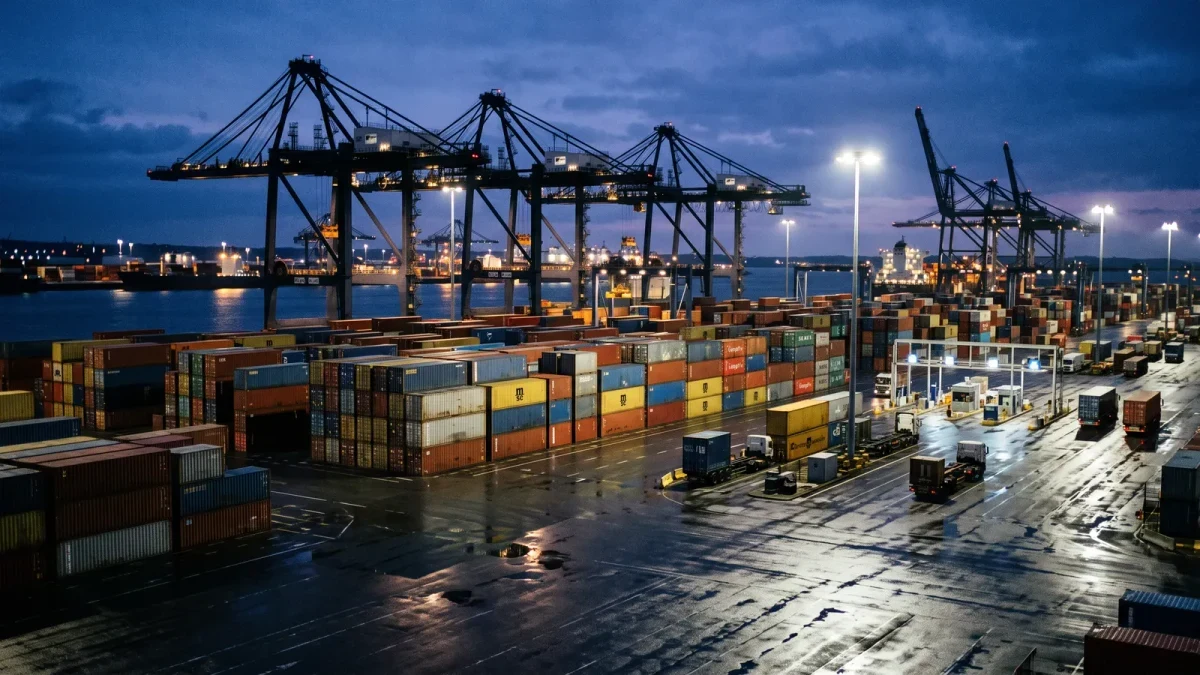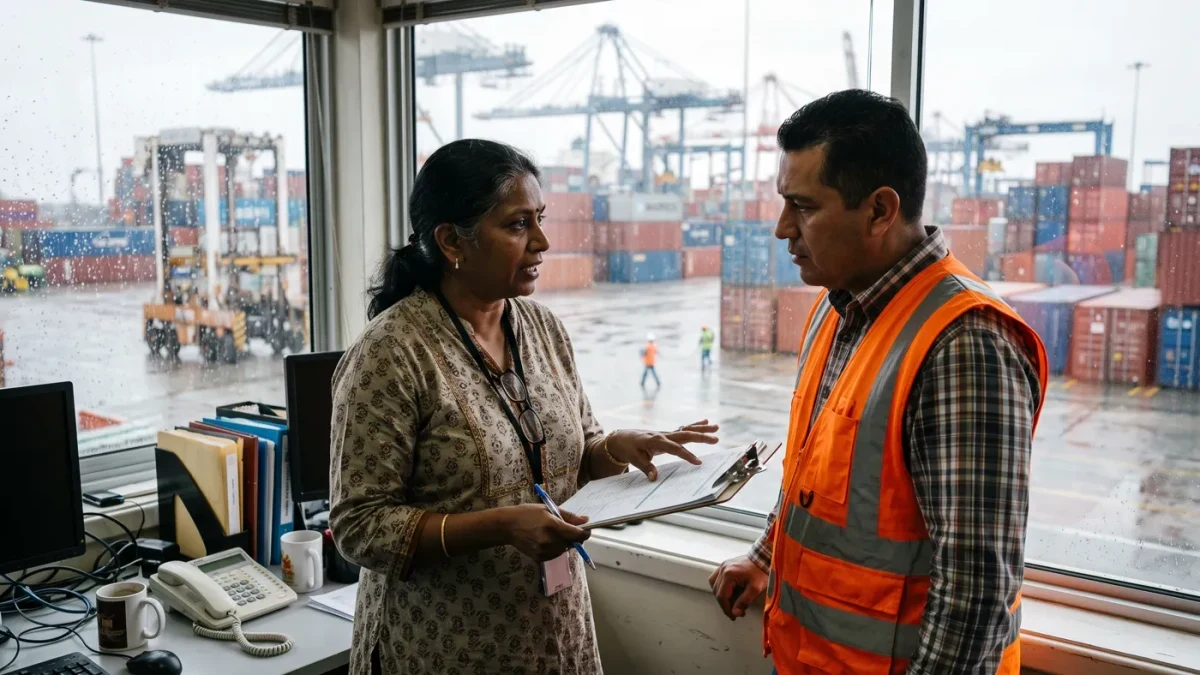
A tariff is not real until it is collected, and collection is a paperwork machine. Importers of record — or their customs brokers — file entry summaries with Customs and Border Protection, classify goods under the Harmonized System, declare values and origins, and pay duties, all against a financial guarantee called a customs bond. Small importers who improvise this process meet liquidated damages, storage bills, and penalty exposure that can exceed the value of the goods. The machinery is learnable in an afternoon; here is the tour.
What is an entry, and who files it?
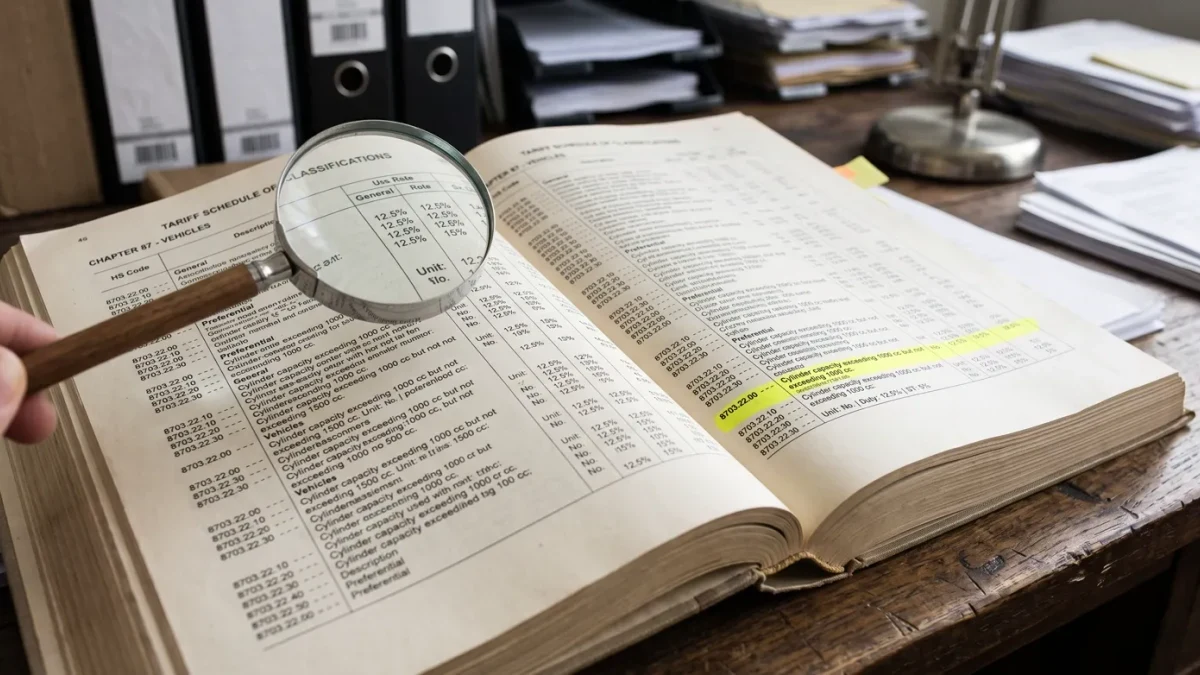
Goods arriving at a port are covered by an entry filing — the importer of record is legally responsible even when a broker does the typing. The core documents are the commercial invoice, the bill of lading or air waybill, packing lists, and origin documentation where preferential treatment is claimed. Classification under the Harmonized Tariff Schedule determines the duty rate; valuation — usually transaction value — determines the base. The entry summary, filed within a set number of working days after arrival, is where duty is computed and paid. Errors here are not technicalities: false classification or valuation can trigger penalties scaled to culpability.
What does a customs bond do?
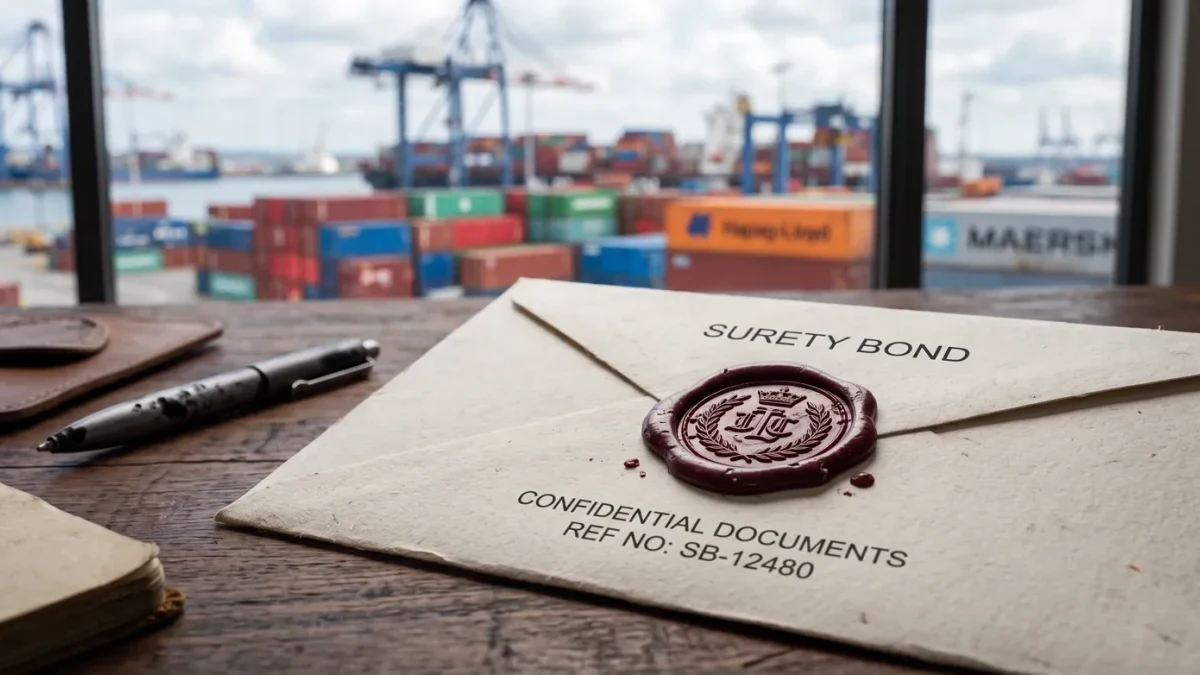
A bond is a surety guarantee that the importer will pay whatever duties, taxes, and penalties end up owed. Continuous bonds cover all entries for a year and are sized as a multiple of annual duty and taxes paid — importers whose duty burden jumped with the 2025-2026 tariff escalations discovered that bond sufficiency reviews raised their required amounts, sometimes mid-year. Single-entry bonds cover one shipment and cost more per entry. The consequence of an insufficient bond lands at the worst moment: the surety pays and pursues the importer, or CBP demands cash deposits at entry, straining cash flow.
How did the recent tariff turbulence hit this machinery?
Hard, in three specific ways. First, duty spikes: rates that jumped meant importers' periodic monthly statements — the consolidated duty-payment bills — grew multiples in size, and bonds sized for the old world became insufficient. Second, volatility: the February 2026 rescission of IEEPA tariffs after the Supreme Court ruling forced re-computation of entries, refund claims for duties paid under the invalidated authority, and classification re-checks as goods shifted between tariff regimes — with an estimated $175 billion in potential refunds pending, per Penn Wharton Budget Model projections. Third, scope churn: the product-annex structure of the 2026 metals framework means two similar parts can carry different rates, so line-level classification accuracy became money.
What is the refund and protest process?
If an importer overpays, the correction routes are fixed: post-summary corrections for errors under the importer's control, and formal protests filed within 180 days of liquidation when challenging CBP's position. The IEEPA rescission is the live example — importers that paid duties under the invalidated tariffs are pursuing refunds through these channels and court actions, and the size of the queue is why the refund question reached the Supreme Court's docket unaddressed in the main ruling. The lesson generalizes: keep entries, invoices, and classifications retrievable for five years, because money you cannot document is money you cannot recover.
What habits keep a small importer safe?
Use a licensed customs broker and read what they file. Get binding rulings from CBP on classifications that matter — a ruling letter is protection no blog post offers. Recheck bond size after any rate change, in both directions. Reconcile duty payments against the monthly statement the way you reconcile a bank account. And treat origin documentation as a compliance artifact, not shipping paper: under both tariff regimes and forced-labor enforcement, the burden of proof sits with the importer, and the proof is the file.
News ABC publishes information, not customs or legal advice.