Automation's business case is arithmetic, and the arithmetic moved. For two decades, industrial robots paid back in the developed world only where volumes were massive and labor cheap to displace was scarce. What changed in the 2020s: labor costs rose and stayed scarce in manufacturing trades; tariff regimes raised the cost of the offshore labor arbitrage; and the equipment itself — robots, machine vision, integration — fell in effective cost as capability rose. The result is a widening set of US applications where the automation payback clears the hurdle rate honestly, without subsidy.
What does the math actually look like?
A work cell's economics run on four inputs: equipment and integration capex, the labor it replaces or redeployments, the output gain, and the utilization. The classic failure was utilization: a robot priced for three-shift automotive volume amortized over one-shift job-shop production never pays back. The classic success inverted it — automation economics shine precisely where utilization is high, which is why the payback question and the demand question are the same question. A useful rule from integrators: the cell must run at least two shifts to justify itself in most applications; the second shift is where the payback lives. Where demand supports it, paybacks of two to four years are typical at current equipment prices and trade wages; where it does not, no automation vendor's demo changes the answer.
What did tariffs change?
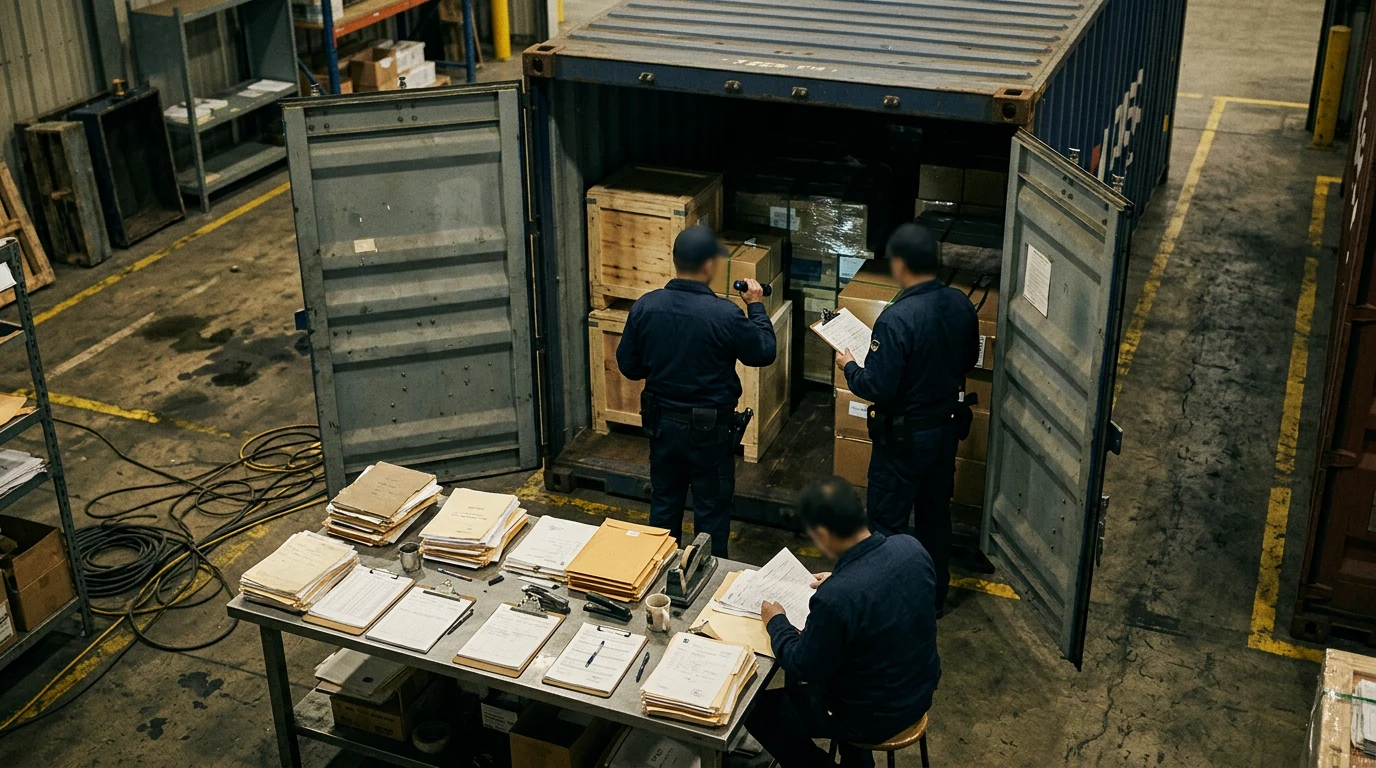
The comparison, not the robot. Automation competes against offshore labor in most make-versus-move decisions; tariffs raised the offshore option's landed cost, narrowing the gap domestic automation must close. They also raised the robot's cost — industrial robots and components are import-exposed, and the 2025-2026 tariff escalations touched machinery imports before the 2026 restructuring differentiated rates. Both legs moved, and the net effect varied by application: for high-volume reshored production, tariffs pushed decisively toward automation; for marginal-volume applications, they sometimes killed the project either way — a plant that cannot clear the automation hurdle also cannot clear the tariffed-labor hurdle, and closes instead.
Where are the paybacks real today?
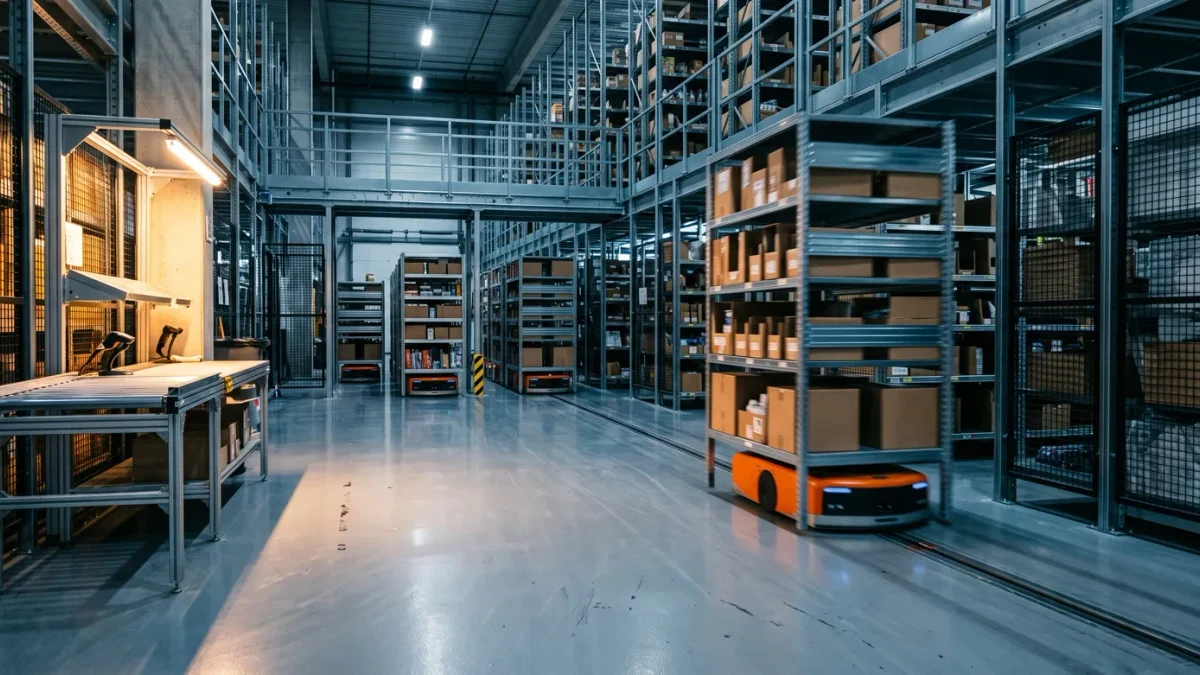
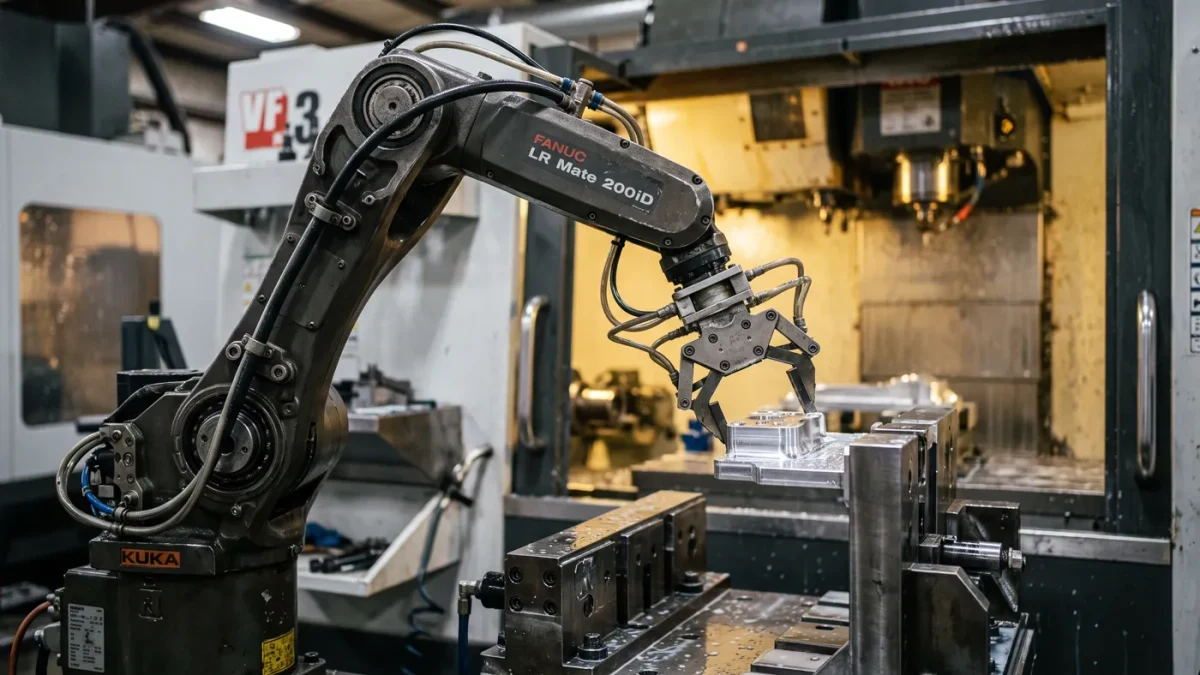
Pattern from deployment data and integrator practice: palletizing and packaging — the entry application with the shortest learning curve; machine tending — replacing the wait at a CNC's door and raising spindle utilization, which is capacity creation, not labor replacement; inspection — vision systems catching what escapes human attention at line speed; and welding — the trades-scarce discipline where scarcity itself prices the case. The warehouse ran ahead of the factory: e-commerce scaling made automated storage and retrieval standard economics. The frontier applications — lights-out machining, autonomous mobile fleets — pay back only where volume and utilization already justify them.
What do buyers get wrong?
Three recurring errors. Buying the robot instead of the process: automation amplifies a bad process at machine speed — the cell must be engineered, not just purchased, and integration routinely rivals equipment cost. Underestimating the skills line: automated cells need technicians who can maintain them, and the wage premium for that skill is a real operating cost that naive comparisons omit. And ignoring flexibility: a cell tuned to one product loses its economics when the product changes — the hidden reason mid-volume manufacturers stay manual longer than the vendor slides suggest. The successful buyers engineered around constraints they catalogued before signing; the unsuccessful ones discovered them at commissioning.
The honest decision rule
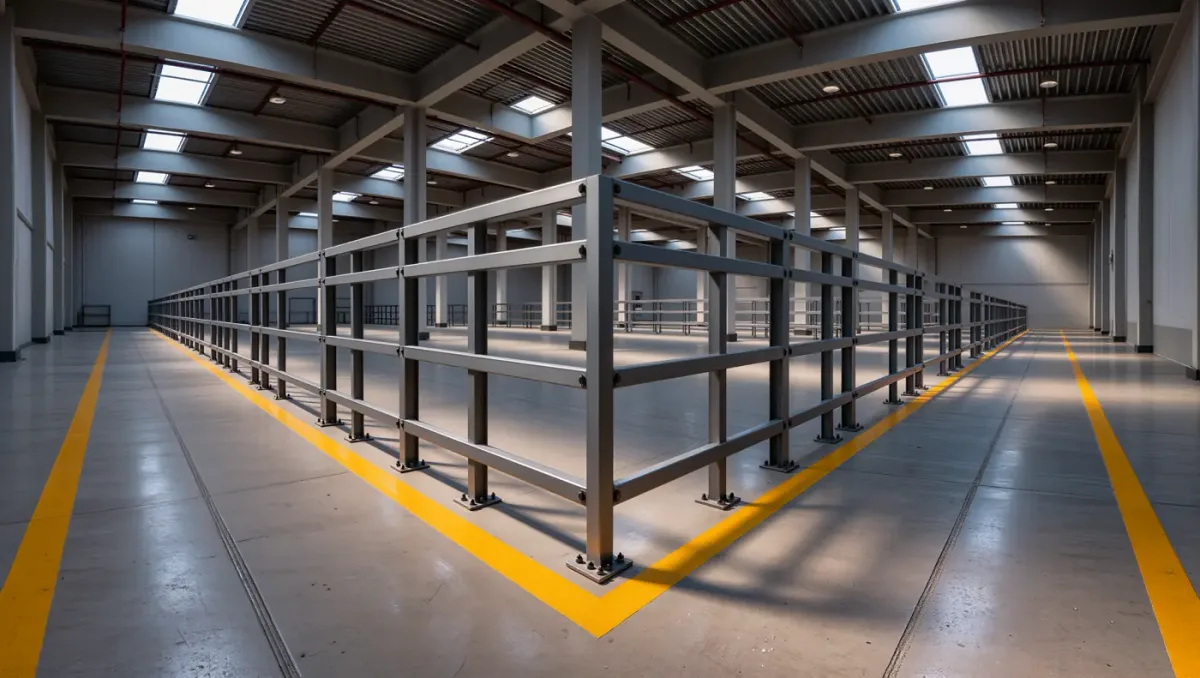
Automate where utilization is high and demand is durable; stay manual where variety is high and volume is not; and in the middle zone, price both options at current tariff rates and at zero — the February 2026 rescission proved rates move in both directions, and a payback that only clears at current duty levels is a policy bet wearing a capital budget's clothes. The firms that treat automation as process engineering with a financial discipline attached get the second shift. The ones that treat it as a purchase get a very expensive fence ornament.